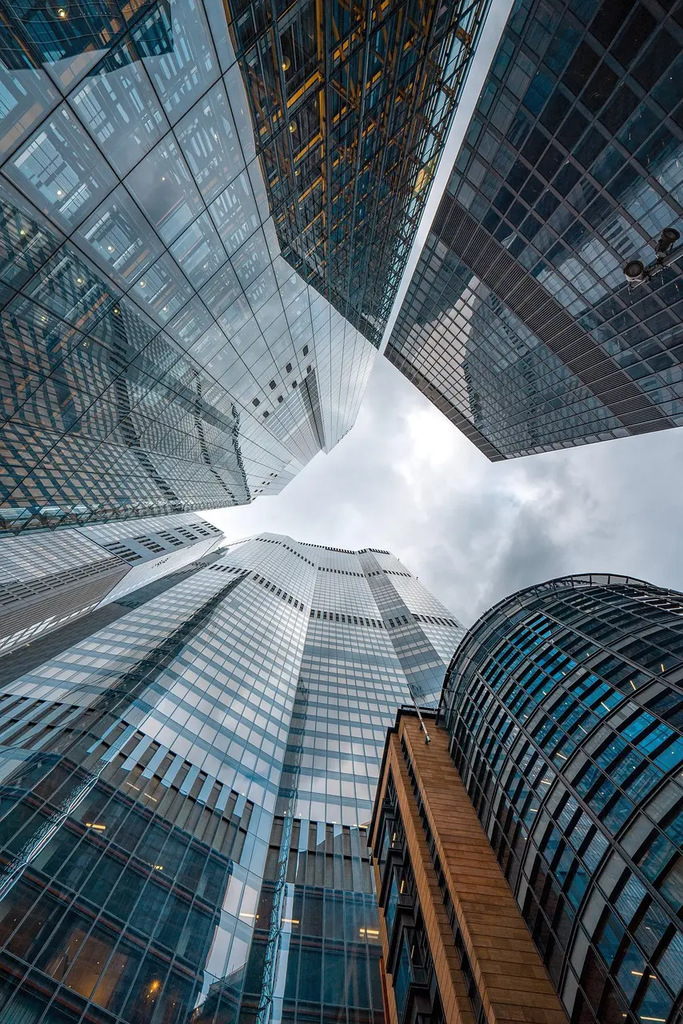
Balance, rhythm, and negative space are essential visual arts and design skills. Balance refers to the distribution of visual weight, creating a sense of stability in a composition. Rhythm involves the repetition or alternation of elements, guiding the viewer’s eye and creating movement. Negative space is the area around and between objects, providing breathing room and emphasizing focal points. Together, these principles enhance visual harmony, interest, and clarity in artwork or design.
Balance, Rhythm & Negative Space
Balance, rhythm, and negative space are essential visual arts and design skills. Balance refers to the distribution of visual weight, creating a sense of stability in a composition. Rhythm involves the repetition or alternation of elements, guiding the viewer’s eye and creating movement. Negative space is the area around and between objects, providing breathing room and emphasizing focal points. Together, these principles enhance visual harmony, interest, and clarity in artwork or design.
💡 Key Takeaways
- Define balance and how symmetry or asymmetry creates visual harmony.
- Identify rhythm in layouts through repetition, progression, and spacing to guide the eye.
- Explain negative space and why empty areas improve readability and focus.
- Apply balance, rhythm, and negative space to real-world designs like posters, websites, and logos.
❓ Frequently Asked Questions
What does balance mean in design, and what are common types?
Balance is the even distribution of visual weight to create stability. Common types are symmetrical (formal), asymmetrical (informal), and radial (elements radiate from a center).
What is rhythm in design, and how is it achieved?
Rhythm is the pattern and movement that guide the viewer’s eye. Achieve it with repeating elements, consistent spacing, alternating sizes or colors, or progressing scale.
What is negative space, and why is it important?
Negative space is the space around and between subjects. It defines shapes, improves readability, and can highlight the focal point or create additional meaning.
How do balance, rhythm, and negative space work together in a layout?
Balance provides stability, rhythm directs visual flow, and negative space offers breathing room; together they create harmony and prevent clutter.
What is the difference between positive and negative space?
Positive space is the visible subject or filled areas; negative space is the surrounding or empty areas. Both define shapes and influence composition.