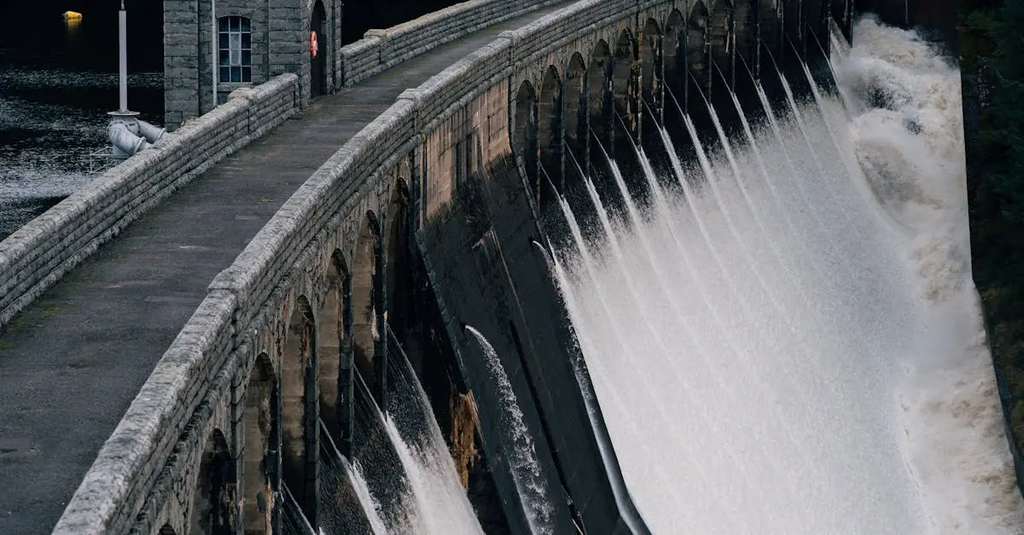
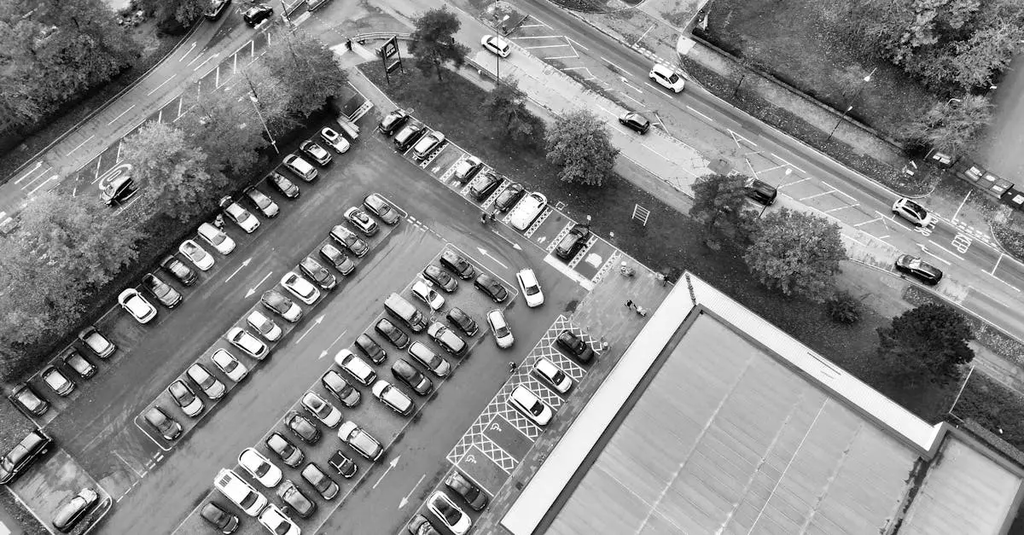
Balancing heritage, development, and sustainability in the UK involves preserving historic sites and cultural traditions while accommodating modern growth and infrastructure needs. It requires thoughtful planning to protect the nation’s rich legacy, support economic progress, and promote environmental responsibility. Striking this balance ensures that future generations can enjoy the UK’s unique identity, benefit from innovation, and live in harmony with nature, fostering a resilient and vibrant society.
Balancing heritage, development, and sustainability in the UK
Balancing heritage, development, and sustainability in the UK involves preserving historic sites and cultural traditions while accommodating modern growth and infrastructure needs. It requires thoughtful planning to protect the nation’s rich legacy, support economic progress, and promote environmental responsibility. Striking this balance ensures that future generations can enjoy the UK’s unique identity, benefit from innovation, and live in harmony with nature, fostering a resilient and vibrant society.
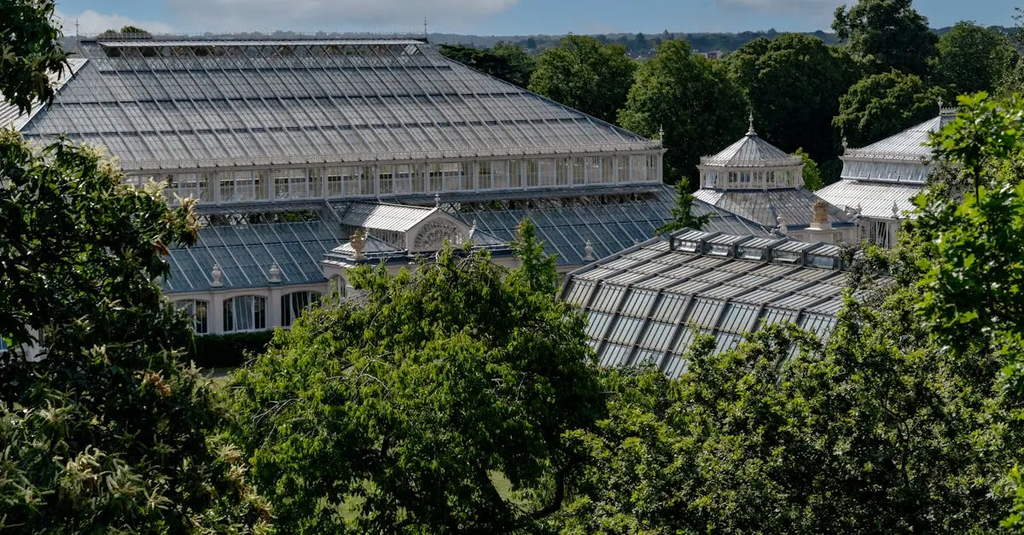
💡 Key Takeaways
- Understand how UK planning policies balance heritage preservation with new development.
- Learn how conservation areas and listed buildings protect historic sites in the UK.
- Explore how sustainable development guides economic growth, social needs, and environmental protection in UK contexts.
- Compare heritage and development approaches across England, Scotland, Wales, and Northern Ireland.
❓ Frequently Asked Questions
What does balancing heritage, development, and sustainability mean in the UK?
It means protecting historic sites and cultural traditions while enabling modern growth in an environmentally responsible way that supports economic progress.
What planning tools help protect the UK’s heritage during development?
Heritage designations (e.g., Scheduled Monuments, listed buildings, Conservation Areas), the National Planning Policy Framework (NPPF), and environmental impact assessments guide decisions to balance preservation with growth.
How can new UK developments be made more sustainable?
By prioritizing brownfield sites, reticently retrofitting historic buildings, improving energy efficiency, promoting sustainable transport, and reducing construction waste.
How are conflicts between heritage and development resolved in the UK?
Through planning processes with public consultation, mitigation measures (e.g., preserving facades or archaeological work), and finding compromises that protect heritage while meeting housing and infrastructure needs.