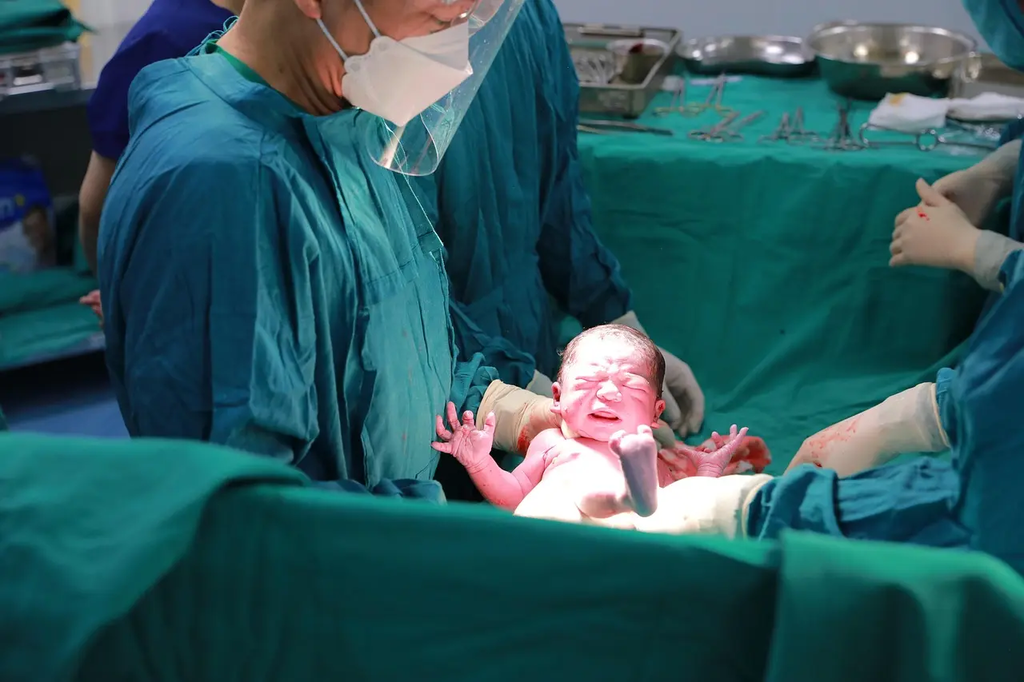
Balancing nutrition, hydration, and physical activity is essential for healing after pregnancy. Proper nutrition provides vital nutrients for tissue repair and energy, while adequate hydration supports milk production and overall recovery. Gentle physical activity, as recommended by healthcare professionals, helps restore muscle strength, boosts mood, and enhances circulation. Together, these elements promote faster healing, support the immune system, and contribute to overall well-being during the postpartum period.
Balancing nutrition, hydration, and physical activity for healing+50
Balancing nutrition, hydration, and physical activity is essential for healing after pregnancy. Proper nutrition provides vital nutrients for tissue repair and energy, while adequate hydration supports milk production and overall recovery. Gentle physical activity, as recommended by healthcare professionals, helps restore muscle strength, boosts mood, and enhances circulation. Together, these elements promote faster healing, support the immune system, and contribute to overall well-being during the postpartum period.
💡 Key Takeaways
- Understand how balanced nutrition supports healing by providing energy and essential nutrients for tissue repair.
- Learn how proper hydration contributes to energy, circulation, and recovery, and how to recognize dehydration signals.
- Discover how to incorporate safe, gradual physical activity to support healing without overexertion.
- Know practical tips to balance meals, fluids, and activity around recovery goals and when to seek professional guidance.
❓ Frequently Asked Questions
Why is balancing nutrition, hydration, and physical activity important for healing?
They provide nutrients and energy for tissue repair, support immune function, keep you hydrated for nutrient transport, and gentle movement improves circulation and recovery.
How can I estimate my daily fluid intake to support healing?
Drink regularly, heed thirst, and aim for light-colored urine as a guide. A common baseline is about 2 liters (8 cups) per day, but needs vary with heat, illness, and activity.
Which foods support healing and recovery?
Include lean protein for tissue repair, plenty of fruits and vegetables for vitamins/minerals, whole grains for energy, and healthy fats. Eat balanced meals and stay hydrated.
How should I approach physical activity during healing?
Choose gentle, low-impact movements (like walking or light stretching) as tolerated; avoid intense workouts or pain; increase activity gradually with guidance if needed.
When should I seek medical advice during healing?
If pain worsens, you have fever, swelling, redness, signs of dehydration, or can't keep fluids down, consult a clinician.