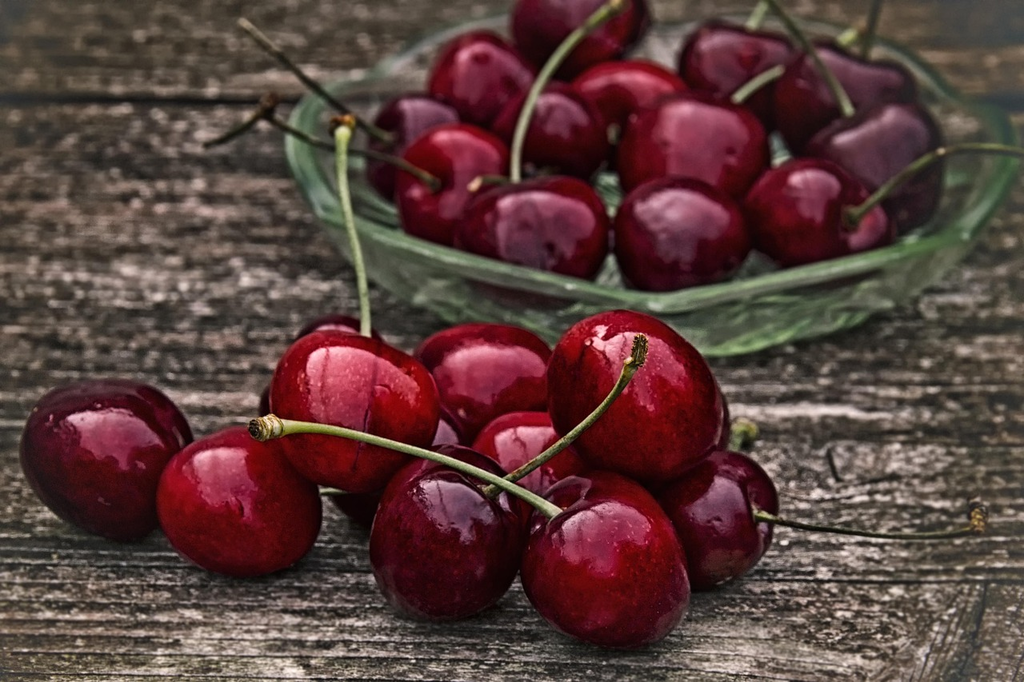
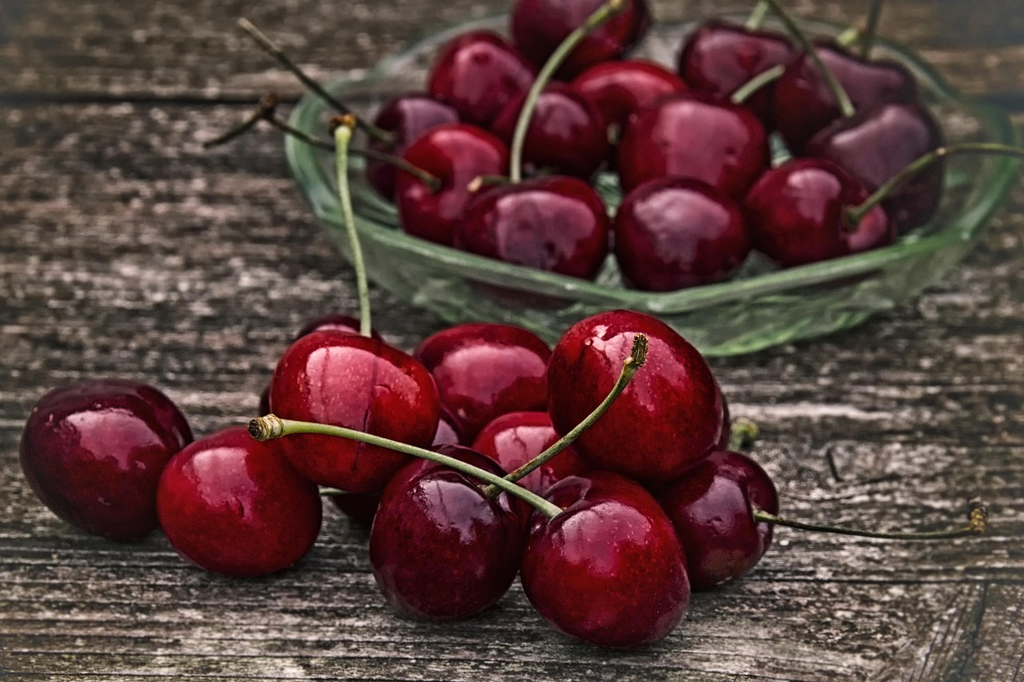
Cherries are small, round fruits with smooth, glossy skin that ranges in color from bright red to deep purple. They have a juicy, sweet-tart flavor and contain a single hard pit inside. Cherries are rich in vitamins, antioxidants, and dietary fiber. Their flesh is tender and succulent, making them popular for fresh consumption, desserts, and juices. Compared to oranges, cherries are smaller and less acidic but equally refreshing.
Basic Characteristics of Cherries+50
Cherries are small, round fruits with smooth, glossy skin that ranges in color from bright red to deep purple. They have a juicy, sweet-tart flavor and contain a single hard pit inside. Cherries are rich in vitamins, antioxidants, and dietary fiber. Their flesh is tender and succulent, making them popular for fresh consumption, desserts, and juices. Compared to oranges, cherries are smaller and less acidic but equally refreshing.
💡 Key Takeaways
- Distinguish between sweet cherries and sour cherries and their common culinary uses.
- Describe basic physical characteristics of cherries, including size, skin color from red to dark purple, and a single hard pit.
- Explain the flavor differences between sweet and tart cherries and how ripeness affects taste.
- Identify basic handling tips, such as washing, pitting when required, and that the pit is not edible.
- Understand when cherries are in season and the general seasonal window for harvest.
❓ Frequently Asked Questions
What are the two main types of cherries?
Sweet cherries (Prunus avium) are larger and eaten fresh; tart (sour) cherries (Prunus cerasus) are smaller, more acidic, and often used in baking or processing.
What part of the cherry is eaten and what about the pit?
You eat the fleshy fruit around the pit. The hard inner seed is the pit and should not be eaten, as crushed seeds can release harmful compounds.
How can you tell a cherry is ripe?
Ripe cherries have a deep, uniform color, smooth, glossy skin, and firm flesh that yields slightly to gentle pressure with the stem attached.
What are some nutritional notes about cherries?
Cherries provide fiber, potassium, and vitamin C, plus antioxidants like anthocyanins. Tart cherries may have higher melatonin content, which some people associate with sleep support.