Basic circuit elements—resistor (R), inductor (L), and capacitor (C)—are fundamental components in electrical circuits, especially in telecommunications, signal processing, and power systems. Resistors limit current, inductors store energy in magnetic fields, and capacitors store energy in electric fields. Together, they shape signal behavior, filter frequencies, and manage power flow, forming the foundation for more complex circuits in electronic and communication applications.
Basic Circuit Elements (RLC)+50
Basic circuit elements—resistor (R), inductor (L), and capacitor (C)—are fundamental components in electrical circuits, especially in telecommunications, signal processing, and power systems. Resistors limit current, inductors store energy in magnetic fields, and capacitors store energy in electric fields. Together, they shape signal behavior, filter frequencies, and manage power flow, forming the foundation for more complex circuits in electronic and communication applications.
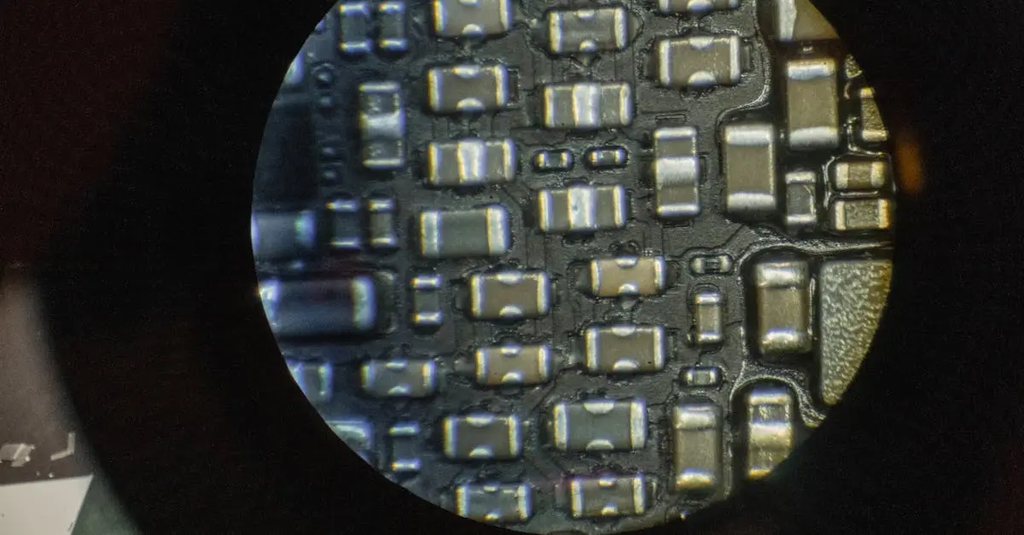
💡 Key Takeaways
- Identify the roles and I–V relationships of resistors, inductors, and capacitors in basic circuits.
- Explain frequency-dependent impedance and how L and C affect circuit behavior in series and parallel configurations.
- Describe series and parallel resonance in RLC circuits and what happens to impedance and current at resonance.
- Practice basic calculations for RC, RL, and RLC networks, including total impedance, currents, voltages, and energy storage in L (magnetic) and C (electric).
❓ Frequently Asked Questions
What is a resistor and what is its main purpose in circuits?
A resistor limits current and drops voltage. It follows Ohm's law: V = IR, with units of ohms (Ω).
What is an inductor and how does it behave in DC vs AC?
An inductor stores energy in a magnetic field and resists changes in current. In AC, its impedance is jωL and increases with frequency.
What is a capacitor and how does it behave in DC vs AC?
A capacitor stores energy in an electric field and resists changes in voltage. In AC, its impedance is 1/(jωC) and decreases with frequency.
What is the impedance of a series RLC circuit at frequency ω?
For a series RLC, Z = R + j(ωL − 1/(ωC)).