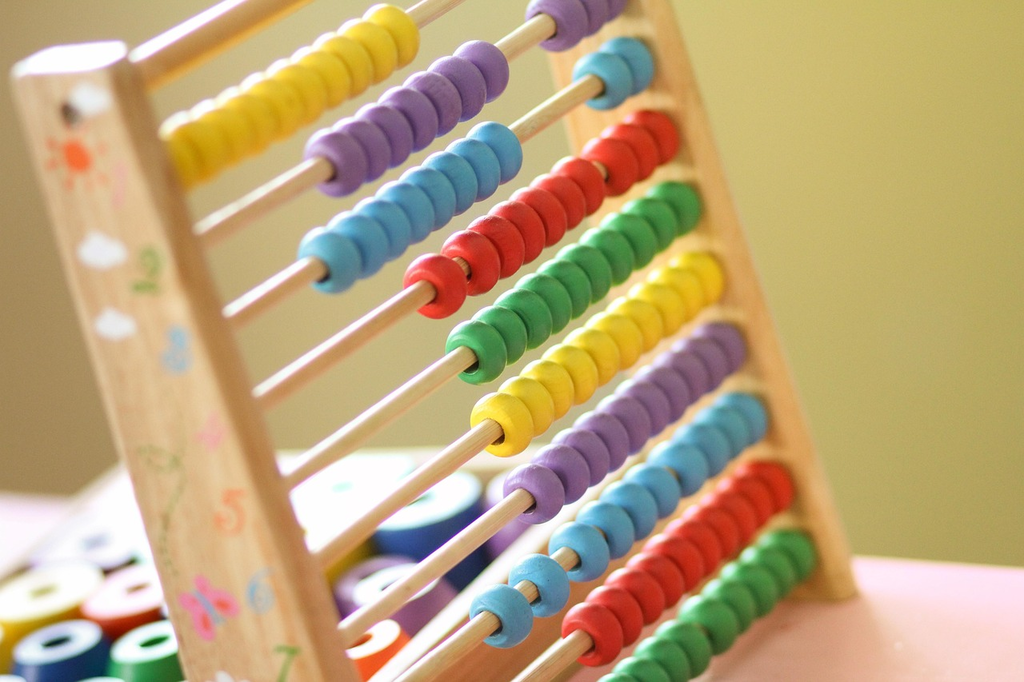
"Basic Colors and Shapes (Fun & Trivia)" refers to engaging activities or games designed to help individuals, especially young children, recognize and learn primary colors and simple geometric shapes. Through interactive quizzes, playful challenges, and interesting facts, participants can enhance their understanding of colors like red, blue, and yellow, as well as shapes such as circles, squares, and triangles. These activities make learning foundational concepts enjoyable and memorable.
Basic Colors and Shapes+50
"Basic Colors and Shapes (Fun & Trivia)" refers to engaging activities or games designed to help individuals, especially young children, recognize and learn primary colors and simple geometric shapes. Through interactive quizzes, playful challenges, and interesting facts, participants can enhance their understanding of colors like red, blue, and yellow, as well as shapes such as circles, squares, and triangles. These activities make learning foundational concepts enjoyable and memorable.
💡 Key Takeaways
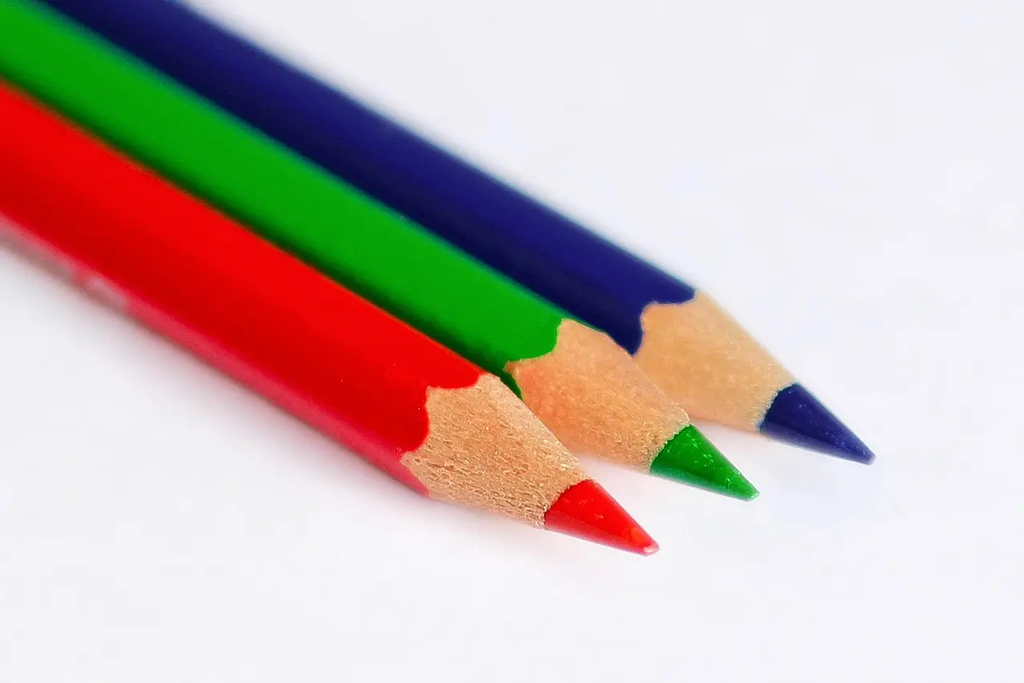
- Identify basic colors (red, blue, yellow, green) and name them confidently.
- Recognize common shapes—circle, square, triangle, and rectangle—by their number of sides and corners.
- Understand basic color relationships, including primary colors and how mixing can produce secondary colors.
- Sort or group objects by color and shape to practice quick identification.
❓ Frequently Asked Questions
What are the primary colors in painting and why are they important?
Primary colors in painting are red, blue, and yellow; they can’t be created by mixing other colors, and mixing them produces a wide range of hues.
How can you tell the difference between a circle, a square, and a triangle?
A circle has no corners and a continuous curve; a square has four equal sides and four right angles; a triangle has three sides and three corners.
What is a color wheel and how is it used in basic color learning?
A color wheel is a circular diagram of colors arranged by hue; it helps you choose harmonious combinations, like complementary or analogous colors.
What is the difference between warm and cool colors, and when should you use them?
Warm colors (red, orange, yellow) feel energetic and grab attention; cool colors (blue, green, purple) feel calm and recede. Use warm colors for emphasis and cool colors for backgrounds or calm scenes.