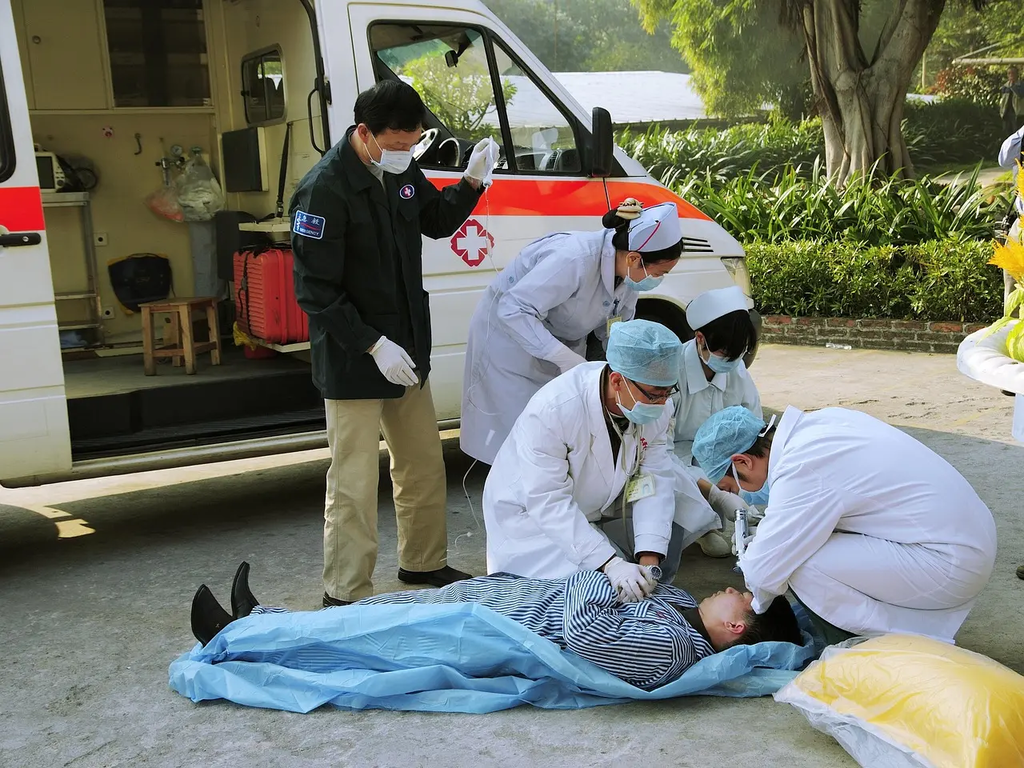
Basic First Aid (Healing) refers to the immediate care given to someone who is injured or suddenly ill before professional medical help arrives. It includes simple techniques such as cleaning wounds, applying bandages, stopping bleeding, treating burns, and managing minor injuries. The primary goal is to stabilize the person, prevent the condition from worsening, and promote recovery. Basic First Aid knowledge empowers individuals to respond effectively in emergencies and potentially save lives.
Basic First Aid+15
Basic First Aid (Healing) refers to the immediate care given to someone who is injured or suddenly ill before professional medical help arrives. It includes simple techniques such as cleaning wounds, applying bandages, stopping bleeding, treating burns, and managing minor injuries. The primary goal is to stabilize the person, prevent the condition from worsening, and promote recovery. Basic First Aid knowledge empowers individuals to respond effectively in emergencies and potentially save lives.
💡 Key Takeaways
- Assess scene safety and identify emergencies before providing aid.
- Check for responsiveness and breathing, and call emergency services when needed.
- Control bleeding and provide basic wound care to prevent infection.
- Understand basic life support concepts, including CPR and AED readiness if trained.
- Know when to seek professional medical help and how to stay with the person while waiting.
❓ Frequently Asked Questions
What is basic first aid?
Immediate, temporary care given to a sick or injured person until professional help arrives, aiming to preserve life, prevent further harm, and promote recovery.
What is the first step in a quick safety check for a scene and a person?
Ensure the scene is safe, check if the person is responsive, call for help if needed, and assess breathing or life‑threatening conditions.
How do you control bleeding?
Apply direct pressure with a clean cloth or gauze, keep applying pressure until bleeding slows, add more dressings if needed without removing the first, and seek emergency help for heavy or spurting bleeding.
How should you treat minor burns and sprains?
For minor burns: cool under running water for about 10 minutes and cover with a sterile bandage. For sprains: rest, apply ice, compress lightly, and elevate the injured limb (RICE).
What should you do if someone is choking and cannot breathe?
If they can cough or speak, encourage coughing. If they cannot breathe, call for help and perform age-appropriate choking relief (back blows for adults/teens, and abdominal thrusts if trained) until air is restored or help arrives.