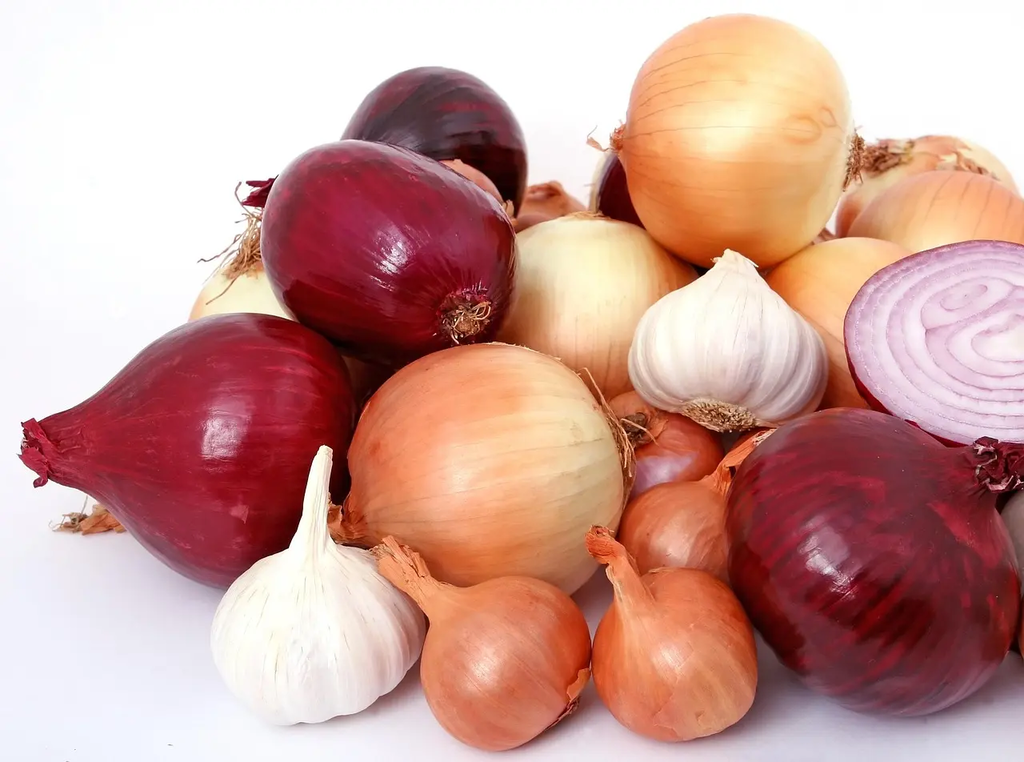
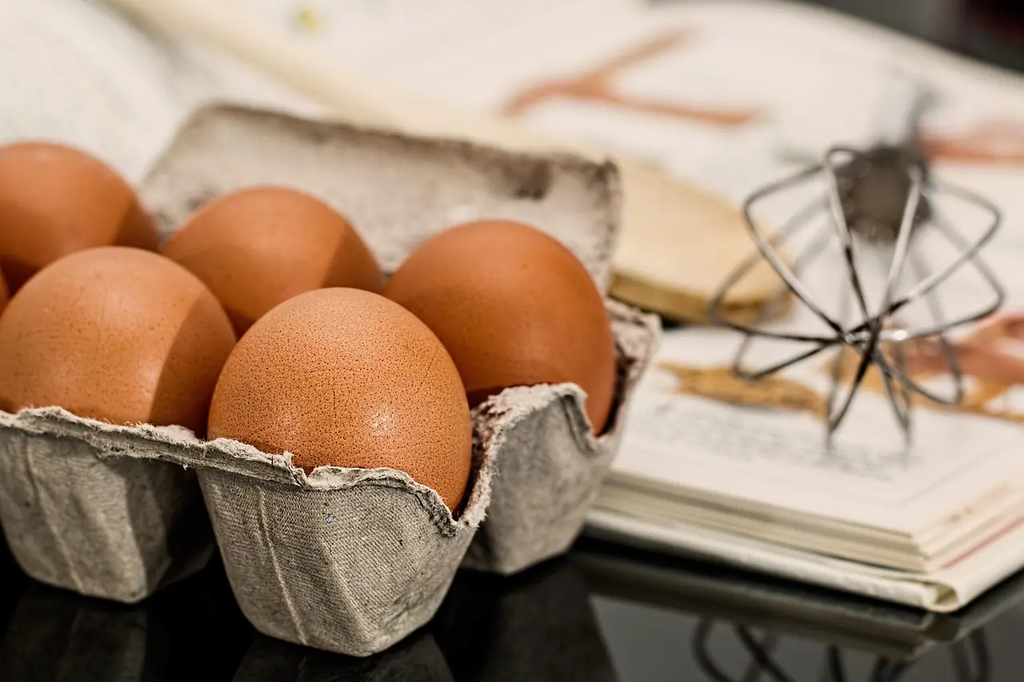
Basic flavor profiles refer to the fundamental tastes—sweet, salty, sour, bitter, and umami—that form the foundation of all culinary experiences. In global cuisines, these profiles are combined and balanced uniquely, reflecting cultural preferences and available ingredients. For example, Asian dishes often highlight umami and sour notes, while Latin American foods may emphasize spicy and tangy flavors. Understanding these profiles helps create harmonious and authentic dishes across different world cuisines.
Basic Flavor Profiles+50
Basic flavor profiles refer to the fundamental tastes—sweet, salty, sour, bitter, and umami—that form the foundation of all culinary experiences. In global cuisines, these profiles are combined and balanced uniquely, reflecting cultural preferences and available ingredients. For example, Asian dishes often highlight umami and sour notes, while Latin American foods may emphasize spicy and tangy flavors. Understanding these profiles helps create harmonious and authentic dishes across different world cuisines.
💡 Key Takeaways
- Identify the five basic flavor profiles (sweet, sour, salty, bitter, umami) and what each adds to a dish.
- Understand how common ingredients map to each flavor profile in everyday cooking.
- Learn simple techniques to balance flavors (adding acidity, salt, sweetness, or fat) without overpowering the dish.
- Practice recognizing flavor profiles in foods to improve seasoning and pairing decisions.
❓ Frequently Asked Questions
What are the basic flavor profiles?
The core tastes are sweet, sour, salty, bitter, and umami. These basic profiles form the foundation of most flavor combinations.
What is umami and where is it found?
Umami is the savory taste linked to amino acids like glutamate. It appears in meat, cheese, mushrooms, soy products, tomatoes, and many fermented foods.
How can cooking change flavor profiles?
Cooking methods like caramelization and the Maillard reaction enhance sweetness and umami. Additions of acids, salts, and fats also shift flavor perception.
How do I identify and balance flavors in a dish?
Taste as you go, identify the dominant profiles, and adjust with salt, sugar or acid to achieve balance and harmony among flavors.