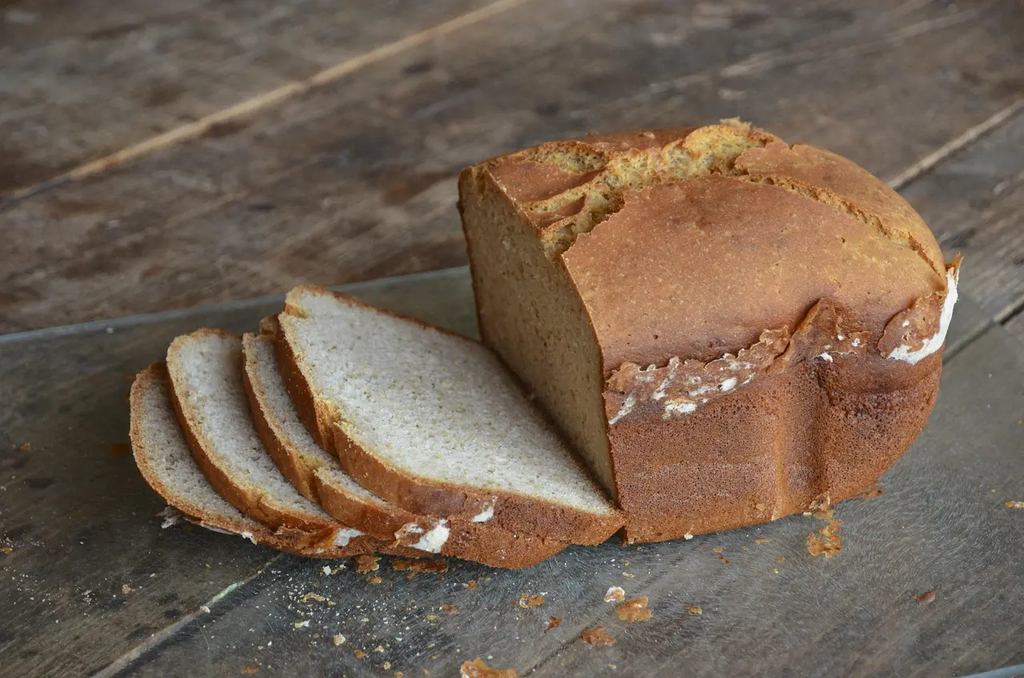
Basic food groups refer to categories of foods that provide essential nutrients needed for good health. Traditionally, these groups include fruits, vegetables, grains, proteins (such as meat, beans, and nuts), and dairy products. Each group supplies different vitamins, minerals, and energy sources. Understanding basic food groups helps people make balanced dietary choices, ensuring a variety of nutrients in daily meals. This knowledge is often used in food and snacks trivia to promote healthy eating habits.
Basic Food Groups+50
Basic food groups refer to categories of foods that provide essential nutrients needed for good health. Traditionally, these groups include fruits, vegetables, grains, proteins (such as meat, beans, and nuts), and dairy products. Each group supplies different vitamins, minerals, and energy sources. Understanding basic food groups helps people make balanced dietary choices, ensuring a variety of nutrients in daily meals. This knowledge is often used in food and snacks trivia to promote healthy eating habits.
💡 Key Takeaways
- Identify the basic food groups (fruits, vegetables, grains, protein foods, dairy, and oils/fats) with simple examples.
- Understand the main nutrients each group provides (vitamins, minerals, fiber, protein, calcium, healthy fats) and their roles in the body.
- Learn to build a balanced plate that includes foods from each group (vegetables/fruits, grains, protein, dairy, and healthy fats).
- Make healthier choices within each group by choosing whole grains, lean proteins, low-fat dairy, plenty of fruits and vegetables, and limiting added sugars and saturated fats.
❓ Frequently Asked Questions
What are the basic food groups?
Common categories include grains, vegetables, fruits, dairy or fortified alternatives, protein foods (meat, beans, nuts), and fats/oils. Hydration is essential too.
Which foods belong to the grain group?
Grain foods include whole grains (brown rice, oats, quinoa) and refined grains (white bread, white rice). Try to choose more whole grains.
How should I balance meals using the basic food groups?
Aim to fill half your plate with vegetables and fruits, a quarter with grains, and a quarter with protein; include a dairy or fortified alternative, and use fats/oils in moderation.
How much should I eat from each group daily?
Guidelines vary by age and activity, but a common range is vegetables 2–3 cups, fruits 1.5–2 cups, grains 5–8 ounces, dairy 3 cups, protein 5–6 ounces, and oils in moderation.