"Basic Food Items (Guess by Image)" refers to an engaging activity where participants are shown pictures of common food staples—such as rice, bread, milk, or eggs—and are asked to identify them based solely on the images provided. This exercise helps improve visual recognition skills, enhances food-related vocabulary, and can be used as a fun educational tool in classrooms or group settings to teach about nutrition and daily diet essentials.
Basic Food Items
"Basic Food Items (Guess by Image)" refers to an engaging activity where participants are shown pictures of common food staples—such as rice, bread, milk, or eggs—and are asked to identify them based solely on the images provided. This exercise helps improve visual recognition skills, enhances food-related vocabulary, and can be used as a fun educational tool in classrooms or group settings to teach about nutrition and daily diet essentials.
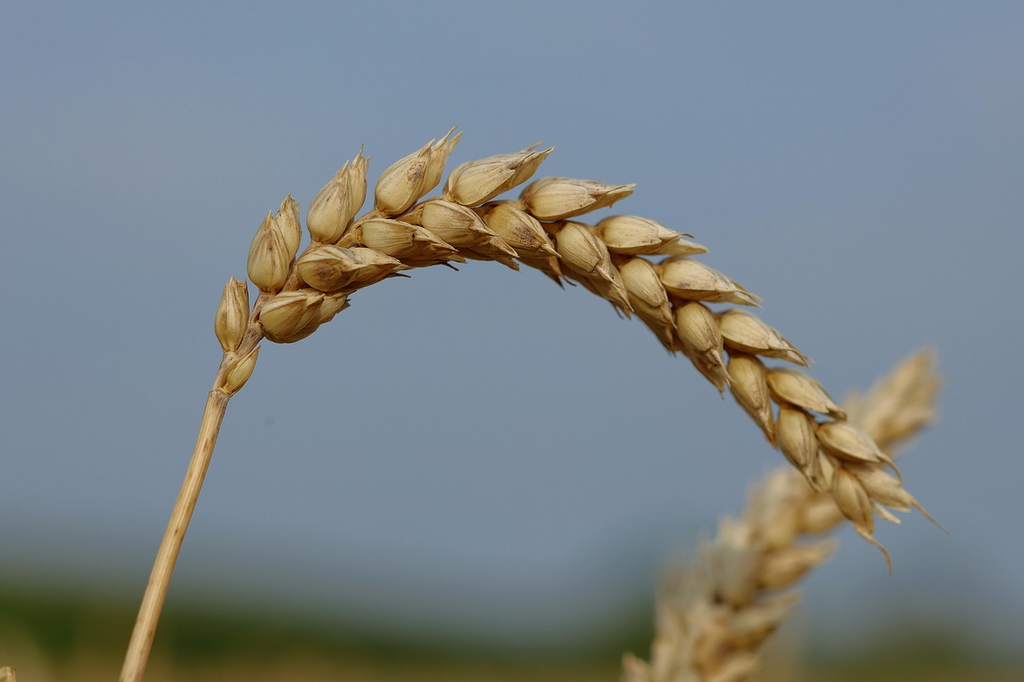
💡 Key Takeaways
- Identify common basic pantry staples and their typical uses in everyday cooking.
- Differentiate between perishable and non-perishable items and learn proper storage methods.
- Learn quick tips for selecting quality basics and reading simple labels.
- Understand how staple foods fit into a balanced diet and basic ideas for meal pairing.
❓ Frequently Asked Questions
What are basic food items (pantry staples)?
Basic food items are essential ingredients used to prepare most meals, typically including grains, legumes, dairy, canned goods, oils, spices, and sturdy produce with good shelf life.
What are common pantry staples to keep on hand?
Rice or pasta, flour, sugar, salt, cooking oil, canned tomatoes, beans or lentils, oats or cereal, onions, garlic, and a few dried herbs or spices.
How should I store basic food items to maximize freshness?
Store dry goods in airtight containers in a cool, dry place. Refrigerate perishables (dairy, meat, certain produce). Label items with dates and use FIFO (first in, first out).
What is the difference between perishable and non-perishable basic items?
Perishables spoil quickly and need refrigeration or prompt use (fresh fruits/vegetables, dairy, meat). Non-perishables last longer (grains, canned goods, dried beans) when stored properly.