Basic human anatomy refers to the study of the structure and organization of the human body. It covers the major body systems, such as the skeletal, muscular, circulatory, respiratory, digestive, nervous, and reproductive systems. Understanding human body basics helps explain how organs, tissues, and cells work together to maintain health and support life. This foundational knowledge is essential for medical professionals and anyone interested in how the body functions.
Basic Human Anatomy+50
Basic human anatomy refers to the study of the structure and organization of the human body. It covers the major body systems, such as the skeletal, muscular, circulatory, respiratory, digestive, nervous, and reproductive systems. Understanding human body basics helps explain how organs, tissues, and cells work together to maintain health and support life. This foundational knowledge is essential for medical professionals and anyone interested in how the body functions.
💡 Key Takeaways
- Identify major organ systems and their key organs.
- Use basic anatomical terms to describe body locations (e.g., anterior/posterior, proximal/distal).
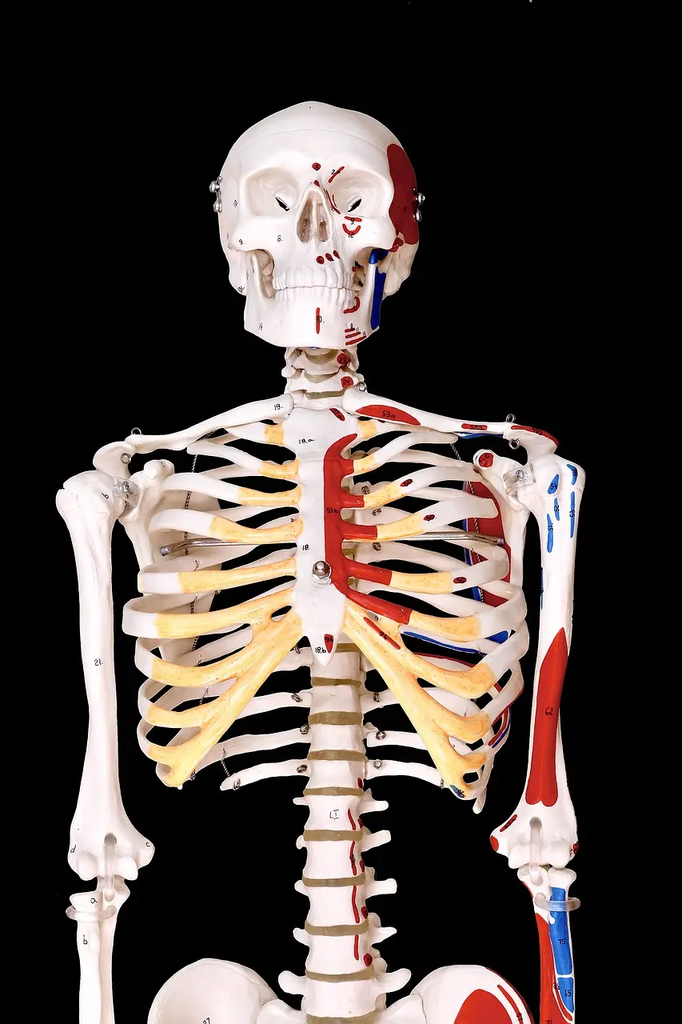
- Locate essential organs (brain, heart, lungs, liver, stomach) on a simple diagram.
- Understand how body structures relate to their functions and how systems interact.
❓ Frequently Asked Questions
What is the basic organization of the human body?
Cells form tissues; tissues form organs; organs combine into organ systems that make up the whole organism.
What are the four primary tissue types in the human body?
Epithelial, connective, muscle, and nervous tissues.
What is the skeletal system responsible for?
Providing support and structure, protecting organs, enabling movement, storing minerals, and producing blood cells.
What are the main components of the circulatory system and its job?
Heart, blood vessels, and blood; it transports oxygen, nutrients, and wastes throughout the body.