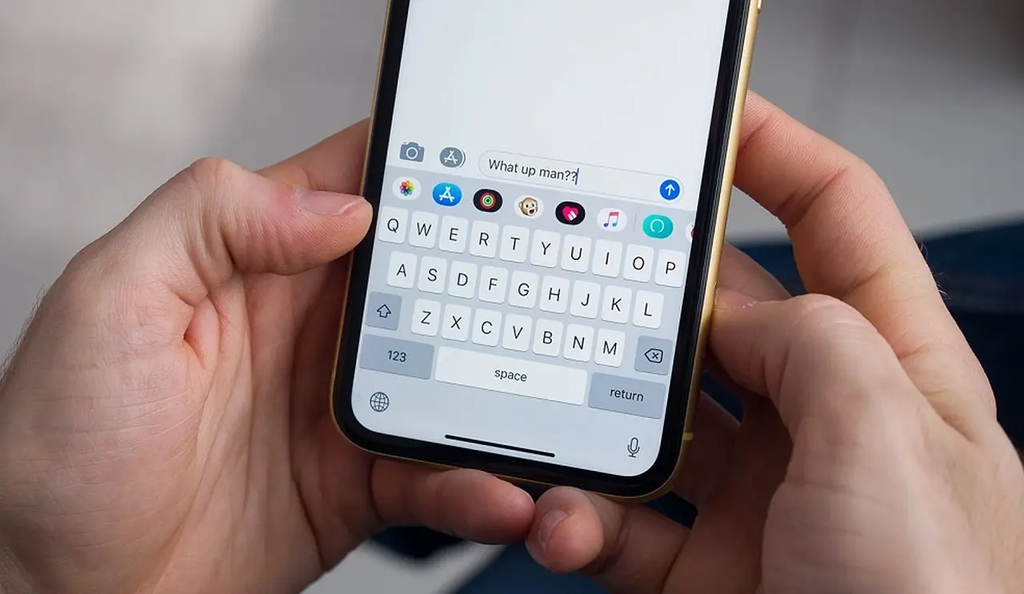
Basic Messaging Apps, commonly used as daily mobile apps, are applications designed for sending and receiving text messages, images, videos, and voice notes between users. They typically offer simple, user-friendly interfaces and essential features such as group chats, notifications, and emoji support. Examples include WhatsApp, Messenger, and Telegram. These apps have become integral to modern communication, enabling instant connectivity and interaction for personal, social, and sometimes professional purposes.
Basic Messaging Apps+50
Basic Messaging Apps, commonly used as daily mobile apps, are applications designed for sending and receiving text messages, images, videos, and voice notes between users. They typically offer simple, user-friendly interfaces and essential features such as group chats, notifications, and emoji support. Examples include WhatsApp, Messenger, and Telegram. These apps have become integral to modern communication, enabling instant connectivity and interaction for personal, social, and sometimes professional purposes.
💡 Key Takeaways
- Distinguish SMS/MMS from internet-based messaging apps and know when to use each.
- Recognize core features of messaging apps: one-to-one chats, group chats, media sharing, and read receipts.
- Understand basic privacy and security: end-to-end encryption, app permissions, and safe sharing practices.
- Learn how to manage notifications, online status, and cross-device syncing for a smoother messaging experience.
❓ Frequently Asked Questions
What is a basic messaging app?
A basic messaging app is software that lets you send text messages and media to other people over the internet or mobile data, typically in chat threads with notifications.
How does a messaging app differ from SMS?
SMS uses your carrier's cellular network and charges per message; messaging apps use internet data, require an account, and often support features like group chats and media sharing.
What is end-to-end encryption and why does it matter?
End-to-end encryption (E2EE) ensures only you and the recipient can read messages; even the service provider can't access them. Look for E2EE indicators in the app.
What features are commonly found in basic messaging apps?
Common features include 1-to-1 and group chats, sending text and media, voice messages, read receipts, notifications, and privacy controls.