Basic punches in boxing include the jab, cross, hook, and uppercut. The jab is a quick, straight punch thrown with the lead hand, used for speed and distance. The cross is a powerful straight punch from the rear hand, often following the jab. The hook is a curved punch thrown from the side, targeting the opponent’s head or body. The uppercut is an upward punch, effective at close range.
Basic Punches: Jab, Cross, Hook, Uppercut
Basic punches in boxing include the jab, cross, hook, and uppercut. The jab is a quick, straight punch thrown with the lead hand, used for speed and distance. The cross is a powerful straight punch from the rear hand, often following the jab. The hook is a curved punch thrown from the side, targeting the opponent’s head or body. The uppercut is an upward punch, effective at close range.
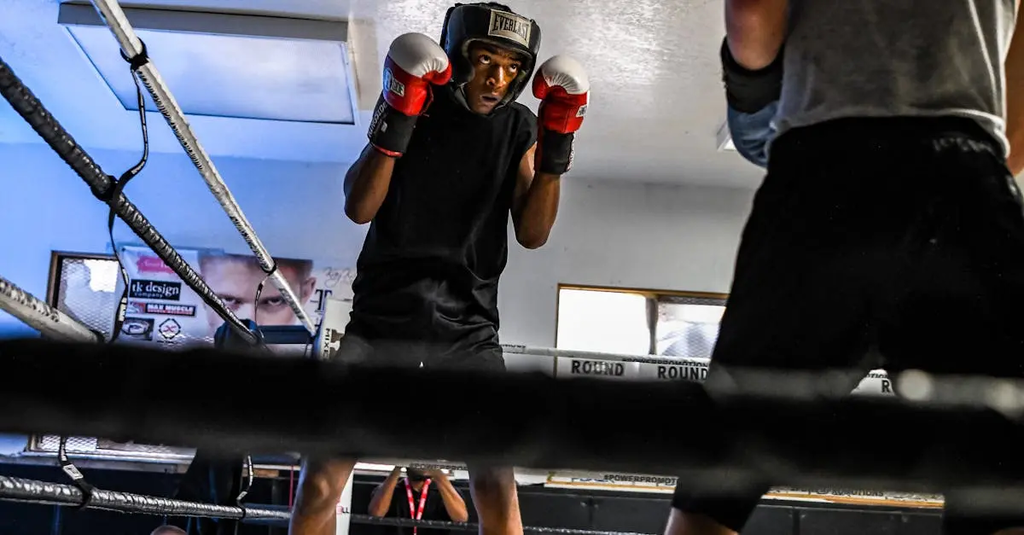
💡 Key Takeaways
- Identify the four basic punches (jab, cross, hook, uppercut) and explain their primary roles in reach, power, and angles.
- Describe the correct technique for each punch, including lead and rear hand use, stance, hip and shoulder rotation, and punching trajectory.
- Learn how to use these punches together in simple combinations and how to set up one punch with another (e.g., jab followed by a cross or hook).
- Recognize common mistakes and safety tips to protect your guard, maintain balance, and prevent injuries when throwing punches.
❓ Frequently Asked Questions
What is a jab and what is it used for?
A jab is a quick, straight punch thrown with the lead hand. It helps with speed, distance control, and setting up follow-up punches.
How does the cross differ from the jab?
The cross is a powerful straight punch from the rear hand, typically thrown after a jab, delivering more power and longer reach.
What is a hook and when is it most effective?
The hook is a curved punch thrown from the side, targeting the head or body. It’s effective at close to mid-range and can surprise an opponent.
What is an uppercut and when should you use it?
The uppercut is a vertical rising punch from underneath, aimed at the chin or torso. It’s most effective up close, often used in tight quarters.
How can these punches be combined in a basic sequence?
Start with a jab to create distance, then follow with a cross or hook as openings appear, using proper hip rotation and balance for power.