Basic shapes in car logos, such as circles, ovals, triangles, and shields, play a crucial role in brand identity and recognition. Luxury car brands often use sleek, simple shapes to convey elegance, prestige, and timelessness, while mainstream brands may opt for bold or dynamic forms to suggest reliability and innovation. These fundamental geometric elements help logos remain memorable, versatile, and effective across various media and cultural contexts.
Basic Shapes in Car Logos+50
Basic shapes in car logos, such as circles, ovals, triangles, and shields, play a crucial role in brand identity and recognition. Luxury car brands often use sleek, simple shapes to convey elegance, prestige, and timelessness, while mainstream brands may opt for bold or dynamic forms to suggest reliability and innovation. These fundamental geometric elements help logos remain memorable, versatile, and effective across various media and cultural contexts.
💡 Key Takeaways
- Identify common shapes used in car logos (circles, shields, triangles, ovals) and what they typically signal about a brand.
- See how symmetry and balance in shapes boost recognition and memorability.
- Learn how designers use combinations of basic shapes and negative space to create unique logos.
- Understand how shapes communicate brand stories like safety, performance, luxury, and heritage, even with limited color.
❓ Frequently Asked Questions
Which basic shapes are most common in car logos and why?
Common shapes include circles, ovals/ellipses, shields/crests, diamonds, and stars. They help recognition and convey ideas like unity, tradition, speed, or luxury.
What does a circular logo (roundel) typically signify, and which brands use it?
Circles suggest unity, completeness, and movement. Brands using circles include Mercedes-Benz (circle with a three-pointed star), BMW (roundel), and Audi (four interlocking rings are circular).
What is the purpose of a shield or crest in a car logo, and can you name examples?
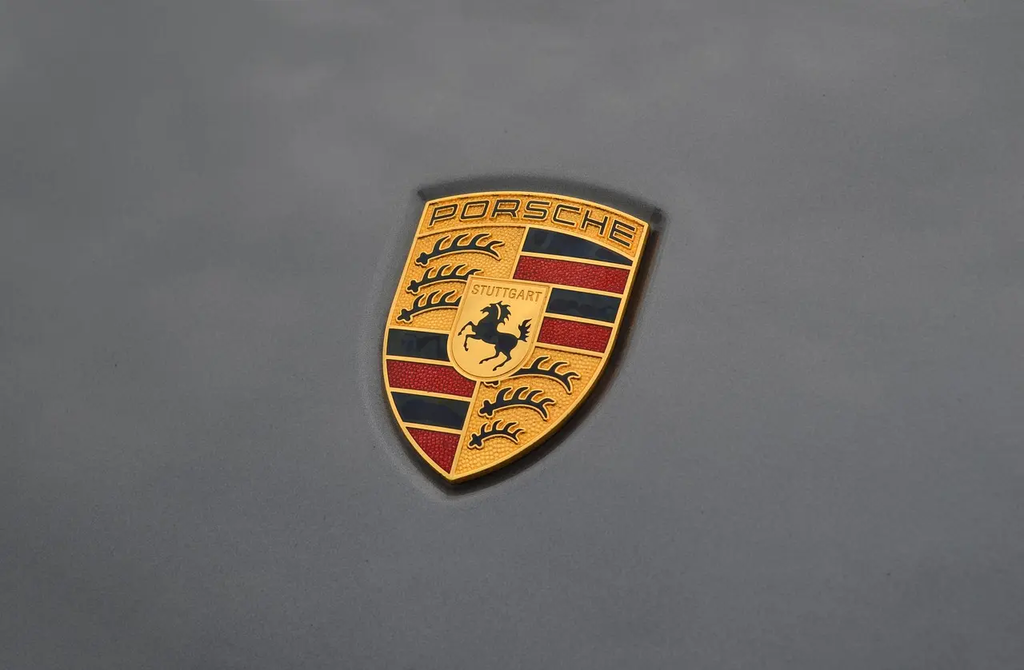
Shields/crests emphasize heritage, prestige, and protection. Examples: Porsche crest (shield), Ferrari's shield with a horse, Lamborghini (shield with bull), Cadillac (crest).
Why are ovals/ellipses popular, and which brands use them?
Ovals convey speed and elegance and are highly legible at a distance. Examples: Toyota (overlapping ellipses forming a T), Ford (blue oval).