"Basic Time Telling (Puzzles for All Ages)" refers to engaging activities designed to help individuals of varying ages learn how to read clocks and understand time. These puzzles typically involve matching clock faces with digital times, arranging events in chronological order, or solving riddles about daily schedules. The aim is to reinforce foundational time-telling skills in a fun, interactive way, making the learning process enjoyable and accessible for everyone, from young children to adults.
Basic Time Telling
"Basic Time Telling (Puzzles for All Ages)" refers to engaging activities designed to help individuals of varying ages learn how to read clocks and understand time. These puzzles typically involve matching clock faces with digital times, arranging events in chronological order, or solving riddles about daily schedules. The aim is to reinforce foundational time-telling skills in a fun, interactive way, making the learning process enjoyable and accessible for everyone, from young children to adults.
💡 Key Takeaways
- Identify the hour and minute hands on an analog clock to read the time.
- Tell time in five-minute intervals using common terms like o'clock, five past, quarter past, half past, and quarter to.
- Convert between analog clock times and digital format (HH:MM).
- Understand the 12-hour cycle and distinguish between AM and PM.
❓ Frequently Asked Questions
What is the difference between the hour hand and the minute hand on an analog clock?
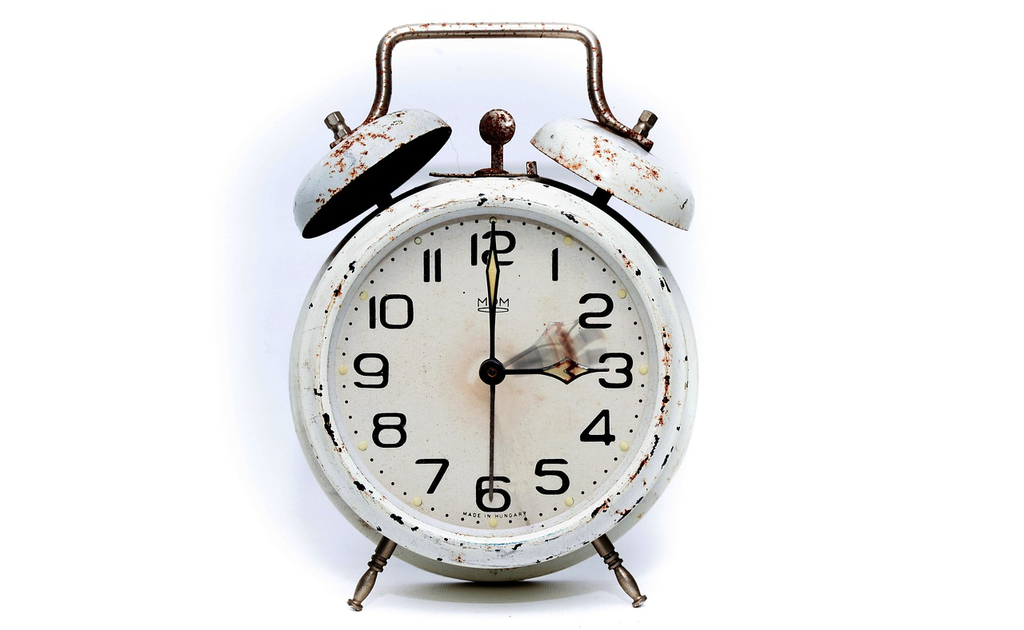
The hour hand is shorter and points to the current hour (moving slowly between numbers); the minute hand is longer and points to the minutes (each number represents 5 minutes).
How many minutes are in an hour and how many hours are in a day?
60 minutes in an hour; 24 hours in a day.
How do you read a time on an analog clock?
Read the hour hand to identify the hour (and its position between numbers if needed), then read the minute hand: each number equals 5 minutes (e.g., 2 = 10 minutes; 12 = 0 or 60 minutes).
What do AM and PM mean on a 12-hour clock?
AM means before noon (midnight to just before noon); PM means after noon (noon to just before midnight).