Beginner reptile pets are species that are generally easy to care for, making them suitable for those new to reptile keeping. Common choices include leopard geckos, corn snakes, and bearded dragons. These reptiles typically require straightforward habitats, manageable diets, and have docile temperaments. Proper care involves providing appropriate enclosures, maintaining correct temperature and humidity, offering a balanced diet, and regular health checks to ensure their well-being and longevity.
Beginner Reptile Pets and Care
Beginner reptile pets are species that are generally easy to care for, making them suitable for those new to reptile keeping. Common choices include leopard geckos, corn snakes, and bearded dragons. These reptiles typically require straightforward habitats, manageable diets, and have docile temperaments. Proper care involves providing appropriate enclosures, maintaining correct temperature and humidity, offering a balanced diet, and regular health checks to ensure their well-being and longevity.
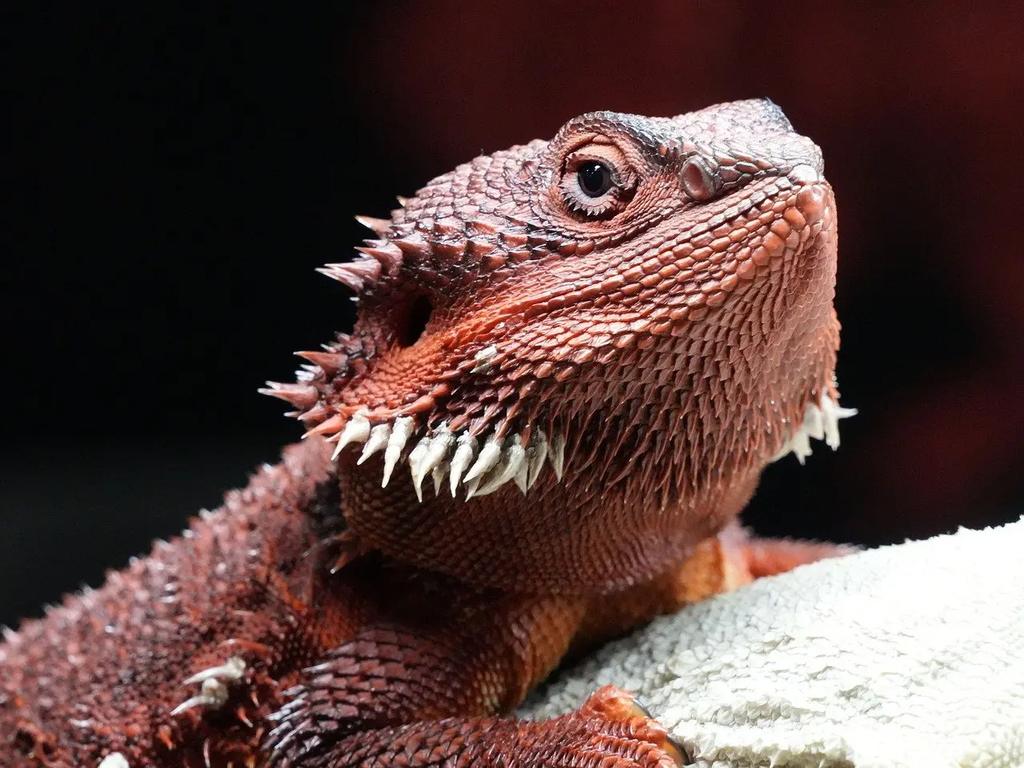
💡 Key Takeaways
- Identify why leopard geckos, corn snakes, and bearded dragons are considered beginner-friendly reptile pets.
- Describe the essential habitat basics: enclosure size, temperature gradients, UVB lighting, and humidity.
- Summarize simple, species-appropriate diets and feeding schedules for these reptiles, plus fresh water needs.
- Practice safe handling and recognize common signs of stress or health issues to support welfare.
❓ Frequently Asked Questions
What makes leopard geckos, corn snakes, and bearded dragons good beginner reptile pets?
They’re generally hardy, have manageable care needs, and tend to tolerate handling with straightforward diets and habitats when basic guidelines are followed.
What should a beginner reptile enclosure include?
A secure tank, a temperature gradient with a heat source, appropriate lighting (UVB for some species), safe substrate, hiding spots, and access to fresh water.
How do feeding needs vary among common beginner reptiles?
Feeding schedules and diets differ by species: leopard geckos and corn snakes typically eat on a regular schedule with appropriately sized prey, while bearded dragons require a mix of vegetables and insects; follow species-specific guidelines and provide calcium/vitamin supplements as advised.
What are key maintenance tasks for beginner reptile owners?
Regular enclosure cleaning, daily fresh water, monitoring temperatures and humidity, routine health checks, and gentle handling to reduce stress.
How can you tell if a beginner reptile is stressed or not thriving?
Look for lethargy, loss of appetite, abnormal shedding, unusual stools, swelling, or persistent signs of illness—consult a reptile veterinarian if concerns arise.