The beginnings of the Industrial Revolution refer to the late 18th and early 19th centuries, primarily in Britain, when major technological advancements transformed manufacturing processes. Innovations like the steam engine, spinning jenny, and power loom enabled mass production, shifting economies from agriculture to industry. This era saw rapid urbanization, growth of factories, and significant social, economic, and environmental changes, laying the foundation for the modern industrialized world.
Beginnings of the Industrial Revolution+50
The beginnings of the Industrial Revolution refer to the late 18th and early 19th centuries, primarily in Britain, when major technological advancements transformed manufacturing processes. Innovations like the steam engine, spinning jenny, and power loom enabled mass production, shifting economies from agriculture to industry. This era saw rapid urbanization, growth of factories, and significant social, economic, and environmental changes, laying the foundation for the modern industrialized world.
💡 Key Takeaways
- Identify the key factors that sparked the Industrial Revolution in Britain (steam power, mechanization, and agricultural changes).
- Explain how steam power and textile machinery transformed factories and production.
- Describe early social and economic impacts, including urbanization, the factory system, and changes in labor.
- Name notable early innovators and inventions that started the revolution (e.g., James Watt, Richard Arkwright, the spinning jenny, steam engine).
- Understand the role of improved transportation (canals and early railways) in accelerating industrial growth.
❓ Frequently Asked Questions
What is the Industrial Revolution, and when did it begin?
A period of rapid technological, economic, and social change in which production shifted from hand tools to machine-based factories, beginning in Britain in the late 18th century (roughly 1760s–1780s) and expanding elsewhere.
Where did it begin and why?
It began in Great Britain, driven by new inventions, abundant coal and iron, expanding trade networks, and capital for investment; its ideas then spread to Europe and North America.
What were the key inventions of the early phase?
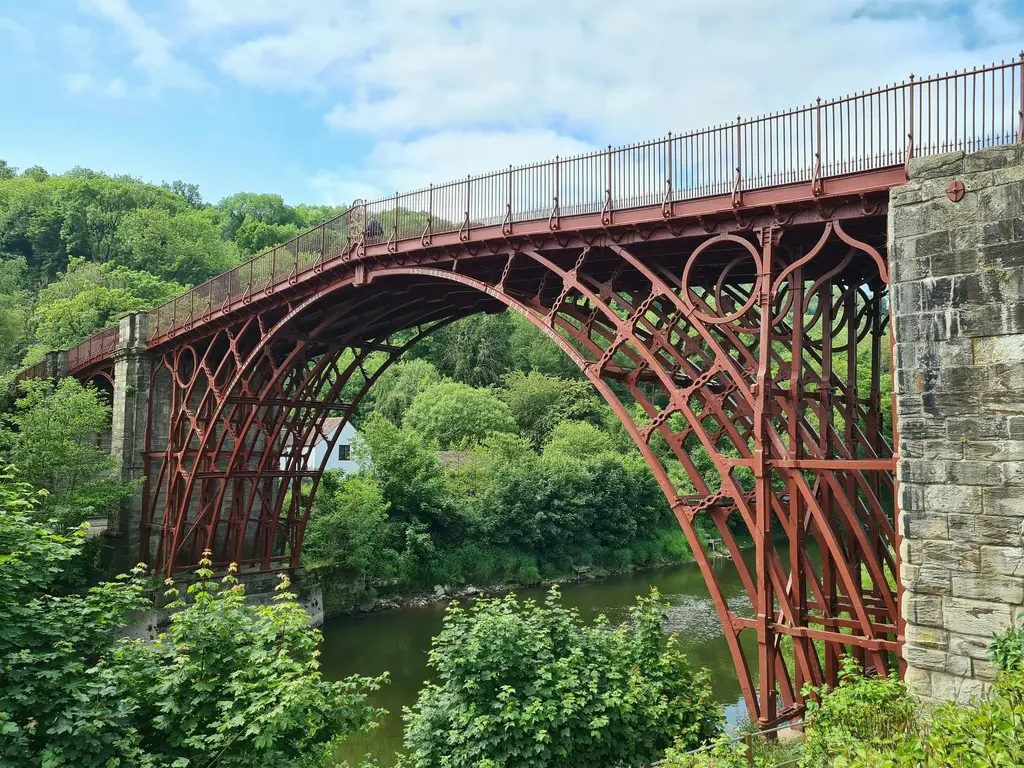
Important innovations include the steam engine (improved by James Watt), textile machines like the spinning jenny, water frame, and power loom, plus advances in iron production using coke.
How did the factory system change work and society?
Factories centralized production, standardized tasks, and required long hours, fostering urban growth, a new labor system, and changes in working and living conditions.