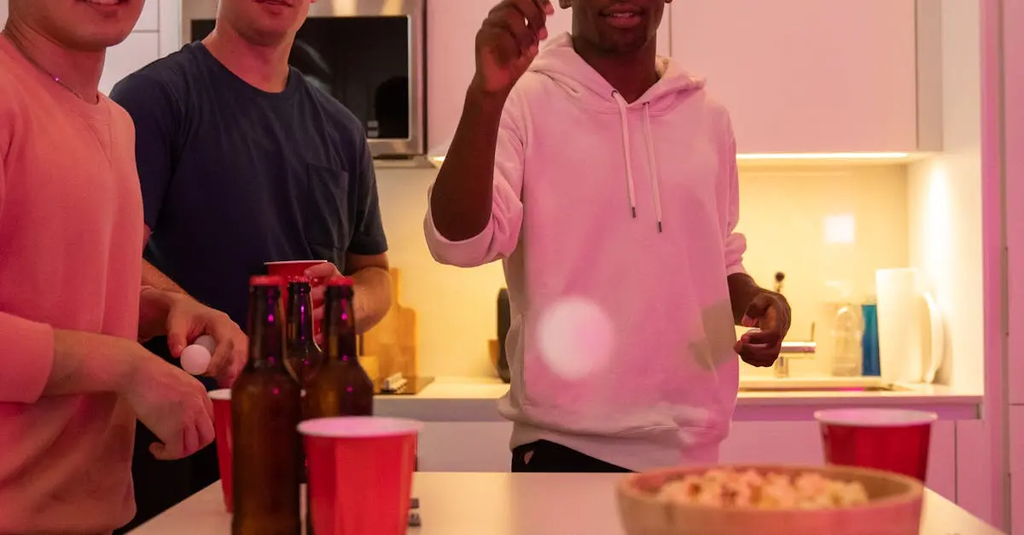
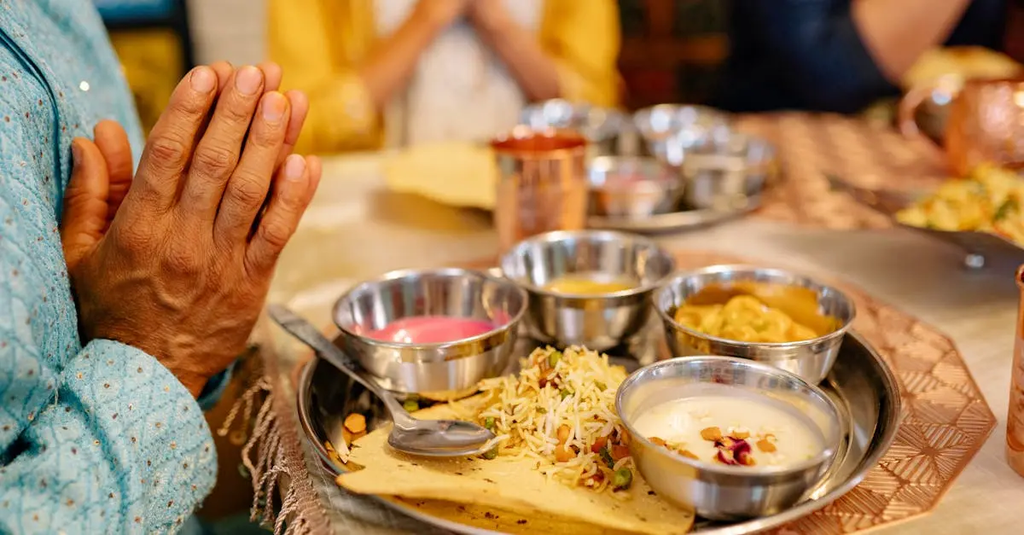
Behavioral Economics of Nightlife examines how psychological factors and social influences shape individuals’ decisions in nightlife settings, such as bars, clubs, and events. It explores how elements like peer pressure, alcohol consumption, pricing strategies, and atmosphere affect choices about spending, risk-taking, and social interactions. By understanding these behaviors, businesses and policymakers can design environments that promote safer, more enjoyable experiences while also maximizing revenue and customer satisfaction.
Behavioral Economics of Nightlife
Behavioral Economics of Nightlife examines how psychological factors and social influences shape individuals’ decisions in nightlife settings, such as bars, clubs, and events. It explores how elements like peer pressure, alcohol consumption, pricing strategies, and atmosphere affect choices about spending, risk-taking, and social interactions. By understanding these behaviors, businesses and policymakers can design environments that promote safer, more enjoyable experiences while also maximizing revenue and customer satisfaction.
💡 Key Takeaways
- Understand how peer pressure and social norms influence decisions to go out, order drinks, and stay longer in nightlife settings.
- Explore how pricing strategies (cover charges, happy hours, drink specials, dynamic pricing) shape perceived value and consumption levels.
- Examine how nightlife atmosphere (music tempo, crowd density, lighting, service pace) affects mood, risk-taking, and spending.
- Learn about cognitive biases and self-control challenges (present bias, temptation, impulse spending) that affect alcohol use and budgeting in nightlife.
❓ Frequently Asked Questions
What is behavioral economics in the nightlife context?
It studies how psychological biases, emotions, and social cues influence choices about drinks, tickets, and events, beyond straightforward cost-benefit calculations.
How do peer pressure and social norms affect drinking and spending at bars or clubs?
People often imitate friends, seek social approval, or fear missing out, which can lead to higher drink counts, rounds, or premium purchases even when not optimal.
How do pricing strategies like happy hours, cover charges, or bottle service influence decisions?
Promotions and price structures create perceived value or urgency, guiding when and what people buy and sometimes extending stays to capitalize on deals.
What role does atmosphere (music, lighting, crowd) play in nightlife choices?
Arousing environments can raise impulse buying and willingness to spend, while crowd dynamics and status cues influence timing and payment decisions.