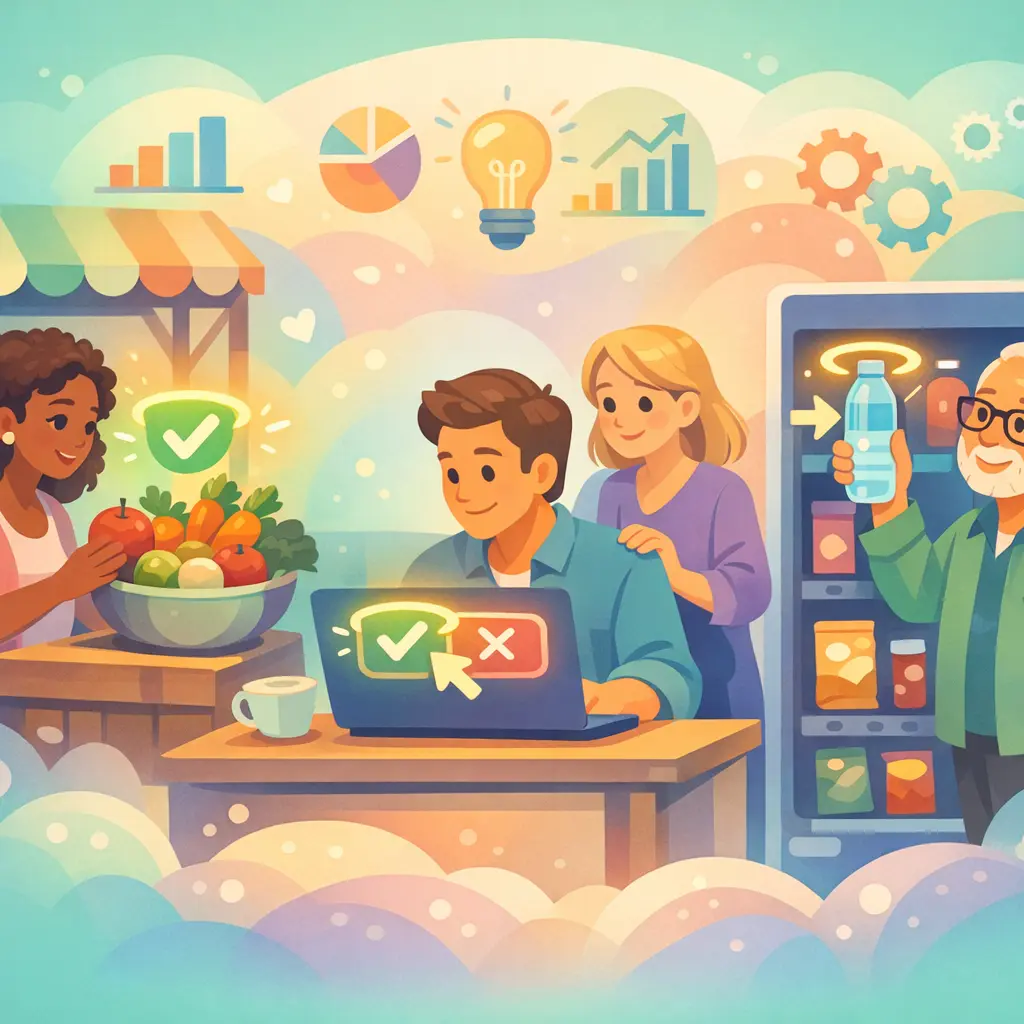
Behavioral Insights & Nudge Policies involve applying principles from psychology and behavioral economics to design laws, regulations, and public services that subtly guide individuals toward better decisions without restricting freedom of choice. In government and public service, these approaches use evidence-based interventions—such as changing default options or providing timely reminders—to improve policy outcomes, increase compliance, and encourage positive behaviors in areas like health, finance, and civic engagement.
Behavioral Insights & Nudge Policies
Behavioral Insights & Nudge Policies involve applying principles from psychology and behavioral economics to design laws, regulations, and public services that subtly guide individuals toward better decisions without restricting freedom of choice. In government and public service, these approaches use evidence-based interventions—such as changing default options or providing timely reminders—to improve policy outcomes, increase compliance, and encourage positive behaviors in areas like health, finance, and civic engagement.
💡 Key Takeaways
- Understand what behavioral insights are and why small, non-coercive changes can influence choices.
- Recognize common nudge techniques (defaults, framing, reminders, and social norms) used in policy and organizations.
- Learn how nudges are applied in real-world settings to improve outcomes without removing freedom of choice.
- Consider ethical and practical limitations of nudge policies, including autonomy and fairness.
- Apply basic design principles to create simple, effective nudges grounded in behavioral science.
❓ Frequently Asked Questions
What are behavioral insights?
Behavioral insights study how people actually think and decide, using psychology and behavioral science to explain choices and reveal biases that policy can address.
What is a nudge in policy design?
A nudge is a subtle change in the choice environment that encourages a preferred option without restricting freedom (e.g., default options, reminders).
How do nudges differ from traditional regulations?
Nudges alter how choices are presented to guide decisions, while regulations compel or prohibit actions; nudges preserve freedom to choose.
Can you give examples of nudges?
Default enrollment in retirement plans, opt-out organ donation, clearer labeling, reminders for vaccination, and simplified forms.
What should be considered to use nudges ethically?
Be transparent, use evidence, respect autonomy, avoid manipulation, and monitor for unintended effects.