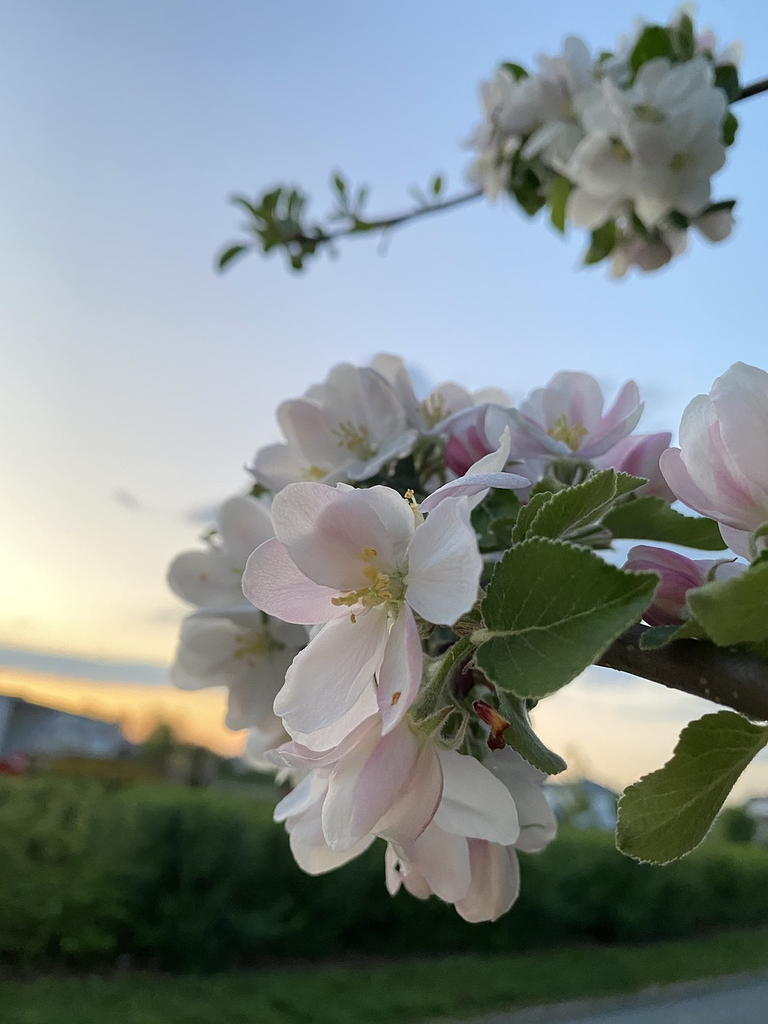
Beltane Celebrations mark the arrival of spring and are rooted in ancient Celtic traditions. Observed around May 1st, these festivities honor fertility, renewal, and the blossoming of nature. Rituals often include lighting bonfires, dancing around maypoles, decorating with flowers, and sharing feasts. Beltane symbolizes the union of earth and sun, encouraging growth and abundance, and remains a vibrant holiday in modern pagan and Wiccan communities.
Beltane Celebrations
Beltane Celebrations mark the arrival of spring and are rooted in ancient Celtic traditions. Observed around May 1st, these festivities honor fertility, renewal, and the blossoming of nature. Rituals often include lighting bonfires, dancing around maypoles, decorating with flowers, and sharing feasts. Beltane symbolizes the union of earth and sun, encouraging growth and abundance, and remains a vibrant holiday in modern pagan and Wiccan communities.
💡 Key Takeaways
- Understand Beltane's origins as a Gaelic spring festival and its place in the seasonal cycle.
- Identify common Beltane traditions (bonfires, maypole dancing, flower crowns) and their symbolic meanings.
- Explore how Beltane relates to fertility, agriculture, and the renewal of nature.
- Compare historical Beltane practices with modern celebrations across different regions.
❓ Frequently Asked Questions
What is Beltane and when is it celebrated?
Beltane is a Gaelic festival marking the start of summer, traditionally observed on May 1st in the Northern Hemisphere.
What are common Beltane traditions?
Bonfires to purify and protect cattle, dancing around a maypole, and decorating with flowers and greenery are common Beltane traditions.
Why are fires central to Beltane?
Bonfires symbolize the sun's warmth and light, believed to ward off evil and bless livestock and crops for the coming year.
How is Beltane celebrated today?
Many communities hold festivals with singing, dancing, maypole activities, nature walks, and crafts, blending traditional and modern practices.
Is Beltane the same as May Day?
Beltane (Bealtaine) is a Gaelic festival on May 1st; May Day is a broader spring holiday with varied customs, often including maypole dancing in some regions.