The phrase refers to guidelines or recommendations regarding what drinks are offered to children, particularly during nutrition planning and the process of night weaning. It emphasizes the importance of limiting beverage options to healthy choices such as milk, water, and juice (with restrictions on quantity and type of juice), in order to support optimal growth, prevent tooth decay, and establish healthy habits as children transition away from nighttime feedings.
Beverage choices: milk, water, and juice limits
The phrase refers to guidelines or recommendations regarding what drinks are offered to children, particularly during nutrition planning and the process of night weaning. It emphasizes the importance of limiting beverage options to healthy choices such as milk, water, and juice (with restrictions on quantity and type of juice), in order to support optimal growth, prevent tooth decay, and establish healthy habits as children transition away from nighttime feedings.
💡 Key Takeaways
- Understand how water, milk, and juice differently contribute to hydration, nutrients, and calories
- Identify standard serving sizes and daily limits for milk, juice, and water to balance nutrition
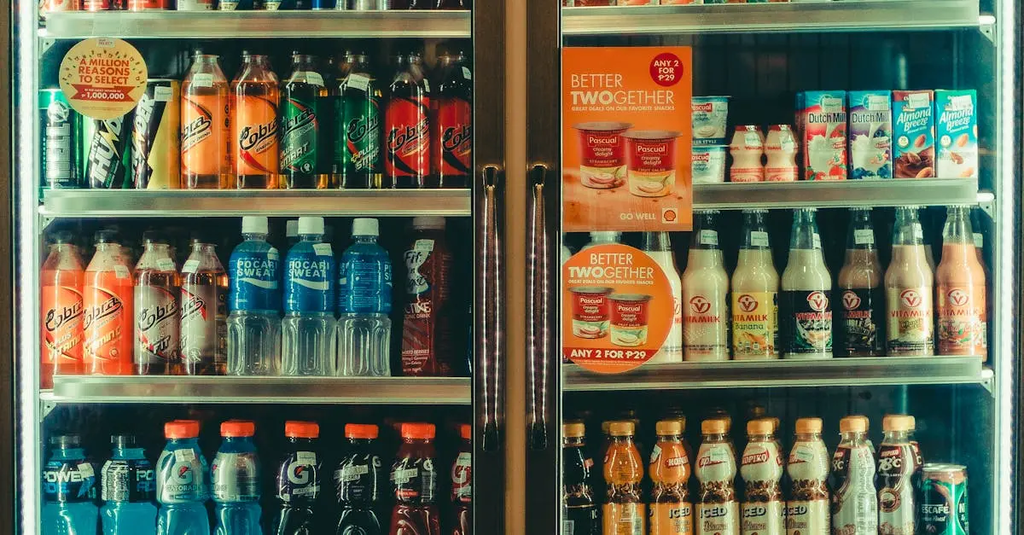
- Read beverage labels to compare sugar, calories, and key nutrients across drink options
- Develop strategies to choose healthier beverages and reduce intake of sugary drinks
❓ Frequently Asked Questions
What is the best beverage for hydration?
Water is the primary hydrator with no calories. Drink water regularly; other drinks can contribute fluids but watch added sugars and caffeine.
How does milk fit into a balanced beverage plan?
Milk provides calcium, vitamin D, and protein. Choose low-fat or fat-free options if you're watching calories or saturated fat; lactose-free options are available if needed.
Why limit juice, and how much is reasonable?
Juice contains natural sugars and calories. Limit portions, opt for 100% juice with no added sugars, and prefer whole fruit for fiber when possible.
How should I balance these beverages during meals or activities?
Water should be your go-to for hydration. Include milk with meals for calcium and protein if desired. If you drink juice, keep the serving small and avoid high-sugar beverages.