Beyoncé’s tours trace her evolution from Destiny’s Child’s harmonious pop-R&B performances to her commanding solo spectacles. Early tours highlighted group dynamics and coordinated choreography, while her solo ventures, like the “I Am… World Tour” and “Formation World Tour,” showcased her vocal prowess, storytelling, and innovative staging. The Renaissance Tour represents her artistic maturity, blending dance, fashion, and empowerment themes, solidifying Beyoncé’s reputation as a transformative and influential live performer across decades.
Beyoncé Tours: Destiny's Child to Renaissance
Beyoncé’s tours trace her evolution from Destiny’s Child’s harmonious pop-R&B performances to her commanding solo spectacles. Early tours highlighted group dynamics and coordinated choreography, while her solo ventures, like the “I Am… World Tour” and “Formation World Tour,” showcased her vocal prowess, storytelling, and innovative staging. The Renaissance Tour represents her artistic maturity, blending dance, fashion, and empowerment themes, solidifying Beyoncé’s reputation as a transformative and influential live performer across decades.
💡 Key Takeaways
- Track Beyoncé’s tour evolution from Destiny’s Child to her expansive solo shows.
- Compare early group dynamics and synchronized choreography with solo showmanship and vocal prowess.
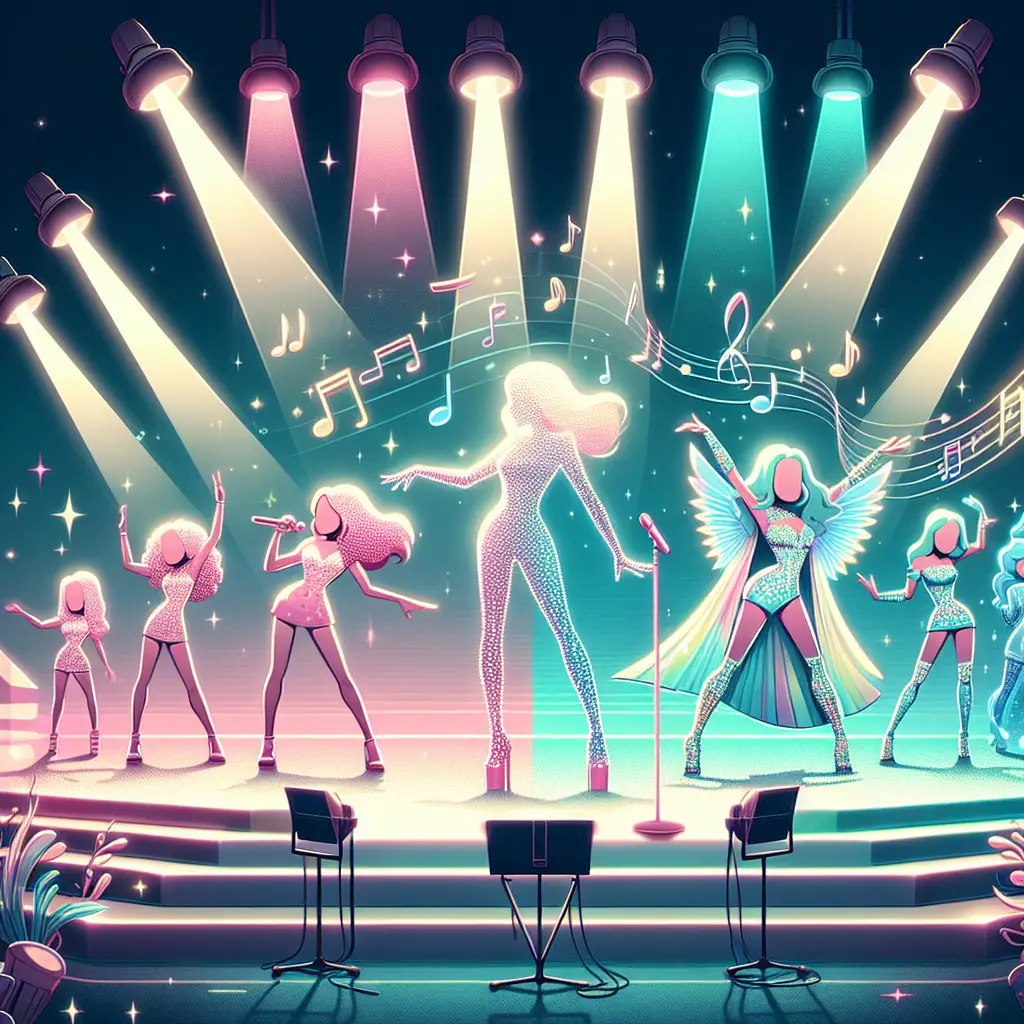
- Explore how stage design, costumes, and lighting shaped storytelling in I Am... World Tour and Formation World Tour.
- Understand the impact of Beyoncé’s tours on modern pop-R&B live performances and celebrity fandom culture (including crossovers with stars like Taylor Swift).
❓ Frequently Asked Questions
What is the main arc of Beyoncé’s touring history from Destiny’s Child to Renaissance?
It traces a move from group-based, harmony-driven performances to bold, solo spectacles with larger production, showmanship, and vocal display.
What early tour elements defined Destiny’s Child’s group performances?
Emphasis on group harmony, coordinated choreography, and tight on-stage dynamics that showcased the group’s unity.
Which two solo tours highlighted Beyoncé’s vocal prowess?
The I Am... World Tour and the Formation World Tour.
How did Renaissance influence Beyoncé’s live shows compared to earlier tours?
Renaissance-era performances emphasize immersive visuals and modern production design, building on solo tour traditions to create bigger, more concept-driven shows.