The biggest cave in the world, by volume and cross-section, is the Sơn Đoòng Cave in Vietnam. Discovered in 1991 and explored in 2009, it features massive chambers reaching over 200 meters high and 150 meters wide. Its vast interior contains a fast-flowing underground river, unique ecosystems, and even its own weather system, making it a remarkable natural wonder and the current world record holder for the largest cave.
Biggest Cave
The biggest cave in the world, by volume and cross-section, is the Sơn Đoòng Cave in Vietnam. Discovered in 1991 and explored in 2009, it features massive chambers reaching over 200 meters high and 150 meters wide. Its vast interior contains a fast-flowing underground river, unique ecosystems, and even its own weather system, making it a remarkable natural wonder and the current world record holder for the largest cave.
💡 Key Takeaways
- Understand what qualifies a cave as the biggest (by length, volume, or surface area).
- Learn how scientists measure and map the size of cave systems.
- Discover notable examples of the largest caves around the world (in different size metrics).
- Explore common features of large caves, such as vast chambers and diverse formations.
- Consider safety, conservation, and responsible exploration when visiting large caves.
❓ Frequently Asked Questions
What is considered the 'biggest cave' in the world?
Cave size can be defined in several ways—volume, length, and height. The largest by volume is typically Son Doong Cave in Vietnam, while Mammoth Cave in the U.S. is often cited as the longest mapped cave, and some chambers have the greatest height.
Which cave is widely recognized as the largest by volume, and where is it located?
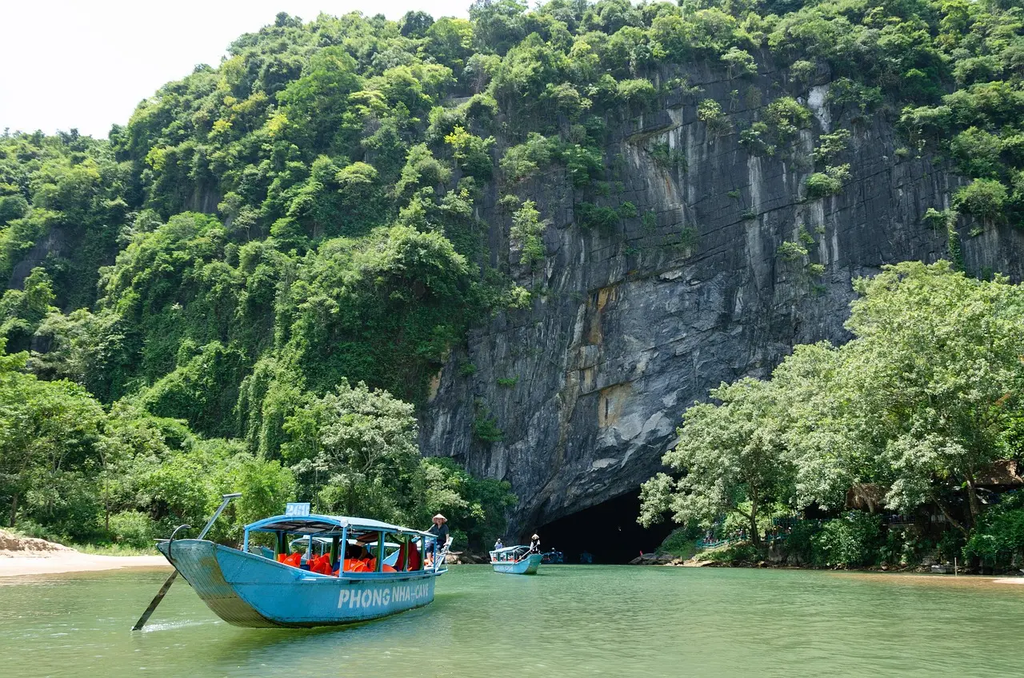
Son Doong Cave, located in Phong Nha-Ke Bang National Park, Vietnam. It is commonly cited as the largest cave by volume.
How do scientists measure and compare cave size?
Scientists map passages, measure length and cross‑sectional areas, and estimate volume using 3D surveys, laser scanning (LiDAR), and computer models to compare different caves.
Can the public visit the biggest caves, and how?
Some of the largest caves offer guided tours, but access is often restricted to protect the environment. Son Doong, for example, requires special permits and limited group tours; check official park authorities and tour operators for current rules and schedules.