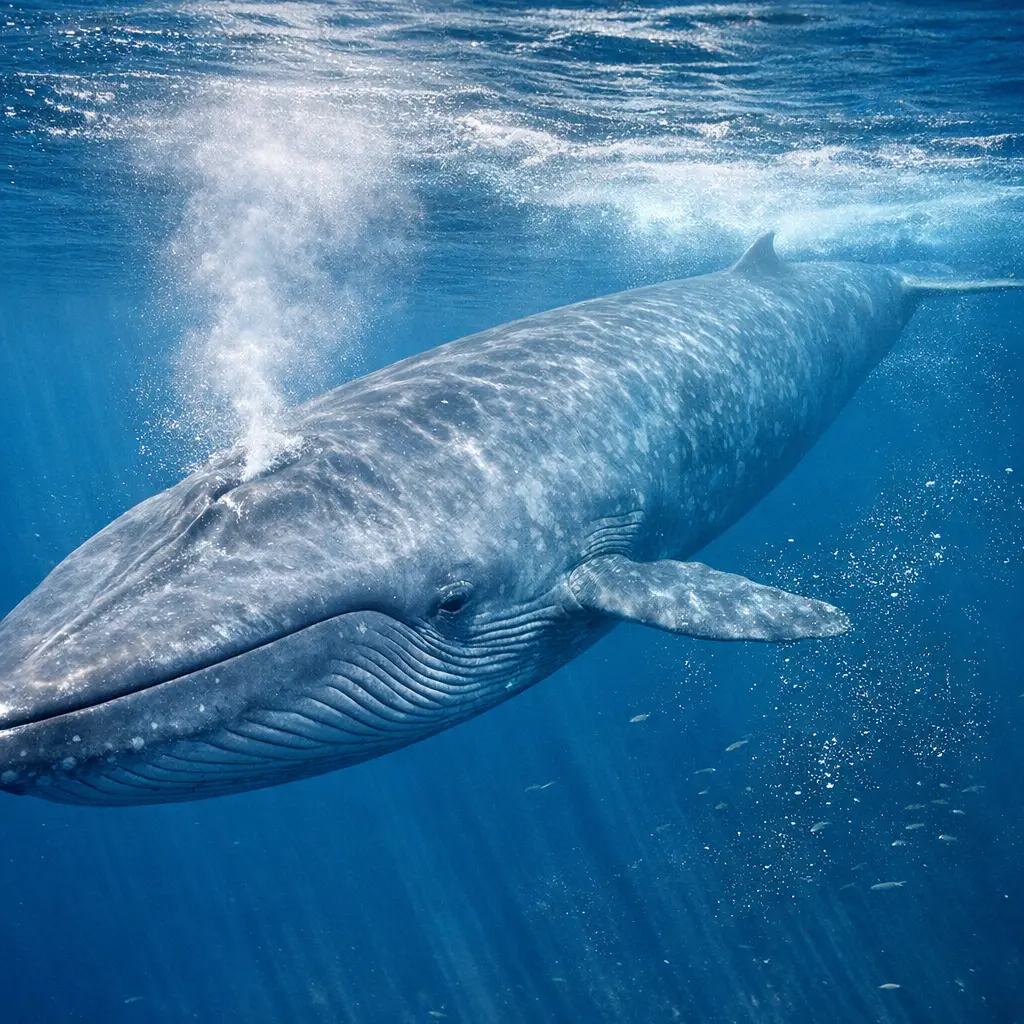
The biggest mammal in the world is the blue whale (Balaenoptera musculus). This marine giant can reach lengths of up to 100 feet and weigh as much as 200 tons, making it not only the largest living mammal but also the largest animal ever known to have existed on Earth. Blue whales are found in oceans worldwide and are renowned for their immense size and powerful presence.
Biggest Mammal
The biggest mammal in the world is the blue whale (Balaenoptera musculus). This marine giant can reach lengths of up to 100 feet and weigh as much as 200 tons, making it not only the largest living mammal but also the largest animal ever known to have existed on Earth. Blue whales are found in oceans worldwide and are renowned for their immense size and powerful presence.
💡 Key Takeaways
- Identify the blue whale as the largest mammal and know its size (up to ~30 meters long and ~200 tons).
- Differentiate the largest mammal overall from the largest land mammal (blue whale vs. African elephant).
- Explain how blue whales feed using baleen plates to filter tiny krill.
- Understand basics about the blue whale’s life cycle and conservation status.
❓ Frequently Asked Questions
What is the biggest mammal on Earth?
The blue whale is the largest mammal today, reaching up to about 30 meters long and weighing as much as 180 metric tons.
What is the largest land mammal?
The African elephant, standing about 3–4 meters tall at the shoulder and weighing up to around 6–7 metric tons (with rare individuals heavier).
How is 'biggest' defined in this context?
Biggest can mean overall size or mass. The blue whale is largest overall; among land mammals, elephants are the largest.
Have there been bigger mammals in the past?
Yes. Some extinct mammals, like Indricotherium, are estimated to have weighed about 15–20 tons, larger than any living land mammal.
Are whales mammals?
Yes. Whales are mammals—they breathe air, nurse their calves, and have hair at some life stage.