The phrase "Biggest Whale" refers to the blue whale, which holds the world record as the largest animal ever known to have existed on Earth. Blue whales can reach lengths of up to 100 feet and weigh as much as 200 tons. Their immense size surpasses that of any other whale species or land animal, making them a remarkable example in world records for the "biggest" living creature.
Biggest Whale
The phrase "Biggest Whale" refers to the blue whale, which holds the world record as the largest animal ever known to have existed on Earth. Blue whales can reach lengths of up to 100 feet and weigh as much as 200 tons. Their immense size surpasses that of any other whale species or land animal, making them a remarkable example in world records for the "biggest" living creature.
💡 Key Takeaways
- Identify the blue whale as the largest whale species and its typical size (up to about 30 meters long and around 180 tons).
- Understand what 'largest' means for whales—whether by length or weight—and how scientists measure size.
- Learn how blue whales feed using baleen and lunge feeding to sustain their massive size.
- Explore the blue whale's habitat, migration patterns, and conservation status to see why protecting this giant matters.
❓ Frequently Asked Questions
What is the biggest whale?
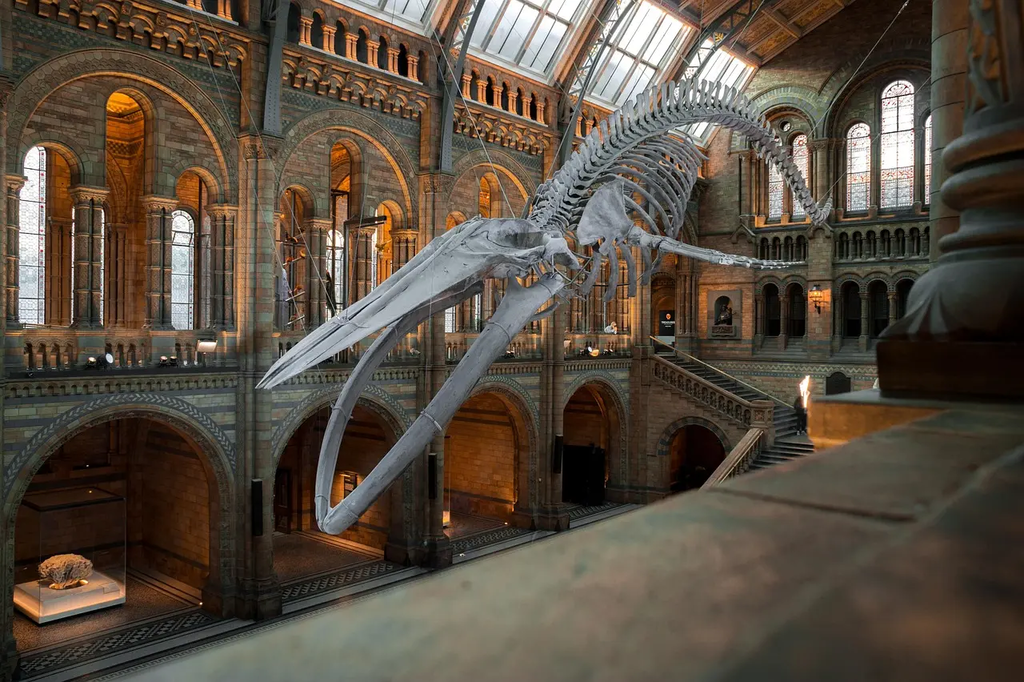
The blue whale is the largest whale species—and the largest animal on Earth—reaching up to about 30 meters (≈98 feet) long and weighing around 150–200 metric tons.
How does a blue whale compare to other whales?
No other whale reaches that size. After blue whales, the next-largest species include fin whales and sei whales, but none match the blue whale's enormous size.
What do blue whales eat?
Blue whales are baleen whales that filter-feed on tiny krill; during feeding seasons they can consume several tons of krill per day.
How long do blue whales live and are they endangered?
In the wild, blue whales commonly live about 70–90 years. They are currently listed as Endangered due to historic whaling, with slow population recovery.