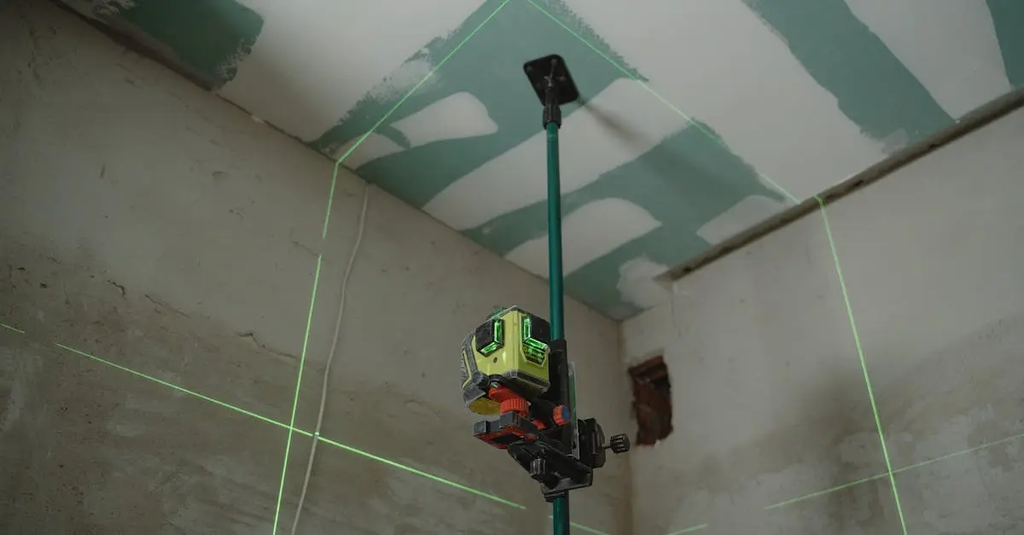
BIM & Construction Coordination refers to the collaborative process where Building Information Modeling (BIM) is used to streamline communication and integration among various stakeholders in a construction project. Through digital 3D models, teams can detect clashes, optimize scheduling, and ensure all disciplines—such as architecture, engineering, and contracting—are aligned. This approach reduces errors, minimizes rework, and improves overall project efficiency by providing a clear, shared understanding of the project’s design and construction requirements.
BIM & Construction Coordination
BIM & Construction Coordination refers to the collaborative process where Building Information Modeling (BIM) is used to streamline communication and integration among various stakeholders in a construction project. Through digital 3D models, teams can detect clashes, optimize scheduling, and ensure all disciplines—such as architecture, engineering, and contracting—are aligned. This approach reduces errors, minimizes rework, and improves overall project efficiency by providing a clear, shared understanding of the project’s design and construction requirements.
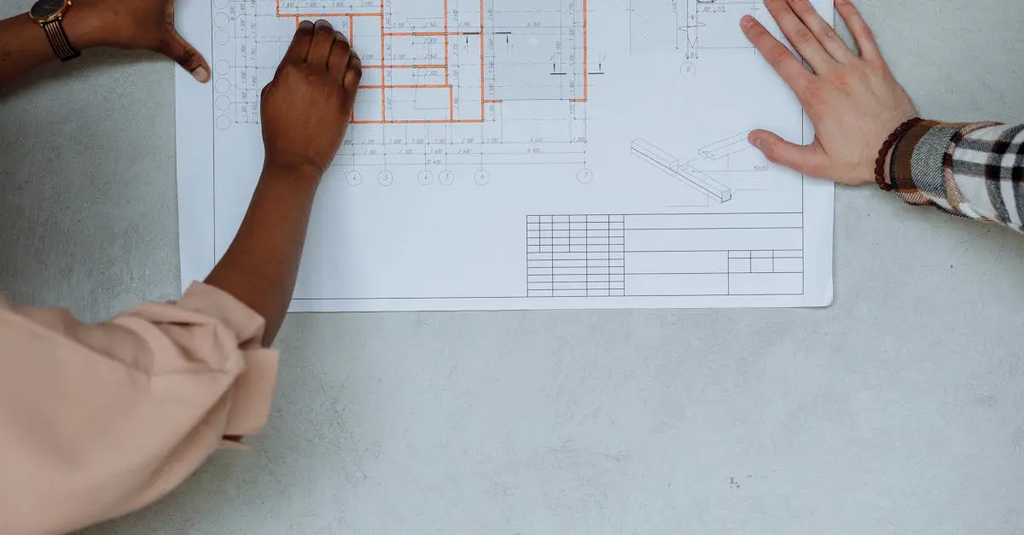
💡 Key Takeaways
- Understand how BIM uses 3D models to coordinate trades and prevent clashes on site.
- Learn how clash detection and issue resolution improve communication among designers, engineers, contractors, and trades.
- See how BIM-based scheduling and sequencing optimize field execution and logistics for trades and field crews.
- Identify key collaboration practices in BIM coordination (model sharing, coordination meetings, and issue tracking).
❓ Frequently Asked Questions
What is BIM & Construction Coordination?
It's the collaborative process of using Building Information Modeling to integrate design, construction, and operations data in a shared 3D model to improve communication, detect clashes, and plan work.
What does clash detection mean in BIM?
It uses software to automatically identify interferences between elements (e.g., pipes and ducts) in the combined model, allowing teams to resolve issues before on-site construction.
How does BIM coordination improve scheduling and sequencing?
By adding time to the 3D model (4D BIM), teams visualize the build sequence, optimize trade interfaces, and adjust timelines to prevent delays.
What are common outputs from BIM coordination for field teams?
Federated models, clash reports, coordination drawings, updated as-built information, and RFI responses that guide on-site installation and prefabrication.