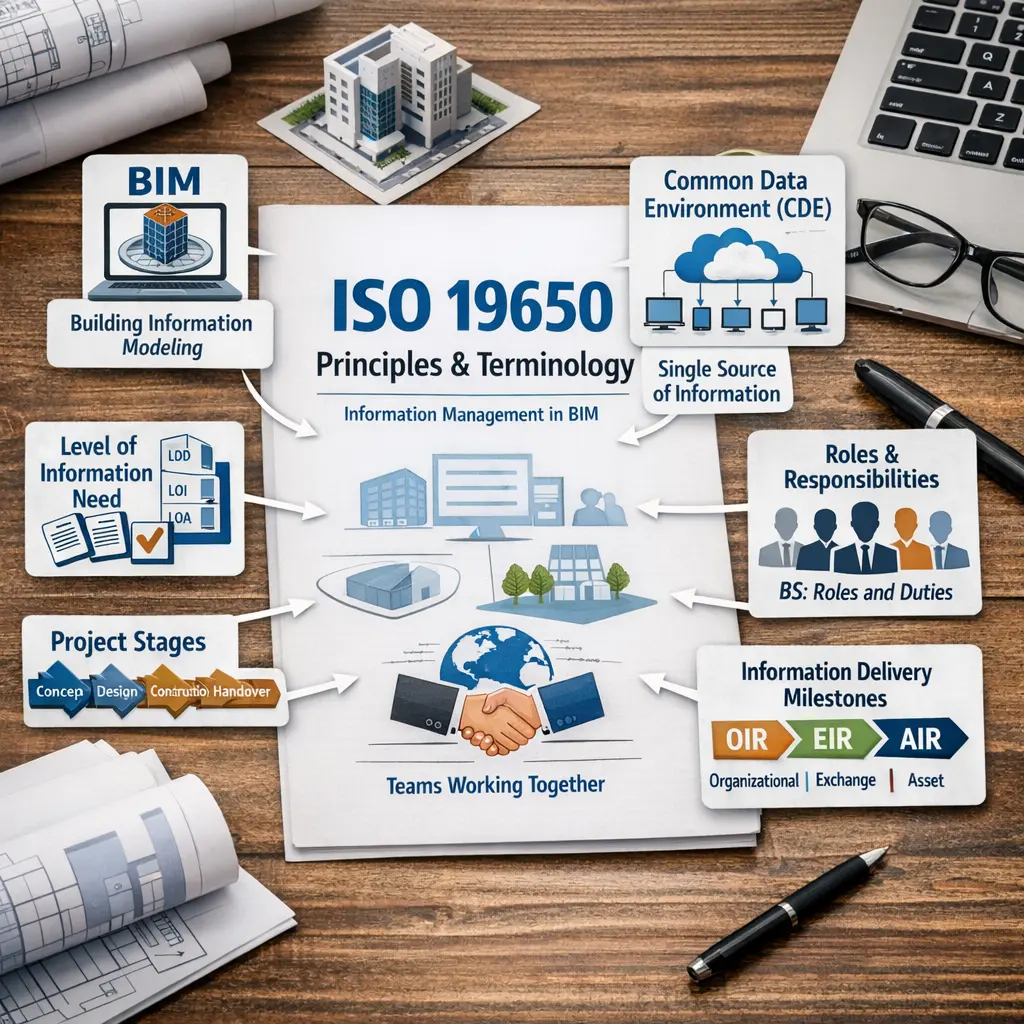
BIM Execution on Infrastructure Projects involves using Building Information Modeling (BIM) to digitally plan, design, and manage construction information throughout a project’s lifecycle. Digital applications facilitate collaboration among stakeholders, streamline workflows, and enhance data accuracy. This approach enables real-time sharing of 3D models, schedules, and cost data, improving decision-making, reducing errors, and increasing efficiency in infrastructure development, from initial concept to operation and maintenance.
BIM Execution on Infrastructure Projects
BIM Execution on Infrastructure Projects involves using Building Information Modeling (BIM) to digitally plan, design, and manage construction information throughout a project’s lifecycle. Digital applications facilitate collaboration among stakeholders, streamline workflows, and enhance data accuracy. This approach enables real-time sharing of 3D models, schedules, and cost data, improving decision-making, reducing errors, and increasing efficiency in infrastructure development, from initial concept to operation and maintenance.
💡 Key Takeaways
- How BIM supports planning, design, construction, and operation of infrastructure projects.
- How BIM fosters multidisciplinary collaboration and clash-free coordination on large infrastructure works.
- The role of standards and governance (BEP, LOD, IFC) for effective infrastructure BIM.
- How BIM enables 4D scheduling, 5D cost estimation, and asset information management for infrastructure delivery.
❓ Frequently Asked Questions
What is BIM for infrastructure projects?
BIM for infrastructure uses intelligent 3D models to plan, design, build, and operate civil projects (roads, bridges, tunnels, utilities). It integrates design data across disciplines and across the project lifecycle to improve collaboration, clash detection, and asset information management.
What is a BIM Execution Plan (BEP) and why is it essential for infrastructure projects?
A BEP defines project goals, standards, workflows, roles, deliverables, and milestones. It establishes how information will be created, shared, and maintained, ensuring all stakeholders work consistently and efficiently from start to finish.
What is the Common Data Environment (CDE) and how is it used in BIM on infrastructure projects?
A CDE is a centralized, controlled digital workspace for storing and managing project documents and models. It enforces data ownership, permissions, naming conventions, and version control so teams access the latest, reliable information.
What are 4D and 5D BIM, and why do they matter for infrastructure delivery?
4D BIM links the model to the construction schedule (time), while 5D BIM links to cost data (budget). These capabilities help plan sequencing, optimize resources, detect clashes with timelines and budgets, and improve project performance.