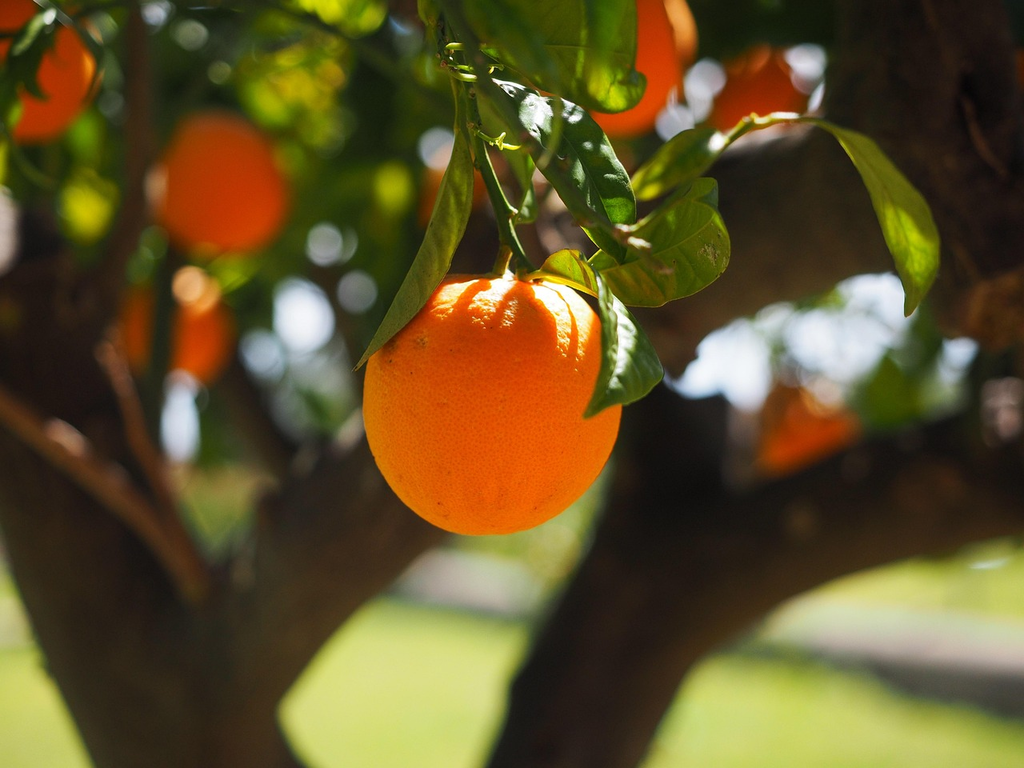
The biochemistry of cherry flavors involves a complex interplay of natural compounds such as anthocyanins, responsible for color, and volatile organic compounds like benzaldehyde, which imparts the characteristic almond-like aroma. In fresh fruits like cherries and oranges, sugars, organic acids, and esters contribute to the sweet-tart taste profile. Enzymatic reactions during ripening enhance these flavors, while the balance of these molecules defines the distinctive freshness and appeal of the fruit.
Biochemistry of Cherry Flavors
The biochemistry of cherry flavors involves a complex interplay of natural compounds such as anthocyanins, responsible for color, and volatile organic compounds like benzaldehyde, which imparts the characteristic almond-like aroma. In fresh fruits like cherries and oranges, sugars, organic acids, and esters contribute to the sweet-tart taste profile. Enzymatic reactions during ripening enhance these flavors, while the balance of these molecules defines the distinctive freshness and appeal of the fruit.

💡 Key Takeaways
- Identify key volatile compounds that give cherry flavor (e.g., benzaldehyde and cherry-associated esters) and their sensory notes.
- Describe how the lipoxygenase pathway and subsequent enzymes generate cherry aroma volatiles during ripening.
- Explain how sugar levels, organic acids, and pH influence cherry flavor perception and aroma release.
- Discuss how processing, storage, and oxidation can alter cherry flavor compounds and the overall aroma profile.
❓ Frequently Asked Questions
What compounds primarily give cherry flavor?
The hallmark is benzaldehyde, which provides the characteristic cherry/almond aroma. Cherry flavor also comes from a mix of other volatiles such as esters (fruity notes) and alcohols that together shape the sweet, fruity profile.
How is cherry flavor formed in fruit and during processing?
In cherries, flavor arises from enzymatic and chemical reactions that generate volatile compounds as the fruit ripens. During processing, heat and crushing release these volatiles, producing the familiar cherry aroma.
What factors influence how cherry flavor is perceived in a product?
Sweetness, acidity, and aroma compounds all shape perception. Higher sugar can enhance aroma release and soften acidity, while pH and storage conditions affect volatility and stability of the flavor compounds.
What is the difference between natural cherry flavor and artificial cherry flavor?
Natural cherry flavor is derived from actual cherry ingredients and their complex mix of compounds. Artificial cherry flavor often relies on benzaldehyde plus selected esters to imitate the cherry aroma, sometimes with fewer compounds than a real cherry offers.