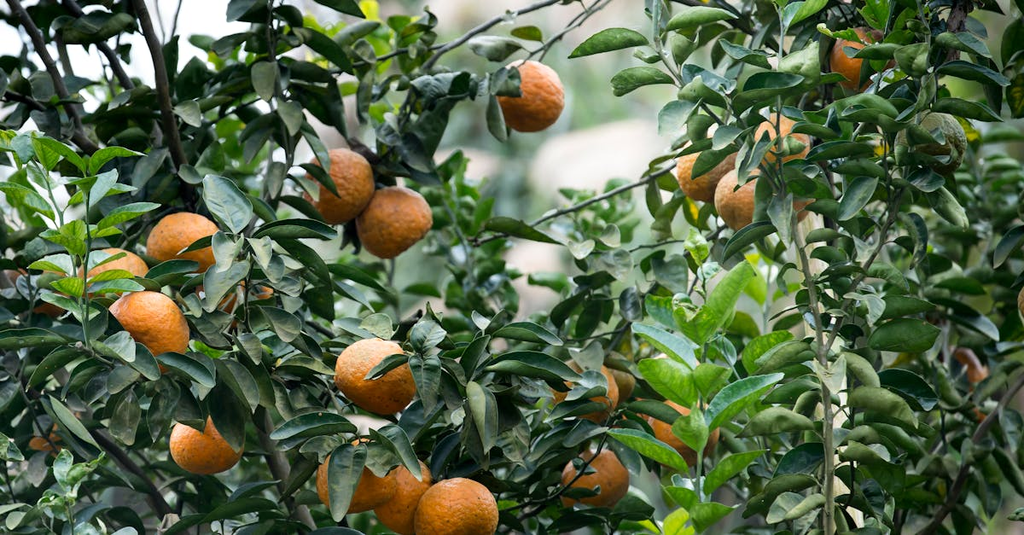
The biochemistry of orange flavors involves a complex interplay of volatile compounds, primarily terpenes like limonene and aldehydes such as octanal, which give oranges their characteristic citrus aroma. Sugars, organic acids, and phenolics also contribute to the sweet-tart taste and freshness. In cherries, benzaldehyde and alcohols dominate, adding almond-like and fruity notes. Together, these molecules define the distinctive, refreshing flavor profiles of fresh oranges and cherries.
Biochemistry of Orange Flavors
The biochemistry of orange flavors involves a complex interplay of volatile compounds, primarily terpenes like limonene and aldehydes such as octanal, which give oranges their characteristic citrus aroma. Sugars, organic acids, and phenolics also contribute to the sweet-tart taste and freshness. In cherries, benzaldehyde and alcohols dominate, adding almond-like and fruity notes. Together, these molecules define the distinctive, refreshing flavor profiles of fresh oranges and cherries.
💡 Key Takeaways
- Identify the main compounds that give orange flavor, including limonene as the dominant citrus aroma and modifiers such as valencene and ethyl esters like ethyl butyrate.
- Explain how orange flavors are produced in plants through terpenoid biosynthesis and how carotenoid-derived notes (e.g., beta-ionone) contribute to deeper aroma profiles.
- Describe how processing and storage (peeling, juicing, heating, and oxidation) alter the volatile profile and intensity of orange flavor.
- Apply flavor chemistry to product development by considering how aroma compounds interact with sweetness and acidity to shape perception and how to preserve orange notes in beverages and foods.
❓ Frequently Asked Questions
What compounds primarily give orange flavor?
The dominant volatile is limonene in orange oils, with other contributors such as valencene, linalool, myrcene, sabinene, and ocimene that add sweet, floral, and citrus notes.
What role does limonene play in orange aroma?
Limonene provides the characteristic fresh, zesty orange scent; it is highly volatile and largely shapes aroma, though its taste impact at typical levels is limited.
How are orange aroma compounds formed in citrus plants?
Orange aromas come from terpenes produced via the mevalonate and MEP pathways. Enzymes convert precursors like GPP into limonene and valencene, while other enzymes oxidize them to create a range of volatiles.
How do peel oils differ from orange juice flavor, and how does processing affect them?
Peel oils are rich in limonene and valencene and provide a strong citrus scent, while juice flavor relies more on soluble compounds and different volatiles. Processing, storage, and heat can reduce volatile compounds and alter aroma intensity.