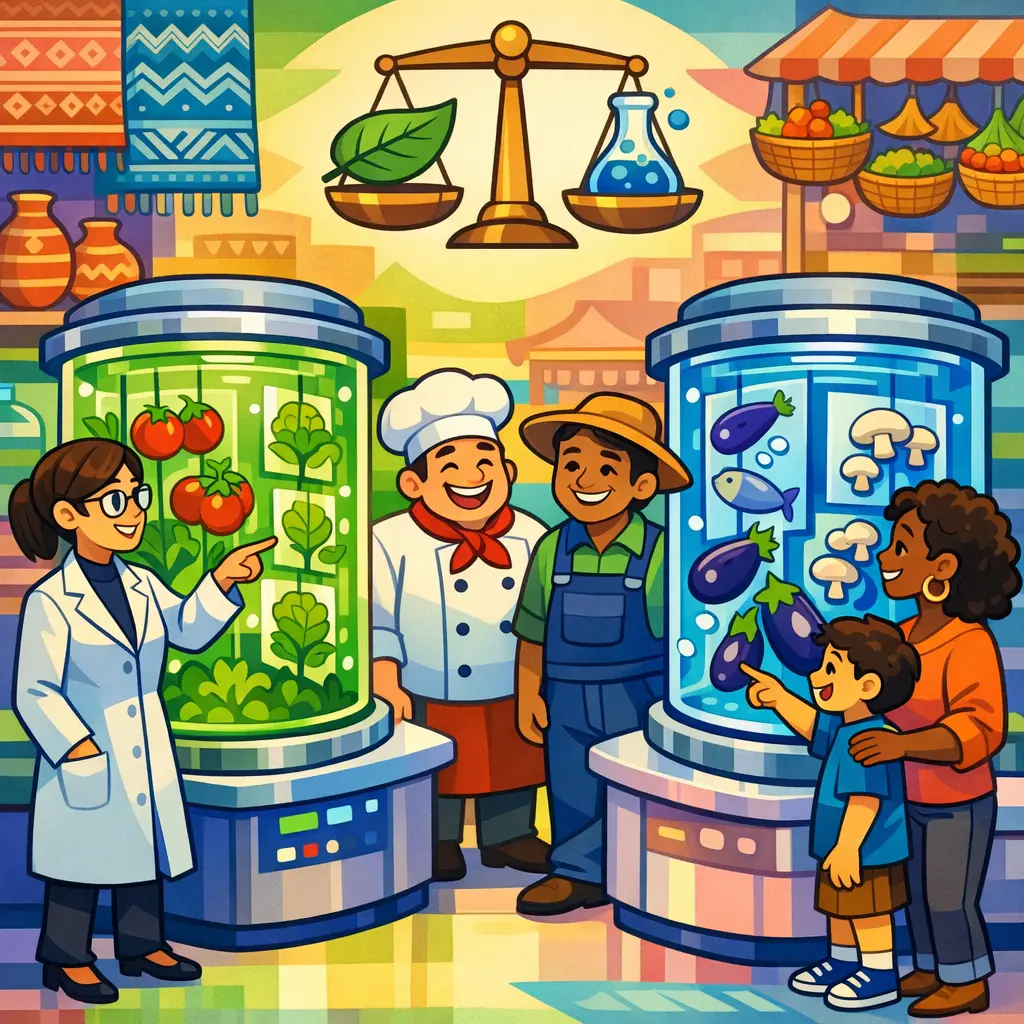
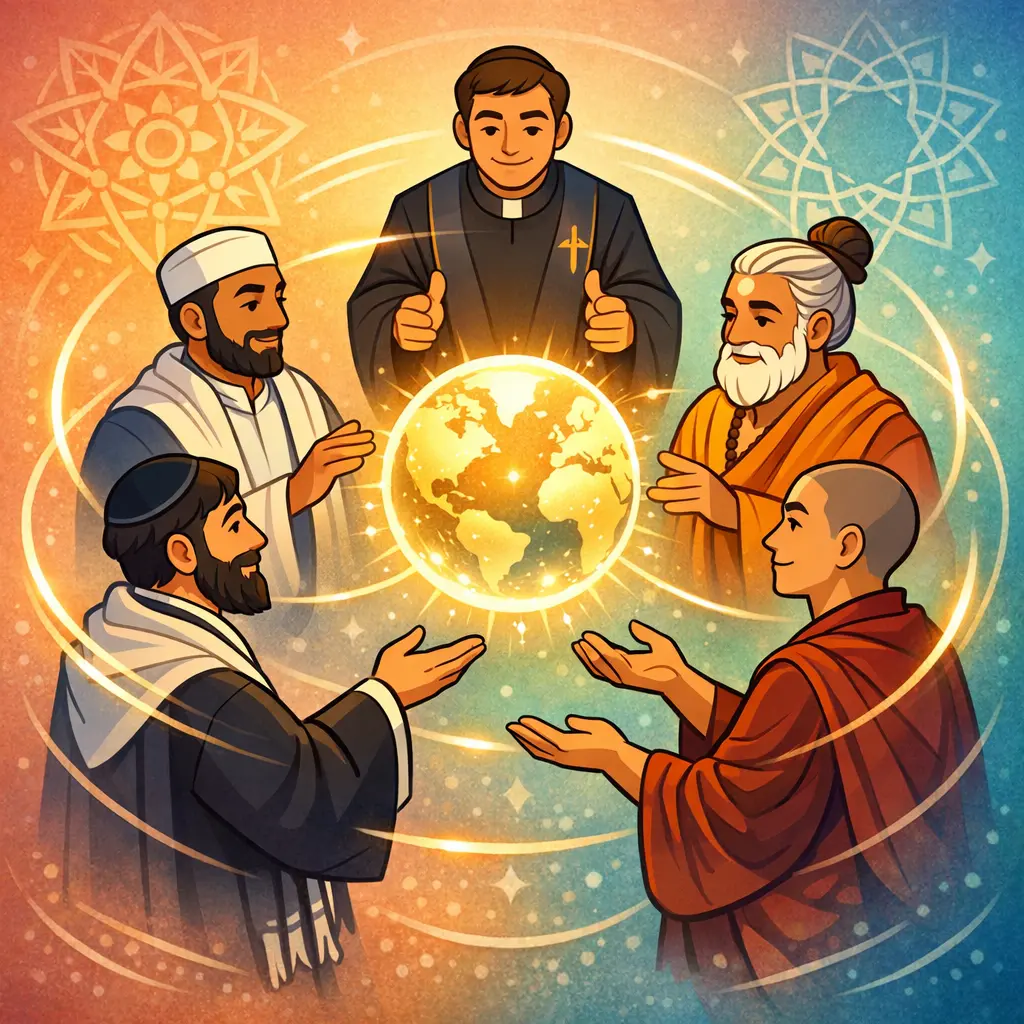
This phrase explores the intersection of ethical questions in biology and medicine (bioethics), the governance of life and bodies (biopolitics), and the influence of diverse religious perspectives. It examines how cultural and religious worldviews shape debates on medical practices, biotechnology, and public health policies, highlighting the complex ways society negotiates moral boundaries and authority in science, healthcare, and the regulation of human life.
Bioethics, Biopolitics & Religious Worldviews
This phrase explores the intersection of ethical questions in biology and medicine (bioethics), the governance of life and bodies (biopolitics), and the influence of diverse religious perspectives. It examines how cultural and religious worldviews shape debates on medical practices, biotechnology, and public health policies, highlighting the complex ways society negotiates moral boundaries and authority in science, healthcare, and the regulation of human life.
💡 Key Takeaways
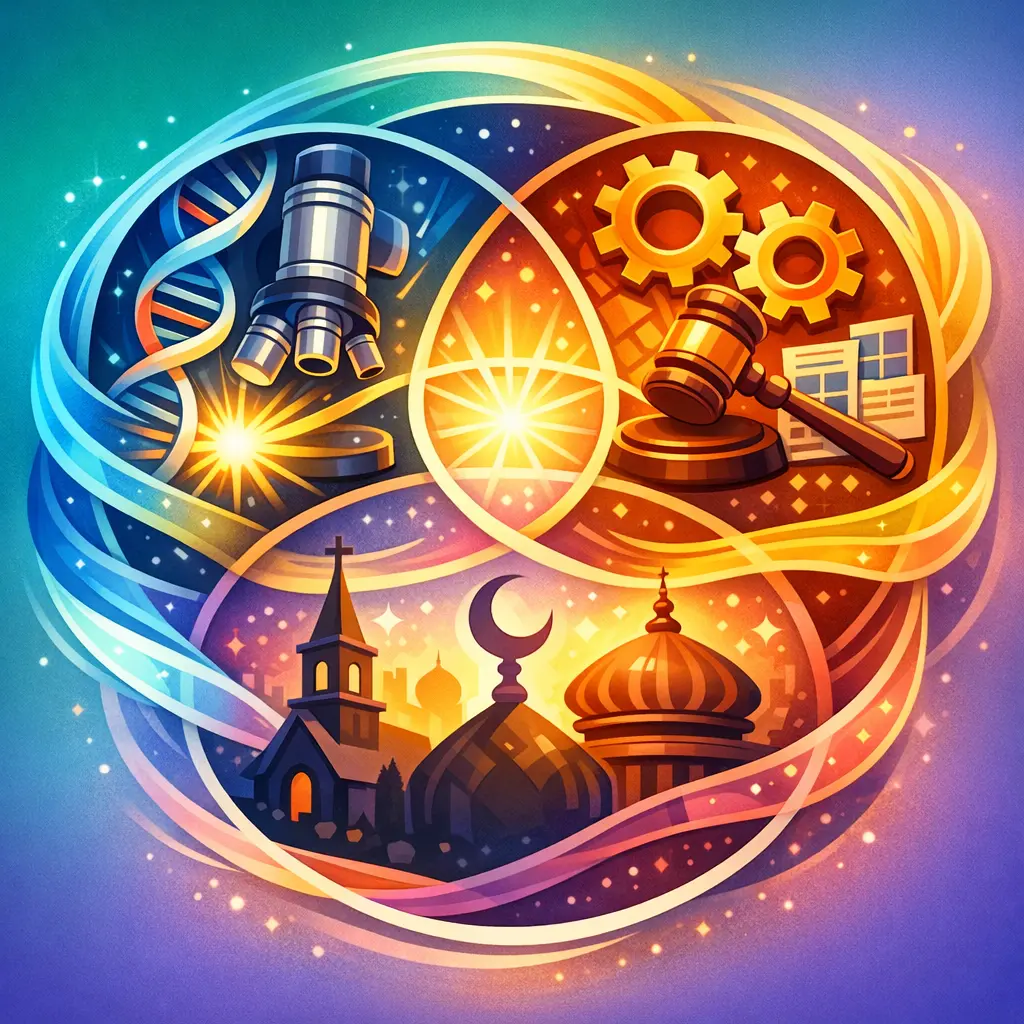
- Explain the core aims of bioethics in medicine and biology, including autonomy, beneficence, non-maleficence, and justice, and how they guide decision-making.
- Describe biopolitics as the governance of life and bodies through policy, law, and institutions, and its implications for public health and individual rights.
- Identify major religious and cultural perspectives that influence debates over medical practices and biotechnology, such as end-of-life care, contraception, and gene editing.
- Analyze how cultural and religious worldviews shape policy, practice, and public discourse in healthcare and biotechnology, and develop respectful, inclusive approaches to dialogue.
❓ Frequently Asked Questions
What is bioethics and why does it matter in biology and medicine?
Bioethics studies ethical issues arising from biology, medicine, and research, guiding decisions to protect patient welfare, consent, privacy, and fairness.
What is biopolitics?
Biopolitics refers to how governments and institutions regulate life and bodies through health policies, reproduction, surveillance, and resource distribution.
How do religious worldviews influence debates on medical practices and biotechnology?
Religious beliefs provide moral frameworks about life's value, suffering, and dignity, shaping positions on therapies, organ donation, contraception, stem cell research, gene editing, and policy.
How do cultural values shape ethical decision-making in healthcare?
Culture affects autonomy, family involvement, concepts of suffering, and trust in medicine, influencing end-of-life choices and acceptance of new technologies.
What ethical frameworks guide bioethics discussions?
Key frameworks include principlism (autonomy, beneficence, non-maleficence, justice), virtue ethics, care ethics, and approaches that integrate culture and religion into analysis.