Biomechanical analysis involves studying human movement and body mechanics to understand how muscles, bones, and joints work together during physical activities. Force plates are specialized devices used in this analysis to measure the forces exerted by the body on the ground during movements like walking, running, or jumping. By combining biomechanical analysis with force plate data, researchers and clinicians can assess performance, identify movement inefficiencies, and prevent injuries.
Biomechanical Analysis & Force Plates
Biomechanical analysis involves studying human movement and body mechanics to understand how muscles, bones, and joints work together during physical activities. Force plates are specialized devices used in this analysis to measure the forces exerted by the body on the ground during movements like walking, running, or jumping. By combining biomechanical analysis with force plate data, researchers and clinicians can assess performance, identify movement inefficiencies, and prevent injuries.
💡 Key Takeaways
- Understand how biomechanical analysis examines how muscles, bones, and joints work together during movement.
- Learn what force plates measure—ground reaction forces—and when those measurements are collected (e.g., walking, running, jumping).
- Identify key force-plate metrics such as ground reaction force, center of pressure trajectory, and loading rates, and what they reveal about performance and risk.
- Explore how biomechanical analysis and force-plate data are used in sports training, injury prevention, rehabilitation, and equipment design.
❓ Frequently Asked Questions
What is biomechanical analysis in fitness and sports?
It studies how the body moves and how muscles, bones, and joints work together during activities to improve performance and reduce injury risk.
What is a force plate and what does it measure?
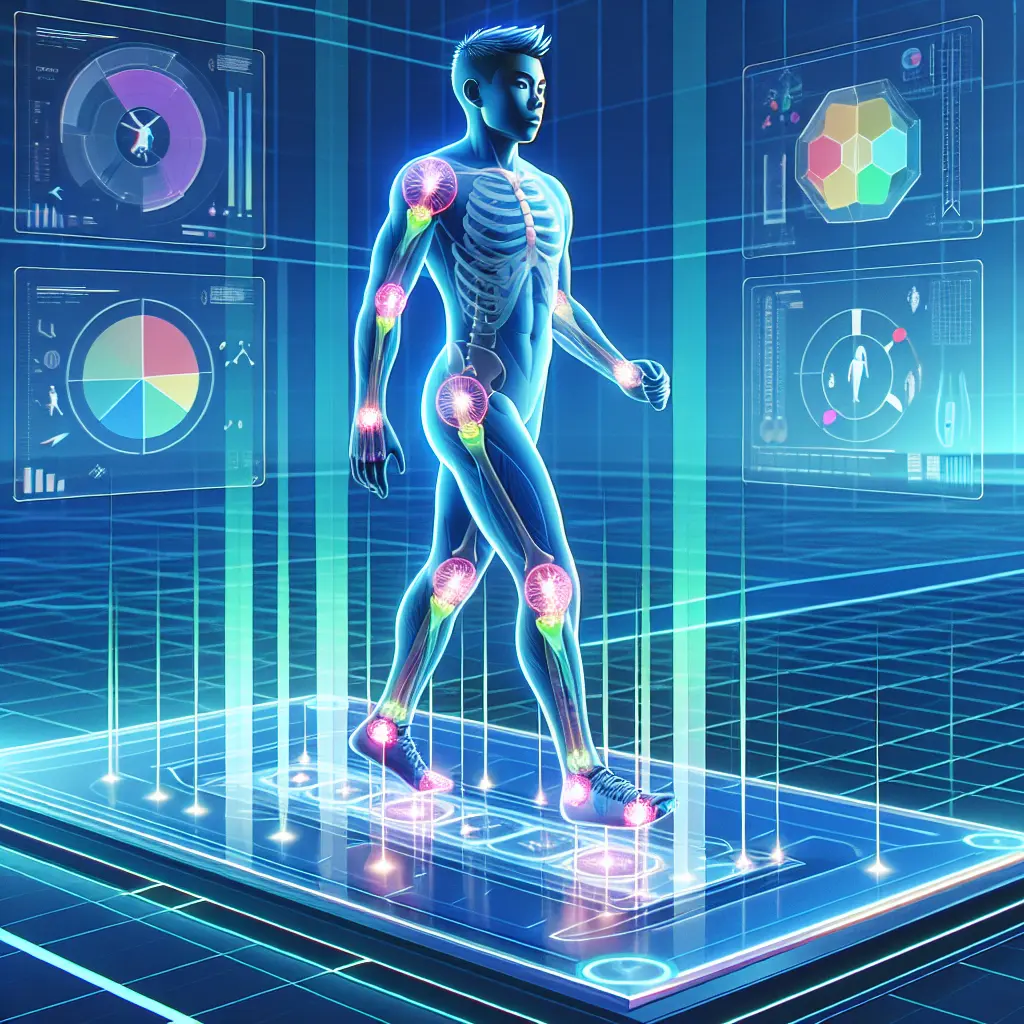
A force plate is a sensor-equipped platform that measures ground reaction forces in three directions and the center of pressure, used to analyze loads during movements like walking, running, and jumping.
What is ground reaction force and why is it useful?
Ground reaction force is the force the ground exerts on the body during contact. Analyzing it helps assess loading patterns, technique, and injury risk.
What is the center of pressure and how is it used?
The center of pressure is the moving point where the resultant ground reaction force acts under the foot, used to evaluate balance, gait, and posture control.