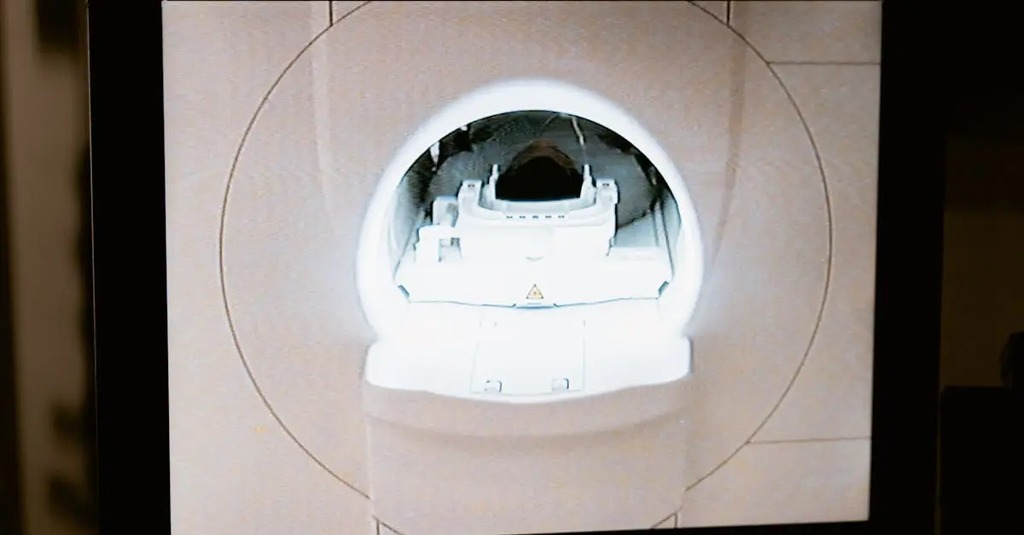
Biomedical Engineering in hospitals involves applying engineering principles to healthcare, focusing on designing, developing, and maintaining medical equipment and technologies. Professionals in this field work closely with doctors and nurses to ensure devices like MRI machines, ventilators, and diagnostic tools function safely and effectively. They play a vital role in improving patient care, advancing medical research, and supporting clinical procedures, making it a crucial career within healthcare and medicine.
Biomedical Engineering in Hospitals
Biomedical Engineering in hospitals involves applying engineering principles to healthcare, focusing on designing, developing, and maintaining medical equipment and technologies. Professionals in this field work closely with doctors and nurses to ensure devices like MRI machines, ventilators, and diagnostic tools function safely and effectively. They play a vital role in improving patient care, advancing medical research, and supporting clinical procedures, making it a crucial career within healthcare and medicine.
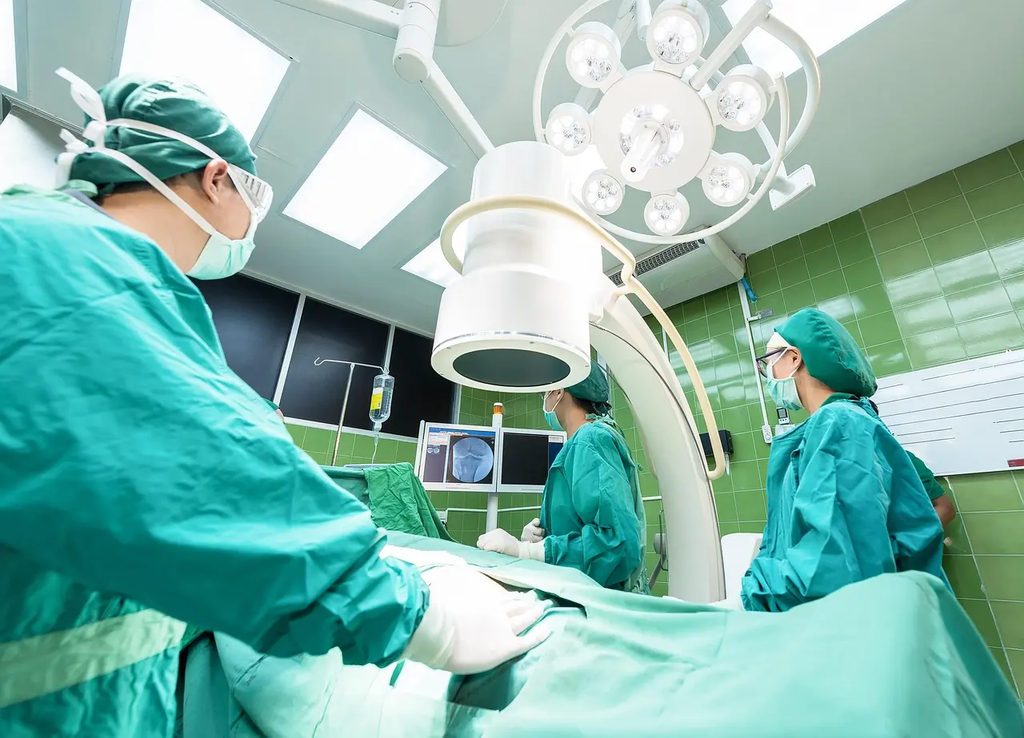
💡 Key Takeaways
- Understand how biomedical engineers apply engineering principles to design, test, and maintain hospital medical devices.
- Learn how they collaborate with doctors and nurses to translate clinical needs into safe, effective equipment.
- Recognize common hospital devices (like MRI machines and ventilators) and the calibration, safety checks, and regulatory requirements they require.
- Explore the equipment lifecycle, including troubleshooting, routine maintenance, upgrades, and decommissioning when devices become obsolete.
❓ Frequently Asked Questions
What is biomedical engineering in hospitals?
It applies engineering principles to healthcare to design, develop, install, and maintain medical equipment and systems, ensuring safety, reliability, and clinical usefulness in patient care.
Which devices do hospital biomedical engineers work with?
They work on MRI and other imaging machines, ventilators, infusion pumps, patient monitors, defibrillators, anesthesia machines, and related software and lab devices—handling calibration, repair, upgrades, and validation.
How do biomedical engineers collaborate with clinicians?
They partner with doctors and nurses to understand clinical needs, test and validate devices, troubleshoot issues, train staff, and implement regular maintenance plans.
How is safety and regulatory compliance ensured?
Engineers follow standards (e.g., FDA, IEC), perform risk analyses, conduct preventive maintenance and calibration, validate software, document procedures, and report incidents as needed.
What training or skills are typical for this field?
A degree in biomedical engineering or a related field, knowledge of electronics and physiology, problem-solving and faultfinding skills, and familiarity with medical device regulations and maintenance practices.