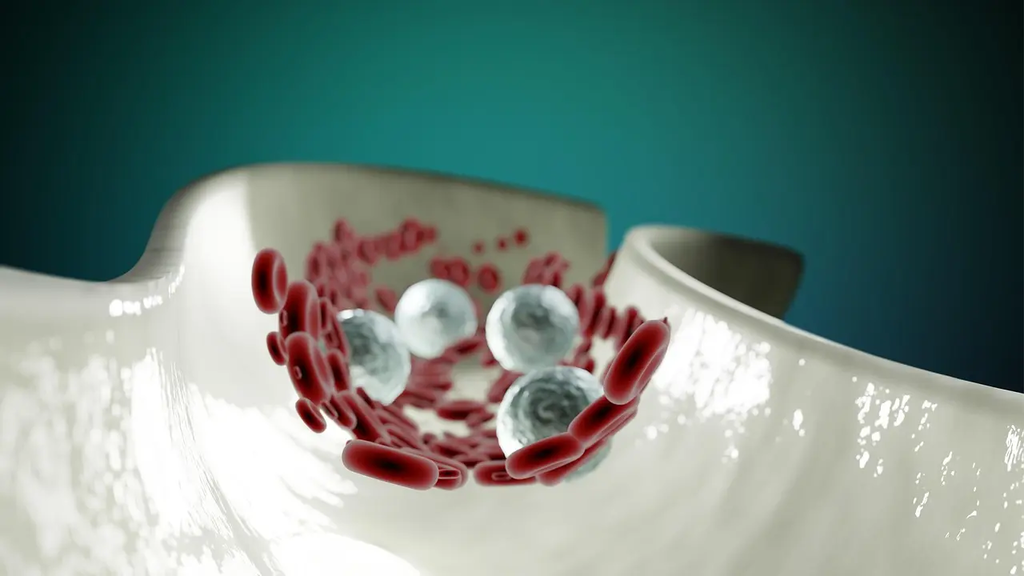
Biomedical Research Techniques (Human Body Basics) refers to the fundamental methods and procedures used to study the human body's structure, function, and processes. These techniques include microscopy, imaging, cell culture, molecular biology, and physiological measurements. They help scientists understand how the body works, identify diseases, and develop treatments. Mastery of these basics is essential for advancing medical knowledge and improving healthcare through evidence-based research and innovation.
Biomedical Research Techniques
Biomedical Research Techniques (Human Body Basics) refers to the fundamental methods and procedures used to study the human body's structure, function, and processes. These techniques include microscopy, imaging, cell culture, molecular biology, and physiological measurements. They help scientists understand how the body works, identify diseases, and develop treatments. Mastery of these basics is essential for advancing medical knowledge and improving healthcare through evidence-based research and innovation.

💡 Key Takeaways
- Recognize common biomedical techniques (e.g., PCR, ELISA, Western blot, cell culture) and their typical uses.
- Understand how proper controls, replication, and randomization shape reliable experiments.
- Grasp basics of data interpretation and introductory biostatistics used in biomedical research.
- Appreciate safety, ethics, and responsible conduct in biomedical laboratories.
❓ Frequently Asked Questions
What is the difference between in vitro and in vivo techniques?
In vitro means outside a living organism (e.g., cell culture or test tubes); in vivo means inside a living organism (e.g., animal studies or clinical trials).
What is PCR and what is it used for in biomedical research?
Polymerase chain reaction amplifies a target DNA sequence to generate enough material for analysis, cloning, or sequencing.
What is ELISA and what information does it provide?
ELISA detects and measures specific proteins or antibodies using antigen–antibody interactions and an enzyme-generated signal, giving quantitative or qualitative results.
Why are proper controls important in biomedical experiments?
Controls provide a baseline and help confirm that observed effects are due to the tested variable, not contamination, random variation, or technical errors.