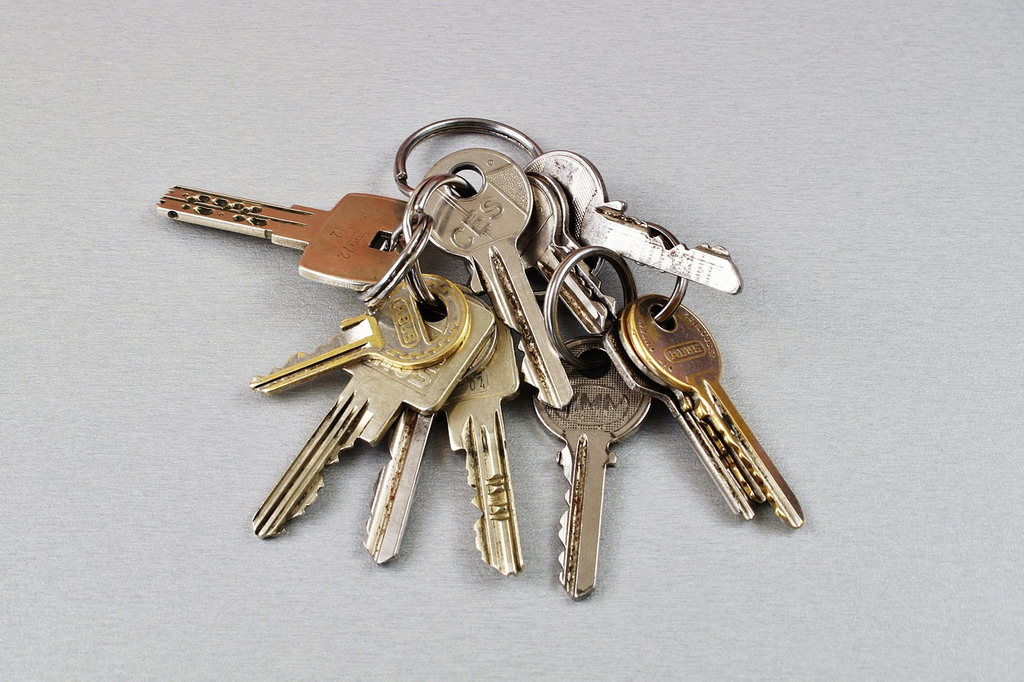
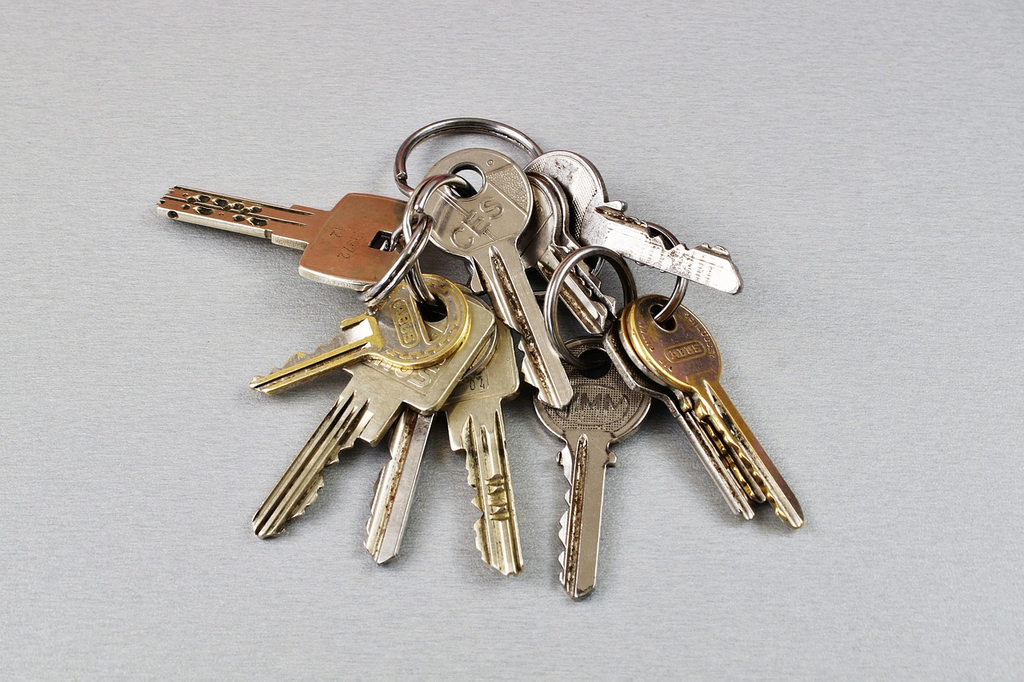
Biometric Key Systems in the context of daily essentials like clocks and keys refer to security mechanisms that use unique biological traits—such as fingerprints or facial recognition—to grant access or perform functions. These systems replace traditional keys or passwords, enhancing convenience and security in everyday items. For example, a biometric clock may unlock or activate only for authorized users, ensuring personalized access and reducing the risk of unauthorized entry or use.
Biometric Key Systems
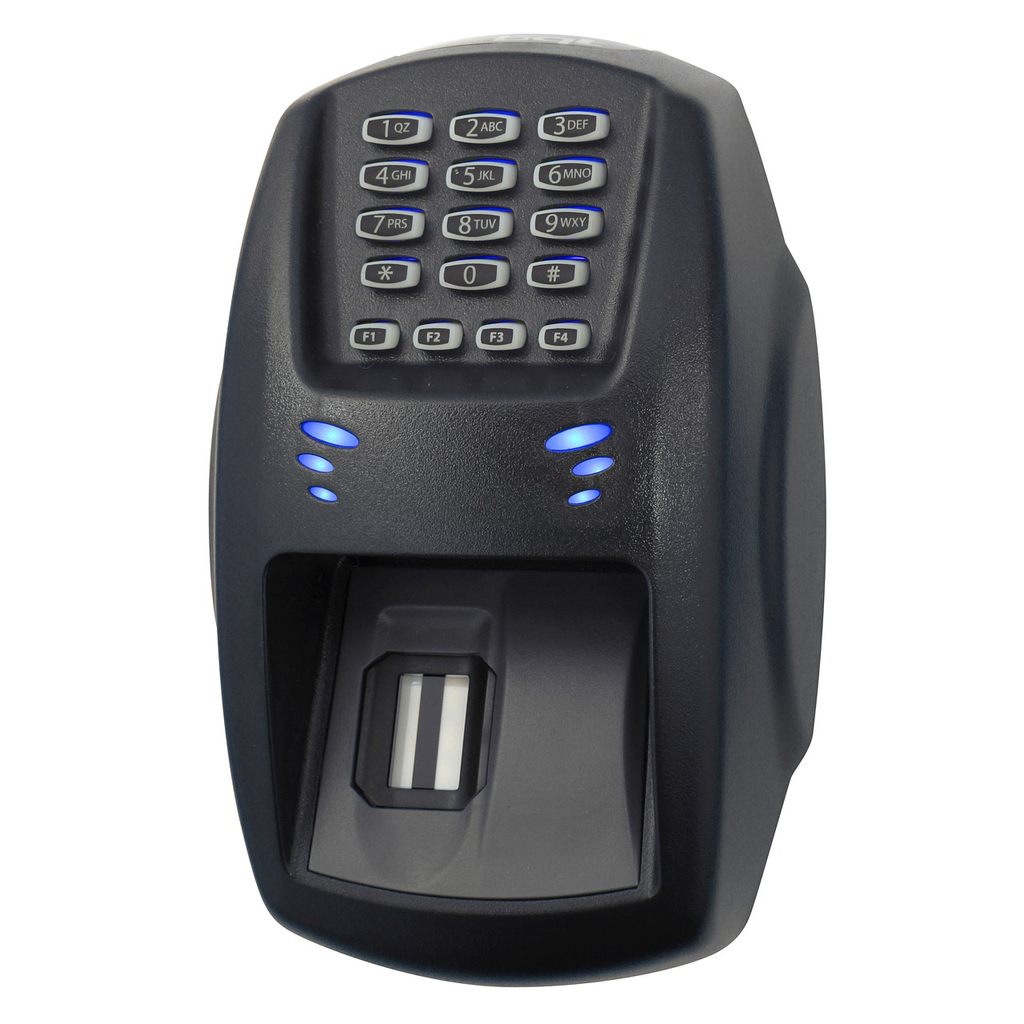
Biometric Key Systems in the context of daily essentials like clocks and keys refer to security mechanisms that use unique biological traits—such as fingerprints or facial recognition—to grant access or perform functions. These systems replace traditional keys or passwords, enhancing convenience and security in everyday items. For example, a biometric clock may unlock or activate only for authorized users, ensuring personalized access and reducing the risk of unauthorized entry or use.
💡 Key Takeaways
- Define biometric key systems and how they use unique physical or behavioral traits as keys.
- Review common biometric modalities (fingerprint, facial recognition, iris, voice) and when each is most effective.
- Explain enrollment, feature extraction, template storage, and matching to enable password-less authentication without exposing secret data.
- Consider security and privacy implications: spoofing risks, liveness checks, template protection, and procedures for revoking or recovering access.
❓ Frequently Asked Questions
What is a biometric key system?
A security approach that uses a person’s unique biometric traits to generate, bind, or unlock cryptographic keys or grant access, reducing reliance on passwords.
How do biometric keys work in practice?
A biometric sample is captured and transformed into a feature template. A cryptographic key is generated from or bound to that template. On authentication, a matching sample releases the key or grants access.
What biometric modalities are commonly used?
Fingerprint, facial recognition, iris, voice, and behavioral patterns (like typing rhythm). Some systems combine multiple modalities for stronger security.
What are the main security and privacy considerations?
Biometric data is sensitive and often non-revocable. Use secure storage (encrypted templates, on-device processing), protect against spoofing, and provide fallback authentication options.