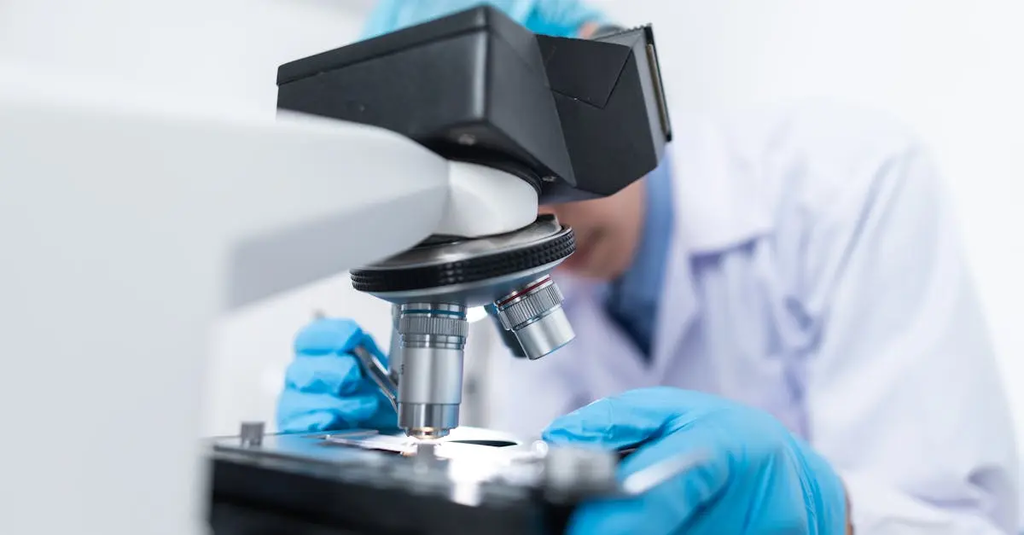
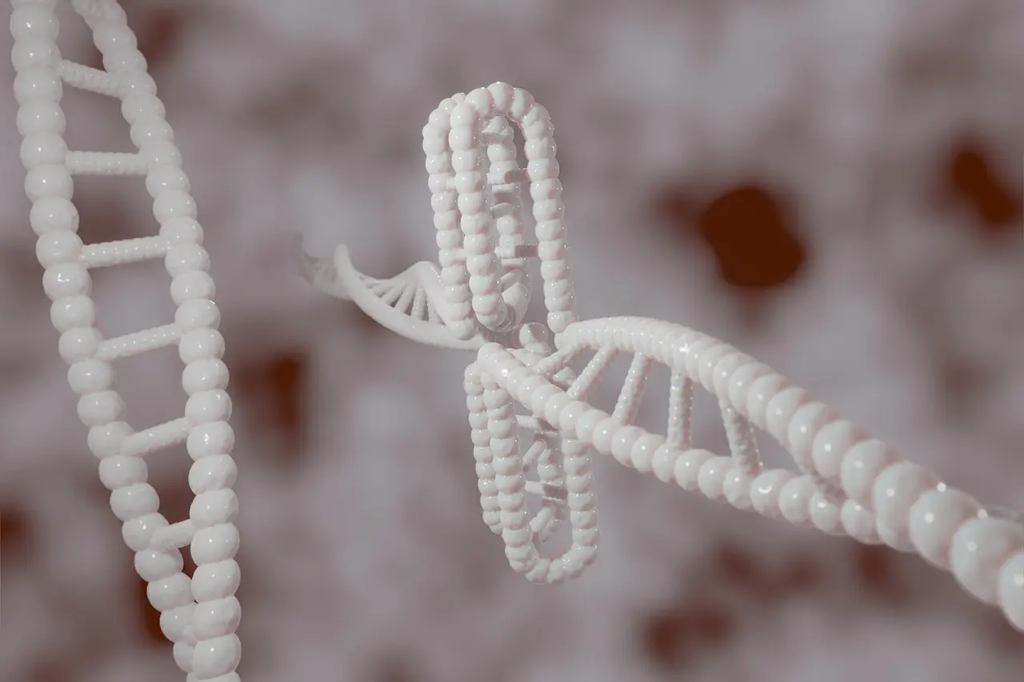
Biotechnology and genetic engineering involve the manipulation of living organisms or their components to develop useful products or solve problems. Biotechnology uses biological processes for industrial, medical, or agricultural purposes, while genetic engineering specifically refers to the direct modification of an organism's DNA. Together, these fields enable advancements such as improved crop varieties, innovative medical treatments, and environmentally friendly solutions, revolutionizing industries and enhancing quality of life.
Biotechnology and Genetic Engineering
Biotechnology and genetic engineering involve the manipulation of living organisms or their components to develop useful products or solve problems. Biotechnology uses biological processes for industrial, medical, or agricultural purposes, while genetic engineering specifically refers to the direct modification of an organism's DNA. Together, these fields enable advancements such as improved crop varieties, innovative medical treatments, and environmentally friendly solutions, revolutionizing industries and enhancing quality of life.
💡 Key Takeaways
- Explain how biotechnology uses living processes and how genetic engineering directly modifies genes.
- Describe major applications in industry, medicine, and agriculture.
- Name common techniques and tools used in biotech and gene editing (e.g., CRISPR, cloning, enzymes).
- Discuss safety, ethical, and regulatory considerations in biotech research and applications.
- Consider potential future impacts and responsible use of biotechnology.
❓ Frequently Asked Questions
What is biotechnology?
Biotechnology is the use of living organisms or their components to develop useful products or solve problems, often by applying biological processes in industry, medicine, or agriculture.
What is genetic engineering?
Genetic engineering is a subset of biotechnology that directly modifies an organism's genes to achieve new traits or capabilities, using tools like gene editing (e.g., CRISPR) and gene insertion.
How are biotechnology and genetic engineering different?
Biotechnology is the broad field applying biological processes, while genetic engineering is a specific technique that directly alters genetic material.
What are common applications of biotechnology?
Developing medicines, improving crops, producing industrial enzymes, and creating diagnostic tools.