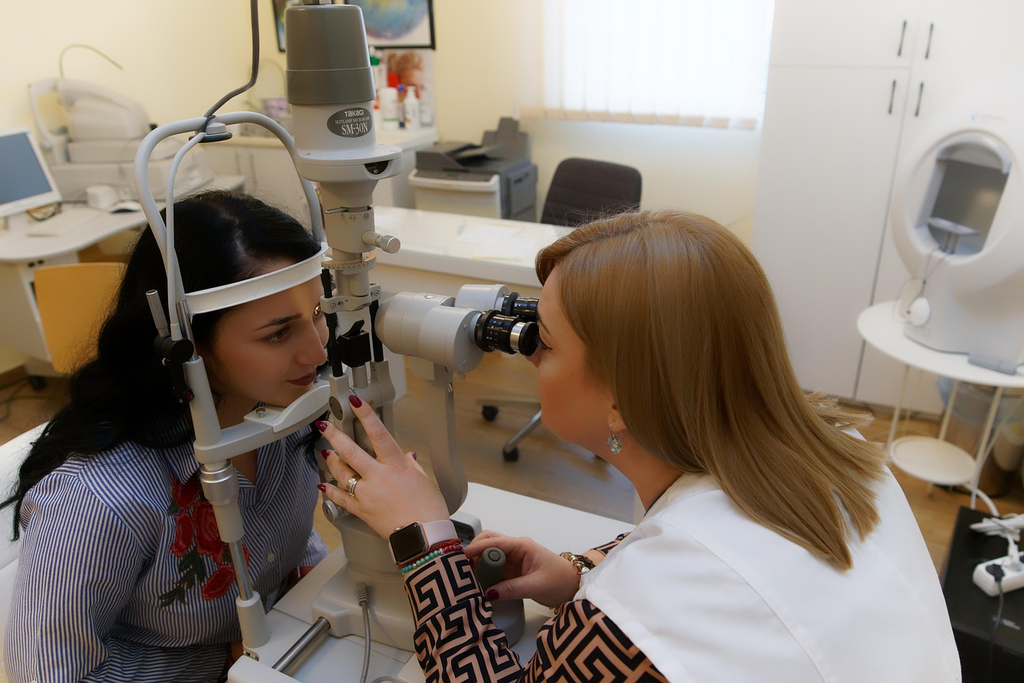
Blinking patterns refer to the frequency, duration, and rhythm of eyelid movements, often revealing emotional and psychological states. Rapid blinking can indicate anxiety, stress, or excitement, while slow or infrequent blinking may suggest relaxation or deep concentration. In the context of body signals, these patterns, along with heart rate changes, provide insights into a person’s feelings, intentions, and reactions, serving as subtle cues in nonverbal communication.
Blinking Patterns+50
Blinking patterns refer to the frequency, duration, and rhythm of eyelid movements, often revealing emotional and psychological states. Rapid blinking can indicate anxiety, stress, or excitement, while slow or infrequent blinking may suggest relaxation or deep concentration. In the context of body signals, these patterns, along with heart rate changes, provide insights into a person’s feelings, intentions, and reactions, serving as subtle cues in nonverbal communication.
💡 Key Takeaways
- Understand what blinking patterns are and how they vary by context (resting, concentration, or screen use).
- Know the normal blinking rate and factors that influence it (fatigue, environment, and eye moisture).
- Identify signs of abnormal blinking or related eye conditions that may require medical advice.
- Learn practical tips to maintain healthy blinking and reduce eye strain during tasks.
❓ Frequently Asked Questions
What is a normal blinking pattern?
Blinks occur about 12–15 times per minute at rest. Blinking keeps the eyes lubricated and protected, and the rate can change with reading, screen time, or conversation.
How does blinking relate to attention and fatigue?
Blink rate often decreases during intense focus and increases when tired, distracted, or dry-eyed. Regular breaks can help normalize blinking.
What factors can change how often you blink?
Screen use, dry eye, weather, allergies, contact lenses, caffeine or medications, and emotional states can all affect blinking patterns.
When should you seek medical advice about blinking changes?
If blinking becomes frequent, uncontrollable, or painful, or you notice vision changes, redness, or eyelid twitching lasting several weeks, consult an eye care professional.