Blizzard forecasting involves predicting severe winter storms characterized by heavy snowfall, strong winds, and low visibility. Accurate forecasts are crucial for public safety, allowing authorities and transportation agencies to prepare and respond effectively. Blizzard conditions often lead to major transportation disruptions, such as road closures, flight cancellations, and delayed rail services. These disruptions can impact supply chains, emergency services, and daily commutes, highlighting the importance of timely and reliable weather predictions.
Blizzard Forecasting and Transportation Disruptions
Blizzard forecasting involves predicting severe winter storms characterized by heavy snowfall, strong winds, and low visibility. Accurate forecasts are crucial for public safety, allowing authorities and transportation agencies to prepare and respond effectively. Blizzard conditions often lead to major transportation disruptions, such as road closures, flight cancellations, and delayed rail services. These disruptions can impact supply chains, emergency services, and daily commutes, highlighting the importance of timely and reliable weather predictions.
💡 Key Takeaways
- Identify the key indicators used in blizzard forecasting (heavy snowfall, strong winds, blowing snow, and low visibility) and how meteorologists combine data from models and observations.
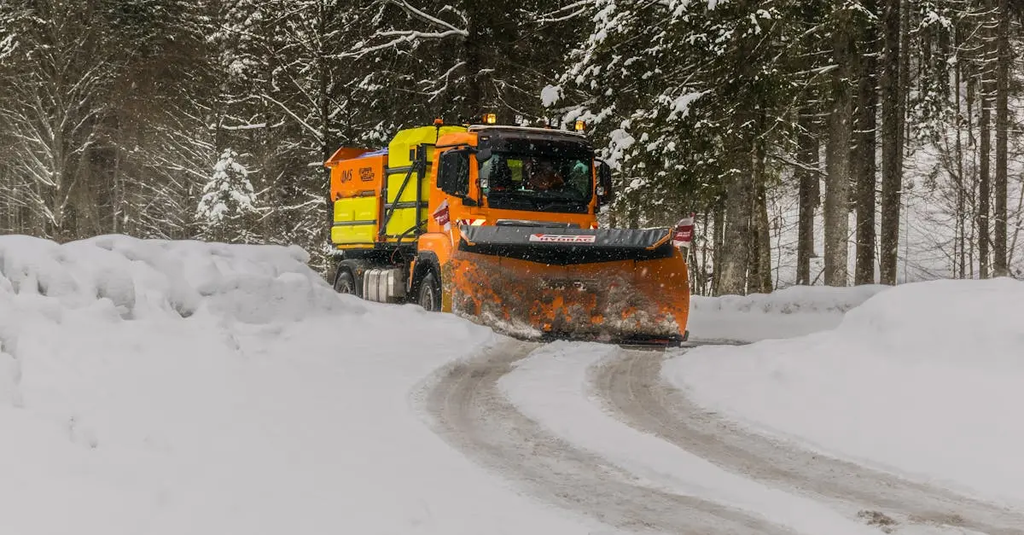
- Explain how accurate blizzard forecasts inform public safety actions and transportation planning, such as road closures, school cancellations, and plow deployment.
- Describe common transportation impacts during blizzards (road closures, flight delays, and hazardous driving conditions) and the mitigation strategies used by agencies.
- Understand forecast uncertainty and the importance of clear, timely communication to the public during blizzard events.
❓ Frequently Asked Questions
What is a blizzard and how is it defined?
A blizzard is a severe winter storm with heavy snowfall, strong winds, and very low visibility. In the U.S., it typically requires sustained or frequent winds of 35 mph (56 km/h) or more and visibility of 1/4 mile (400 meters) or less for at least 3 hours.
What methods are used in blizzard forecasting?
Forecasting uses weather models, current observations (satellite, radar, surface stations), and ensemble forecasts to predict snowfall, wind, and timing, often presenting results as probabilities to express uncertainty.
How do forecasts influence transportation during a blizzard?
Forecasts help authorities issue travel advisories, close or restrict roadways, deploy snowplows and salt, and adjust airline, rail, and freight schedules to reduce hazards and disruptions.
What factors make blizzard forecasts challenging?
Forecasts are challenged by rapid storm development, track shifts, local microclimates, changing wind patterns, and uncertainties in snowfall versus blowing snow timing.