Board games and toy history traces the evolution of playthings and structured games from ancient civilizations to modern times. Early examples include the Egyptian game Senet and Roman knucklebones. Over centuries, games like chess, checkers, and Monopoly emerged, reflecting cultural values and technological advances. Toys evolved from handmade dolls and wooden figures to mass-produced action figures and puzzles, shaping childhood experiences and social interaction across generations.
Board Games and Toy History
Board games and toy history traces the evolution of playthings and structured games from ancient civilizations to modern times. Early examples include the Egyptian game Senet and Roman knucklebones. Over centuries, games like chess, checkers, and Monopoly emerged, reflecting cultural values and technological advances. Toys evolved from handmade dolls and wooden figures to mass-produced action figures and puzzles, shaping childhood experiences and social interaction across generations.
💡 Key Takeaways
- Trace how ancient games like Senet and knucklebones laid the groundwork for later board games.
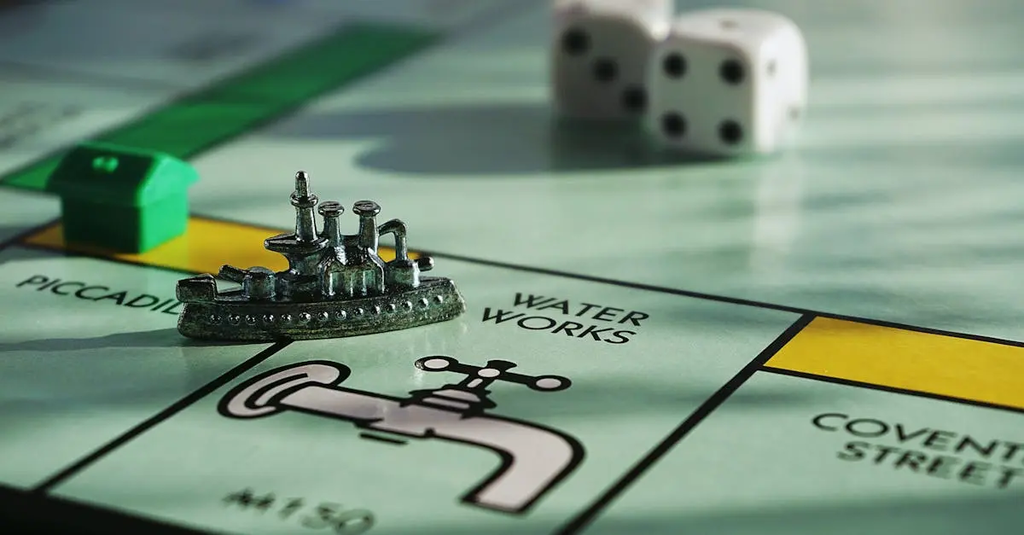
- Explore how milestones such as chess, checkers, and Monopoly reveal changing ideas about strategy, luck, and economic life.
- See how advances in materials and manufacturing technology shaped game design and production across history.
- Understand how board games and toys reflect the cultures and values of the eras in which they were created.
❓ Frequently Asked Questions
What is Senet and why is it important in board game history?
Senet is an ancient Egyptian board game dating to around 3100 BCE. Played on a 3×10 grid with moves determined by throwing sticks or dice, it’s one of the oldest known board games and shows early play and ritual use.
What were knucklebones used for in ancient games?
Knucklebones (astragali) were small animal ankle bones used as dice or game pieces in Greece and Rome, forming some of the earliest dice-based and counting games.
Where did chess originate and how did it become the modern game?
Chess originated in India as chaturanga around the 6th century CE, spread to Persia and Europe, and was standardized to the modern rules by the 19th century, becoming a key strategic game worldwide.
What is the origin of Monopoly and what does it reflect?
Monopoly rose to prominence in the 1930s in the United States, evolving from earlier property-trading games. It reflects themes of real estate, capitalism, and luck, aided by mass production and widespread distribution.
How have board games evolved with technology and culture?
Games moved from carved and painted boards to mass-produced cards and pieces, and now include digital apps and online play, reflecting advances in manufacturing, communication, and changing cultural interests.