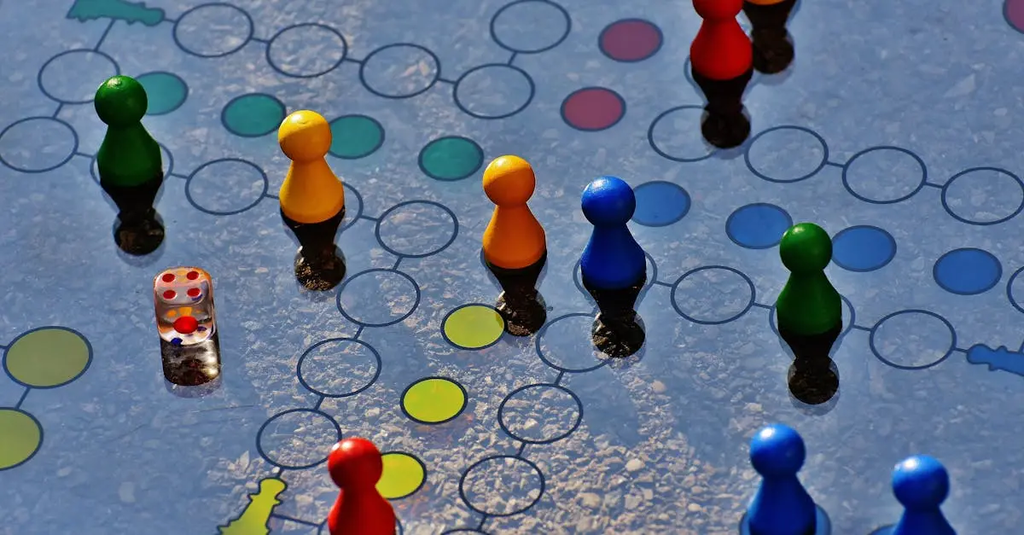
Board games are tabletop games that involve counters or pieces moved or placed on a pre-marked surface or board, according to a set of rules. They are designed for multiple players, fostering social interaction and strategic thinking. Classic examples include chess, Monopoly, and Scrabble. Board games can be based on skill, chance, or a combination of both, and they appeal to various age groups, making them popular for family and group entertainment.
Board Games+45
Board games are tabletop games that involve counters or pieces moved or placed on a pre-marked surface or board, according to a set of rules. They are designed for multiple players, fostering social interaction and strategic thinking. Classic examples include chess, Monopoly, and Scrabble. Board games can be based on skill, chance, or a combination of both, and they appeal to various age groups, making them popular for family and group entertainment.
💡 Key Takeaways
- Understand the core components of a board game: board, pieces, and rules.
- Learn how turns and goals drive strategy and determine the winner.
- Appreciate how board games encourage social interaction and strategic thinking among players.
- Identify classic examples such as chess, Monopoly, and Scrabble and the different game styles they represent.
❓ Frequently Asked Questions
What is a board game?
A tabletop game played on a pre-marked board with pieces or counters moved according to a set of rules, usually by multiple players.
What elements typically define a board game?
A playing surface (board), pieces or counters, and rules that guide turns and outcomes; many include dice, cards, or timers.
What are some classic examples of board games?
Chess, Monopoly, and Scrabble are well-known examples spanning strategy, commerce, and word play.
What benefits do board games offer?
They foster social interaction and can sharpen strategic thinking, planning, problem-solving, and concentration.