Body organs are specialized structures within living organisms that perform distinct and vital functions necessary for survival. Each organ, such as the heart, lungs, liver, kidneys, and brain, carries out specific roles—like circulating blood, exchanging gases, filtering toxins, or processing information. Together, these organs form complex systems that work in harmony to maintain bodily health, regulate processes, and support growth, development, and overall well-being.
Body Organs & Functions
Body organs are specialized structures within living organisms that perform distinct and vital functions necessary for survival. Each organ, such as the heart, lungs, liver, kidneys, and brain, carries out specific roles—like circulating blood, exchanging gases, filtering toxins, or processing information. Together, these organs form complex systems that work in harmony to maintain bodily health, regulate processes, and support growth, development, and overall well-being.
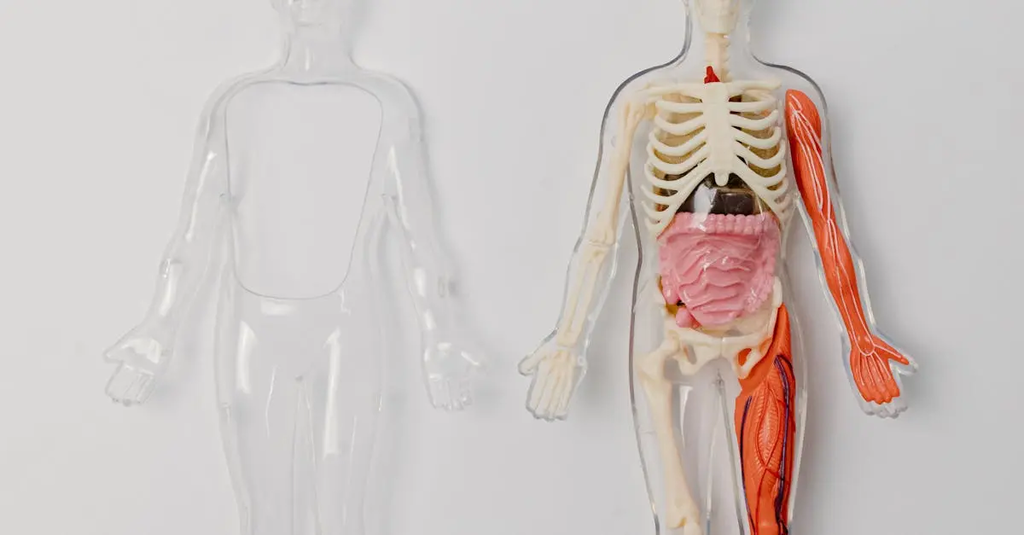
💡 Key Takeaways
- Identify the key organs (heart, lungs, liver, kidneys, brain) and state their primary roles: heart pumps blood, lungs exchange gases, liver detoxifies/metabolizes, kidneys filter wastes and balance fluids, brain processes information and controls actions.
- Describe how major organ systems—circulatory, respiratory, digestive/excretory, and nervous—work together to sustain life.
- Explain how the structure of these organs supports their function with simple examples (e.g., heart chambers, lungs air sacs, liver detox duties, kidneys filtering units, brain networks).
- Recognize simple lifestyle choices that protect organ health (healthy diet, hydration, regular exercise, avoiding smoking, adequate sleep) and why they matter.
❓ Frequently Asked Questions
What is the main function of the heart?
To pump blood, circulating oxygen and nutrients to the body and removing wastes.
What is the role of the lungs in respiration?
To exchange oxygen from the air with carbon dioxide from the blood.
What does the liver do for the body?
Processes nutrients, detoxifies harmful substances, and produces bile for digestion.
What are the kidneys primarily responsible for?
Filtering blood to remove wastes, balancing fluids and electrolytes, and forming urine.
What is the brain responsible for?
Processing information, enabling thought and memory, and coordinating body actions.