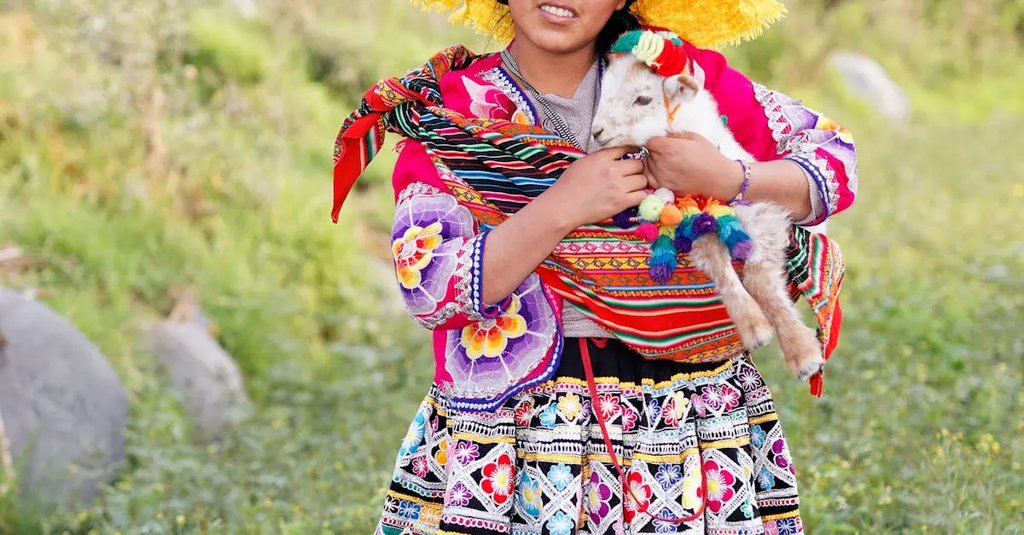
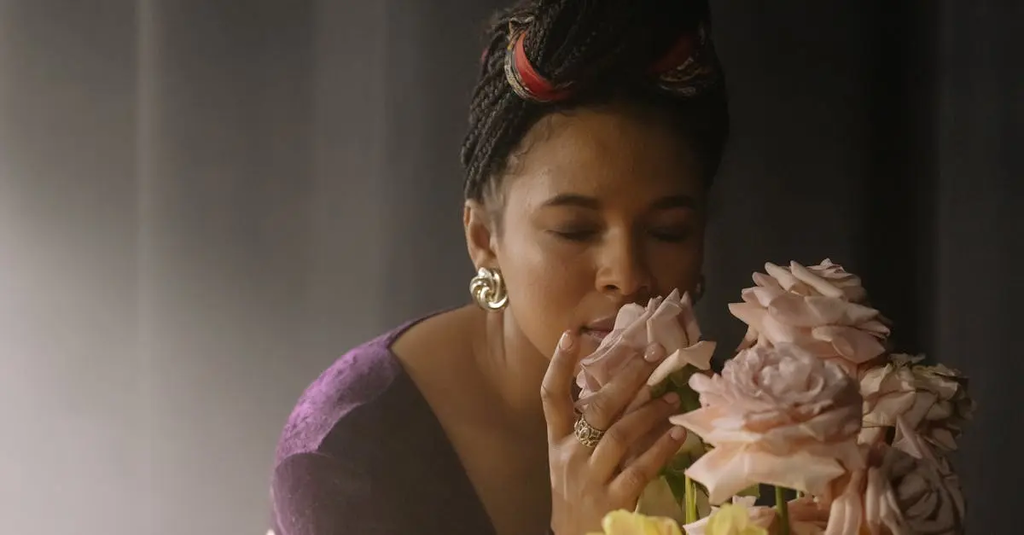
Body politics and dress refers to the ways clothing choices are influenced by societal norms, power structures, and cultural expectations regarding bodies. It explores how dress can express identity, challenge stereotypes, or reinforce social hierarchies. Through fashion, individuals may assert autonomy or resist marginalization, while society often uses dress codes to regulate bodies based on gender, race, class, or sexuality, making clothing a site of both conformity and resistance.
Body Politics and Dress
Body politics and dress refers to the ways clothing choices are influenced by societal norms, power structures, and cultural expectations regarding bodies. It explores how dress can express identity, challenge stereotypes, or reinforce social hierarchies. Through fashion, individuals may assert autonomy or resist marginalization, while society often uses dress codes to regulate bodies based on gender, race, class, or sexuality, making clothing a site of both conformity and resistance.
💡 Key Takeaways
- Understand how clothing choices reflect identity and body norms within different cultures and eras.
- Explore how fashion can challenge stereotypes and express personal autonomy.
- Identify how dress signals power, status, and inclusion or exclusion in society.
- Analyze dress as political or cultural commentary and its impact on representation.
❓ Frequently Asked Questions
What is body politics in fashion?
Body politics in fashion examines how clothing is tied to power, norms, and control over bodies—who gets to wear what, how dress codes regulate people, and how attire can express or resist identity.
How can dress express identity and individuality?
Dress expresses identity through choices in color, style, fit, and accessories, signaling gender, culture, sexuality, or personal style.
How can fashion reinforce or challenge social hierarchies?
Clothing can reinforce hierarchies by upholding stereotypes (e.g., power suits or traditional feminine garments) or challenge them by subverting norms with gender-neutral styles and diverse representations.
Why do fashion and body politics change across decades?
Decade shifts reflect broader social forces—politics, activism, media, and economy—shaping what is considered appropriate or fashionable.
How can clothing be used to assert autonomy and resist stereotypes?
Clothing can be used to assert autonomy by choosing outfits that resist expectations and allow individuals to define how they present themselves.