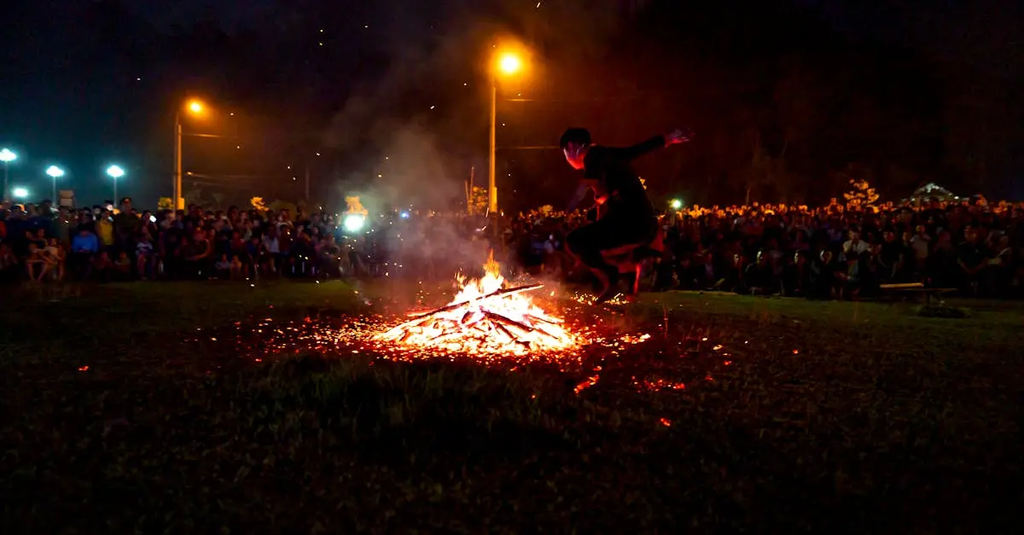
Bonfire Night, celebrated on November 5th in the UK, commemorates the failed Gunpowder Plot of 1605, when Guy Fawkes and his group attempted to blow up the Houses of Parliament. The event is marked by fireworks, bonfires, and burning effigies of Guy Fawkes. The tradition reflects historical relief at the plot’s failure and has evolved into a festive night symbolizing the triumph of government over treason.
Bonfire Night & Guy Fawkes Lore
Bonfire Night, celebrated on November 5th in the UK, commemorates the failed Gunpowder Plot of 1605, when Guy Fawkes and his group attempted to blow up the Houses of Parliament. The event is marked by fireworks, bonfires, and burning effigies of Guy Fawkes. The tradition reflects historical relief at the plot’s failure and has evolved into a festive night symbolizing the triumph of government over treason.
💡 Key Takeaways
- Learn the historical reason for Bonfire Night and the Gunpowder Plot of 1605.
- Identify common traditions such as fireworks, bonfires, and burning effigies of Guy Fawkes.
- Understand how the celebration has evolved over time and what it reveals about British memory and identity.
- Recognize the difference between historical events and modern festival practices, including fireworks safety considerations.
❓ Frequently Asked Questions
What is Bonfire Night (Guy Fawkes Night) and when is it celebrated?
A British observance on November 5 that marks the foiling of the Gunpowder Plot; it's typically celebrated with bonfires and fireworks.
What historical event does Bonfire Night commemorate?
The failed Gunpowder Plot of 1605 to blow up the Houses of Parliament and kill King James I.
Who was Guy Fawkes and what did he do?
Guy Fawkes was a conspirator who guarded 36 barrels of gunpowder beneath the Houses of Parliament; he was captured before the plot could succeed.
Why are effigies of Guy Fawkes burned on Bonfire Night?
To symbolize the foiling of the plot and celebrate the safety of the king and Parliament; the effigy is known as a 'Guy' and is burned on the bonfire.
Is Bonfire Night celebrated outside the United Kingdom?
It is primarily a UK tradition, though some communities abroad mark it in connection with British culture.