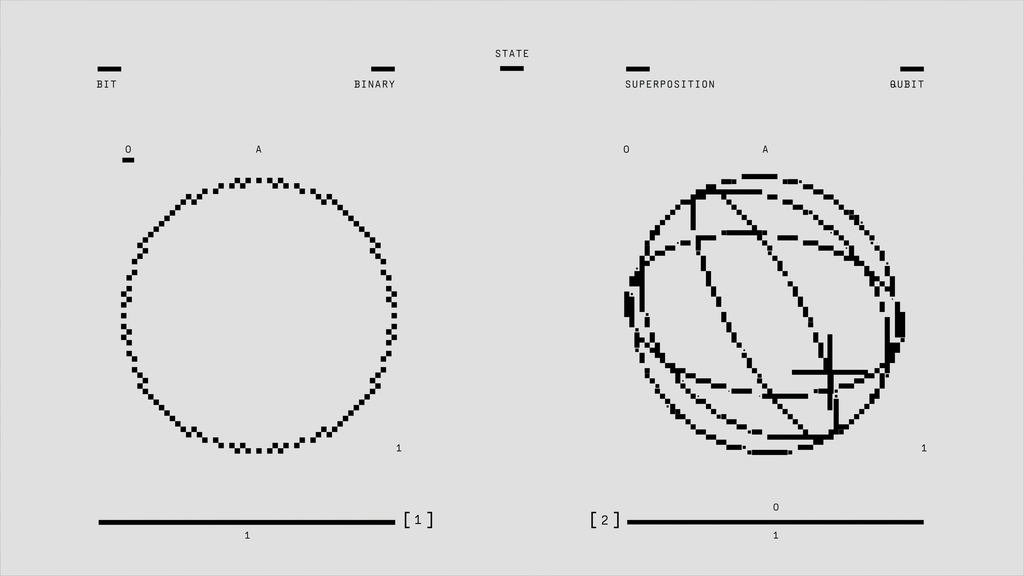
Boolean variables are binary variables that can take only two possible values: 0 (false) or 1 (true). In digital electronics and computing, they are fundamental for representing logical states and operations. Basic Boolean identities, such as the commutative, associative, distributive, identity, null, and complement laws, provide rules for simplifying and manipulating Boolean expressions. These principles are essential for designing and optimizing digital circuits and logical functions.
Boolean Variables & Basic Identities
Boolean variables are binary variables that can take only two possible values: 0 (false) or 1 (true). In digital electronics and computing, they are fundamental for representing logical states and operations. Basic Boolean identities, such as the commutative, associative, distributive, identity, null, and complement laws, provide rules for simplifying and manipulating Boolean expressions. These principles are essential for designing and optimizing digital circuits and logical functions.

💡 Key Takeaways
- Understand boolean variables as true/false values and how they appear in logic and code.
- Apply basic identities like X AND True = X, X OR False = X, and NOT NOT X = X.
- Read and build simple truth tables to evaluate logical expressions.
- Use De Morgan's laws and other common identities (e.g., X OR NOT X = True, X AND NOT X = False) to simplify problems.
❓ Frequently Asked Questions
What is a Boolean variable?
A variable that can take only two values: true (1) or false (0), used in logic and digital systems.
What is a Boolean identity?
An equation that is always true for any input, used to simplify expressions (e.g., A AND 1 = A, A OR 0 = A, NOT(NOT A) = A).
What does the double negation law state?
Negating twice returns the original value: NOT(NOT A) = A.
What does De Morgan's theorem state?
NOT(A AND B) = NOT A OR NOT B and NOT(A OR B) = NOT A AND NOT B.
What is the distributive law for AND over OR?
A AND (B OR C) = (A AND B) OR (A AND C).