Mother’s Day flowers, such as roses, carnations, and lilies, are chosen for their vibrant colors, pleasant fragrances, and symbolic meanings. Botanically, these flowers represent various plant families and exhibit diverse structures, from the layered petals of roses to the trumpet-shaped blooms of lilies. Their longevity as cut flowers, ease of cultivation, and seasonal availability in spring make them popular choices for celebrating and honoring mothers on this special day.
Botanical Aspects of Mother's Day Flowers
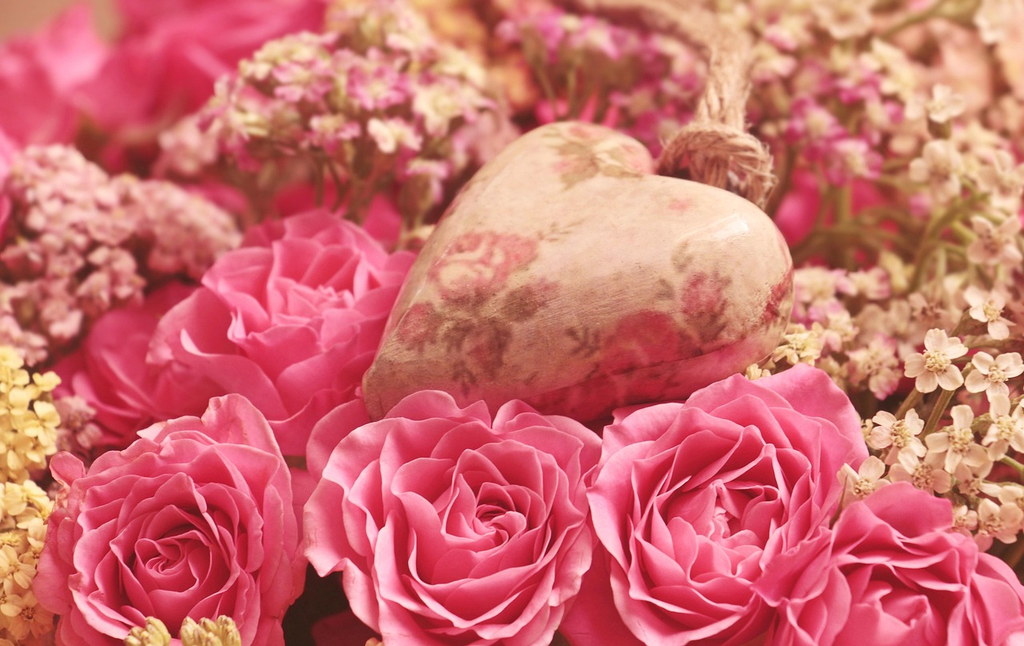
Mother’s Day flowers, such as roses, carnations, and lilies, are chosen for their vibrant colors, pleasant fragrances, and symbolic meanings. Botanically, these flowers represent various plant families and exhibit diverse structures, from the layered petals of roses to the trumpet-shaped blooms of lilies. Their longevity as cut flowers, ease of cultivation, and seasonal availability in spring make them popular choices for celebrating and honoring mothers on this special day.
💡 Key Takeaways
- Identify the botanical features and growth habits of popular Mother's Day flowers (rose, carnation, lily, tulip), including key flower parts and leaf arrangement.
- Explain how flower structure (stamens, pistil, petals) and fragrance relate to pollination and reproductive biology in these species.
- Distinguish between cut flowers and flowering plants in terms of morphology, care, and vase life from a botanical perspective.
- Explore native origins and typical growing conditions (soil type, light, moisture) that influence the botany and seasonal availability of Mother's Day blossoms.
❓ Frequently Asked Questions
What are the main parts of a flower and what do they do?
The stamen is the male part that makes pollen; the pistil is the female part that receives pollen and contains the ovary. Petals attract pollinators, and sepals protect the bud.
Which part develops into seeds after fertilization?
The ovary inside the pistil develops into seeds (and often the fruit).
Why do Mother's Day flowers often have bright colors and fragrance?
Bright colors and scents attract pollinators like bees and butterflies, aiding the plant's reproduction.
How can you help cut Mother's Day flowers stay fresh longer?
Recut stems at an angle, place in clean water in a clean vase, remove leaves below the waterline, and keep the arrangement cool and away from heat and ripening fruit; change the water daily.