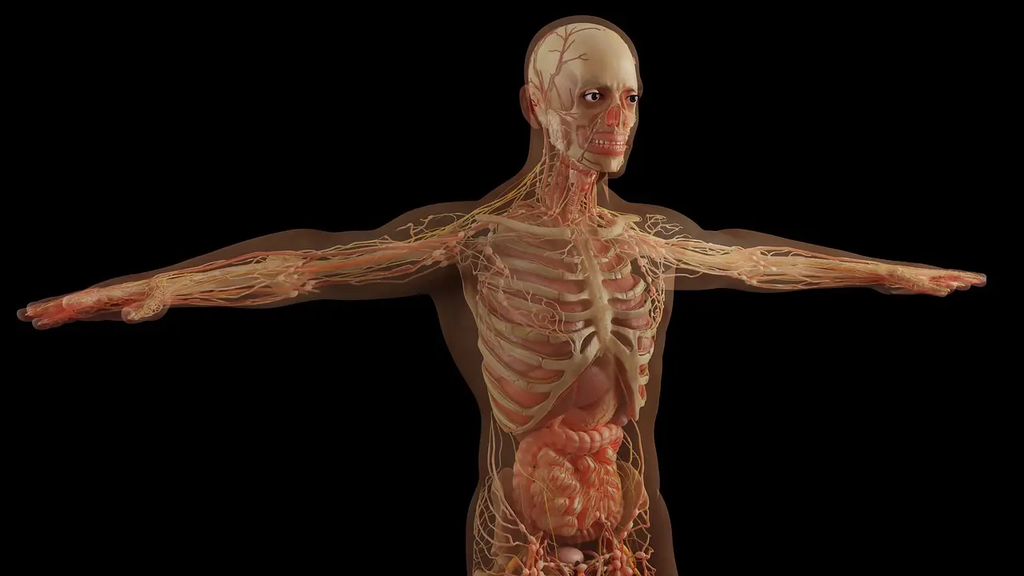
The brain is the control center of the human body, responsible for processing information, regulating bodily functions, and enabling thought, emotion, and behavior. It is composed of different regions, each with specialized roles, such as the cerebrum for higher thinking, the cerebellum for coordination, and the brainstem for vital functions. Neurons within the brain communicate through electrical and chemical signals, ensuring efficient functioning of both mind and body.
Brain Structure and Function
The brain is the control center of the human body, responsible for processing information, regulating bodily functions, and enabling thought, emotion, and behavior. It is composed of different regions, each with specialized roles, such as the cerebrum for higher thinking, the cerebellum for coordination, and the brainstem for vital functions. Neurons within the brain communicate through electrical and chemical signals, ensuring efficient functioning of both mind and body.
💡 Key Takeaways
- Identify major brain structures (cerebrum, cerebellum, brainstem, limbic system) and their key roles in movement, emotion, and vital functions.
- Explain how neurons communicate through synapses and neurotransmitters to transmit signals.
- Describe the four cerebral lobes (frontal, parietal, temporal, occipital) and their main cognitive and sensory functions.
- Understand that gray matter and white matter organize brain processing and that plasticity supports learning and adaptation.
❓ Frequently Asked Questions
What are the major regions of the brain and their primary functions?
Frontal lobe: planning, decision-making, and voluntary movement; Parietal lobe: processing sensory information; Temporal lobe: hearing, language, and memory; Occipital lobe: vision. Cerebellum: balance and coordination. Brainstem: basic life-support functions (breathing, heart rate). Limbic system (e.g., hippocampus, amygdala): emotions and memory.
What is the difference between gray matter and white matter?
Gray matter contains neuron cell bodies where processing occurs; white matter consists of myelinated axons that connect different brain areas and transmit signals.
How do neurons communicate?
Neurons send electrical impulses (action potentials) along their axons and release neurotransmitters at synapses, which bind to receptors on the next neuron to propagate the signal.
What is the limbic system and why is it important?
The limbic system includes structures like the hippocampus and amygdala. It supports memory formation, emotion processing, motivation, and aspects of behavior.