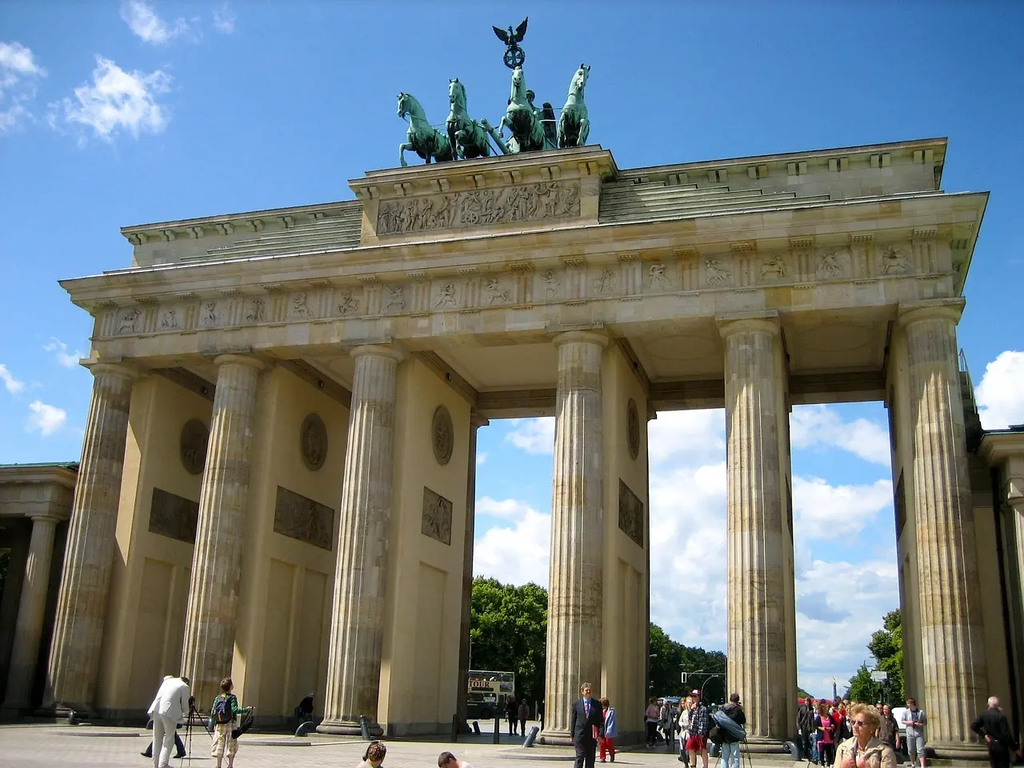
The Brandenburg Gate is an iconic neoclassical monument located in Berlin, Germany. Built in the late 18th century, it once marked the entrance to the city and has witnessed significant historical events, including the division and reunification of Germany. Featuring twelve Doric columns and a striking quadriga statue atop, the gate symbolizes peace and unity. Today, it stands as a powerful emblem of Berlin and German history, attracting millions of visitors annually.
Brandenburg Gate
The Brandenburg Gate is an iconic neoclassical monument located in Berlin, Germany. Built in the late 18th century, it once marked the entrance to the city and has witnessed significant historical events, including the division and reunification of Germany. Featuring twelve Doric columns and a striking quadriga statue atop, the gate symbolizes peace and unity. Today, it stands as a powerful emblem of Berlin and German history, attracting millions of visitors annually.
💡 Key Takeaways
- Identify the Brandenburg Gate's location in Berlin and its function as a late-18th-century neoclassical monument
- Describe the gate's key features, including the eight Doric columns and the Quadriga statue atop
- Explain the gate's historical role in major moments (Napoleon's occupation, the Cold War, and German reunification)
- Appreciate its symbolism as an enduring emblem of peace, unity, and Berlin's resilience
❓ Frequently Asked Questions
What is the Brandenburg Gate?
A neoclassical gate in Berlin, completed in 1791, and one of Germany’s most famous landmarks.
Where is Brandenburg Gate located?
At Pariser Platz in Berlin’s Mitte district, near the Reichstag and the Tiergarten.
What does the statue on top represent?
The Quadriga—a chariot drawn by four horses driven by the goddess Victoria, symbolizing victory.
When was it built and what does it symbolize today?
Built 1788–1791; today it symbolizes unity, freedom, and Germany’s reunification.