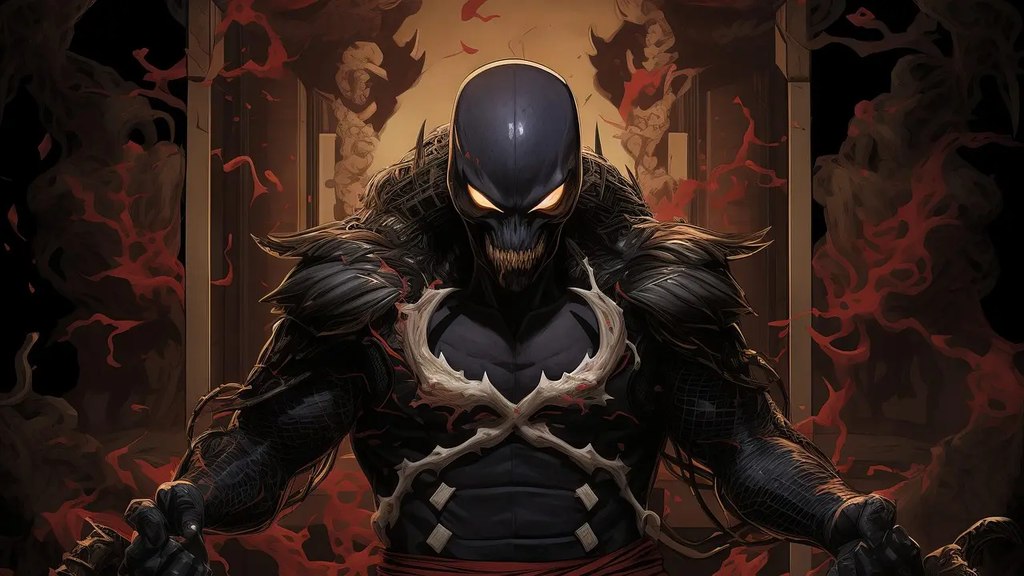
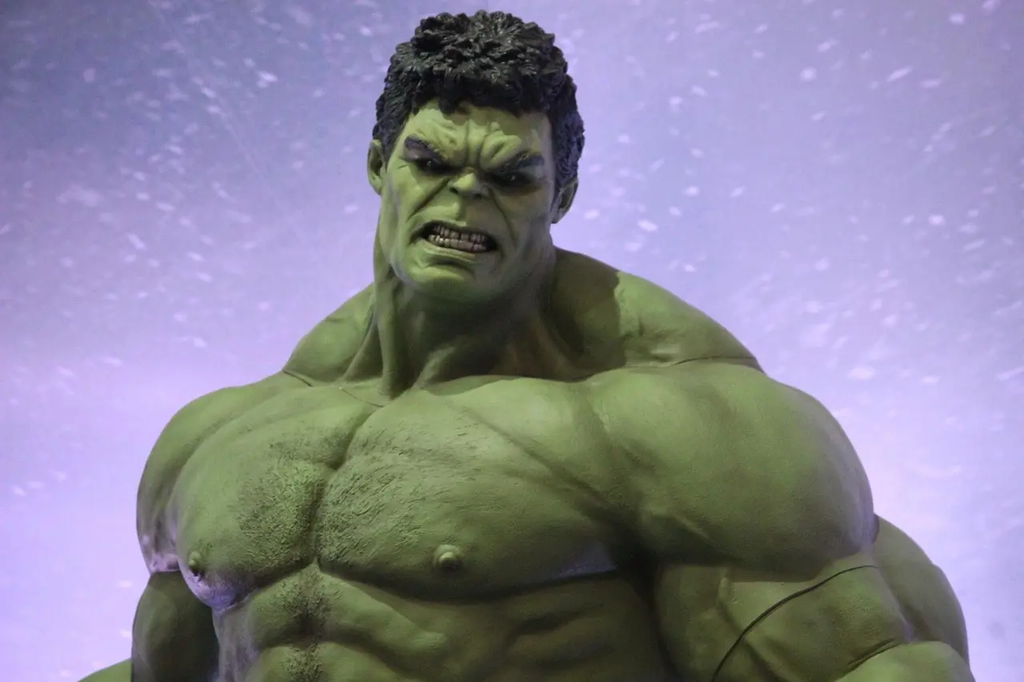
The Bronze Age of Superheroes, spanning from the early 1970s to the mid-1980s, marked a significant shift in comic books. Superhero stories became more socially relevant, addressing issues like drug abuse, racism, and political corruption. Characters gained greater depth and complexity, and moral ambiguity became more common. While still maintaining fantastical elements, this era bridged the gap between the idealism of the Silver Age and the darker tone of the Modern Age, redefining the superhero genre.
Bronze Age of Superheroes
The Bronze Age of Superheroes, spanning from the early 1970s to the mid-1980s, marked a significant shift in comic books. Superhero stories became more socially relevant, addressing issues like drug abuse, racism, and political corruption. Characters gained greater depth and complexity, and moral ambiguity became more common. While still maintaining fantastical elements, this era bridged the gap between the idealism of the Silver Age and the darker tone of the Modern Age, redefining the superhero genre.
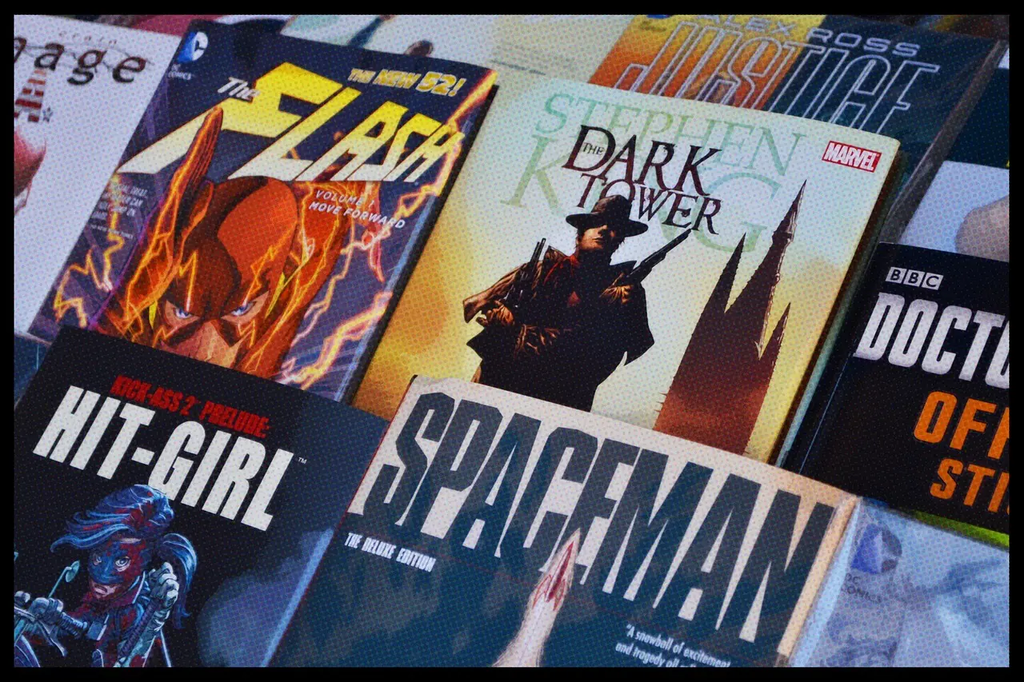
💡 Key Takeaways
- Define the Bronze Age of superheroes and what distinguishes it from earlier eras.
- Describe how darker tones, moral complexity, and social issues shaped Bronze Age stories.
- Identify influential creators and landmark storylines that defined the era.
- Explain shifts in art style and serialization that characterized Bronze Age comics.
❓ Frequently Asked Questions
What is the Bronze Age of superheroes?
A roughly 1970s–mid-1980s era in American superhero comics known for more mature storytelling, realism, and social issues.
How does the Bronze Age differ from the Silver Age?
The Bronze Age adds character psychology and darker, more complex themes, while the Silver Age tended to be lighter, optimistic, and science‑fantasy oriented.
What themes are common in Bronze Age stories?
Social issues (racism, pollution, drugs), moral ambiguity, power consequences, anti-heroes, and political commentary.
Who are some notable creators of Bronze Age superhero comics?
Dennis O’Neil, Neal Adams, Steve Englehart, Marv Wolfman, George Pérez, and other prominent writers and artists of the era.