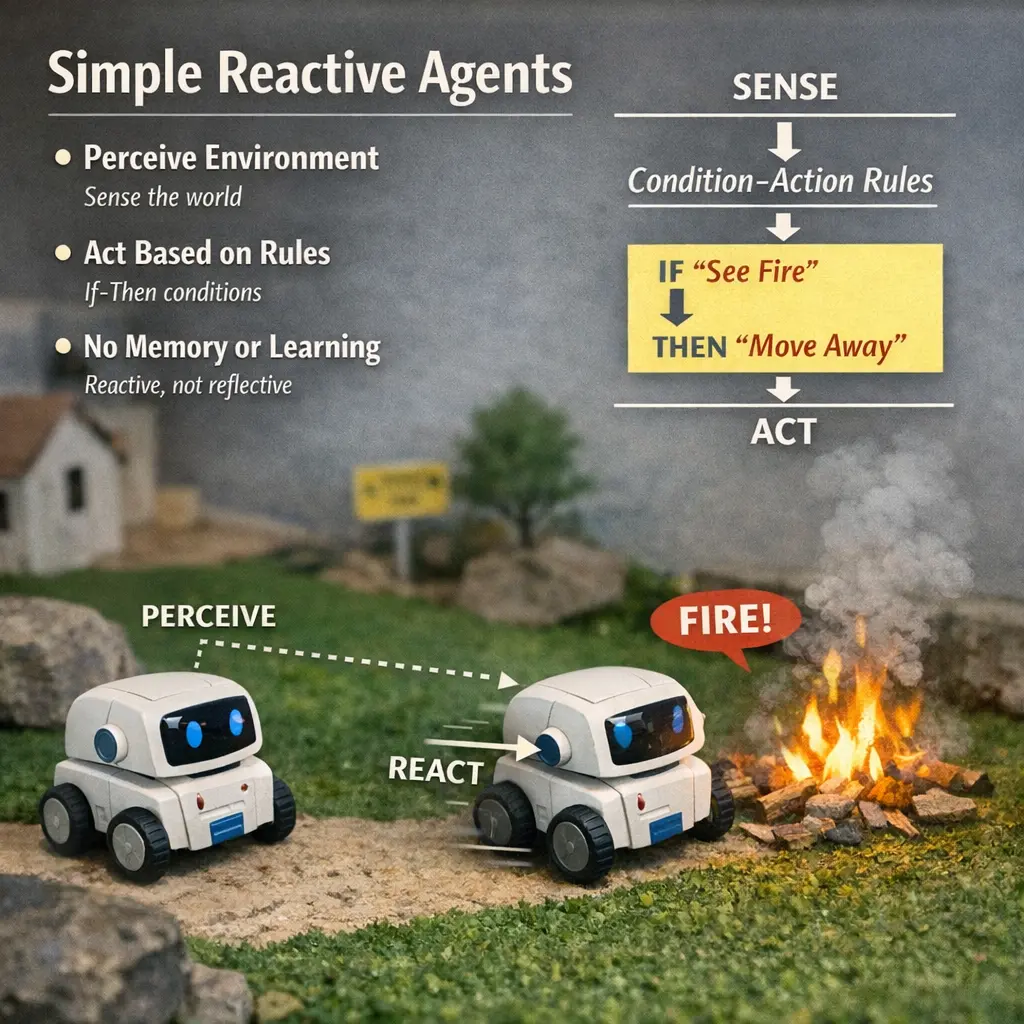
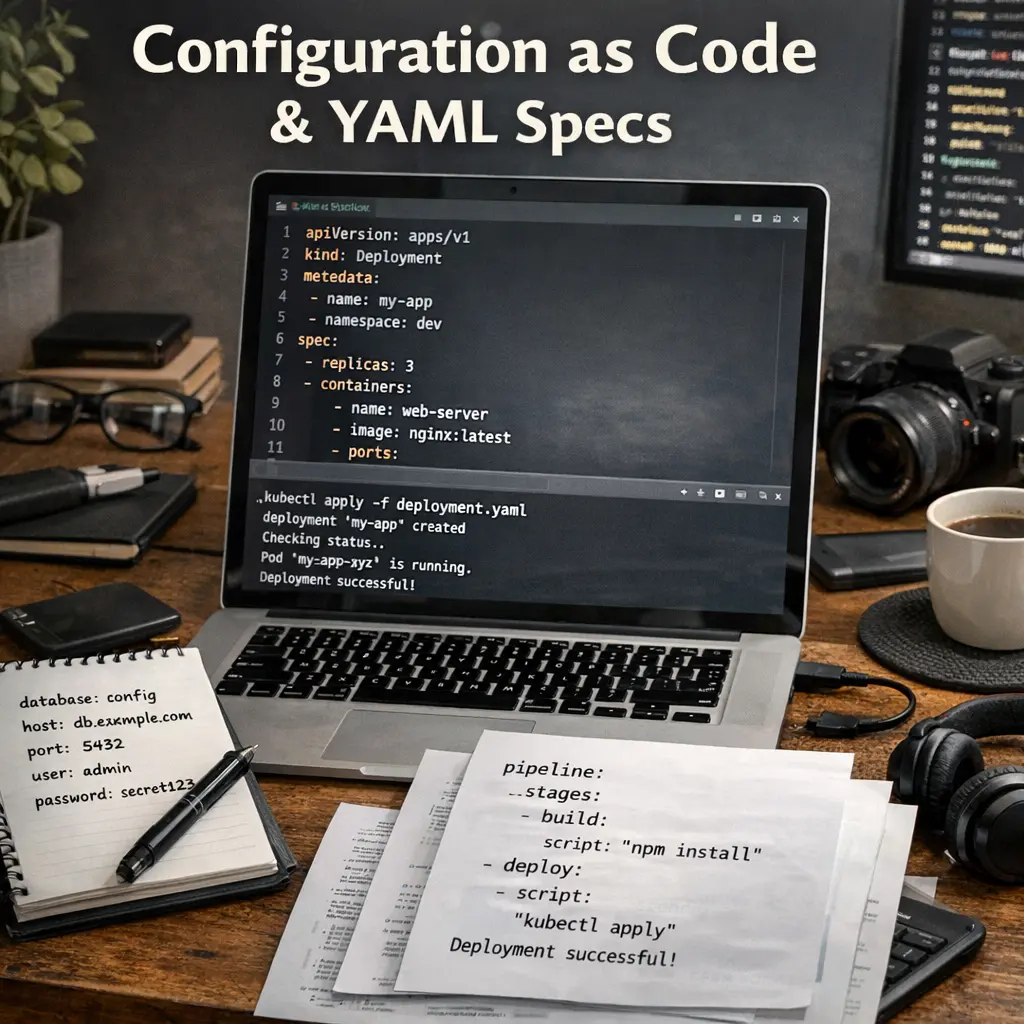
Browser, Search & Web Automation Tools (Agent Architecture) refers to software systems designed to interact with web browsers, perform automated searches, and execute tasks online. These tools use agent-based architecture, where autonomous agents handle actions like navigating websites, extracting data, and filling forms. The architecture enables efficient, scalable automation by delegating specific tasks to specialized agents, enhancing productivity in activities such as web scraping, testing, and data aggregation without direct human intervention.
Browser, Search & Web Automation Tools
Browser, Search & Web Automation Tools (Agent Architecture) refers to software systems designed to interact with web browsers, perform automated searches, and execute tasks online. These tools use agent-based architecture, where autonomous agents handle actions like navigating websites, extracting data, and filling forms. The architecture enables efficient, scalable automation by delegating specific tasks to specialized agents, enhancing productivity in activities such as web scraping, testing, and data aggregation without direct human intervention.
💡 Key Takeaways
- Identify essential browser automation tools and their primary use cases.
- Implement automation tasks such as page navigation, form filling, and data extraction.
- Master web search strategies and filters to locate information efficiently.
- Apply best practices for reliable automation, including dynamic content handling, error recovery, and ethical considerations.
❓ Frequently Asked Questions
What are browser automation tools and what are they used for?
They programmatically control web browsers to perform tasks such as testing, form filling, navigation, and data collection, saving time and reducing manual work.
What is a headless browser and why is it useful?
A headless browser runs without a visible UI, making automated tests and data scraping faster and more resource-efficient, especially in CI environments.
How do web automation and web scraping differ?
Web automation interacts with pages (clicks, inputs, navigation) to automate tasks, while web scraping extracts data from pages for analysis.
What is the difference between in-page search and web search?
In-page search (Ctrl+F) finds text on the current page; web search uses a search engine to locate pages across the internet.
Which tools are commonly used for browser automation?
Popular options include Selenium, Playwright, Puppeteer, and Cypress, which control browsers programmatically and support headless mode and cross-browser testing.