Brutalist megacities and arcologies evoke visions of massive urban environments dominated by stark, geometric architecture made from raw concrete and steel. These cities are densely populated, with imposing structures designed for efficiency and functionality. Arcologies—self-contained habitats combining architecture and ecology—rise as towering complexes, housing thousands within integrated, sustainable systems. The overall atmosphere is one of futuristic ambition, blending social engineering with monumental, utilitarian design to address urban sprawl and resource scarcity.
Brutalist Megacities & Arcologies
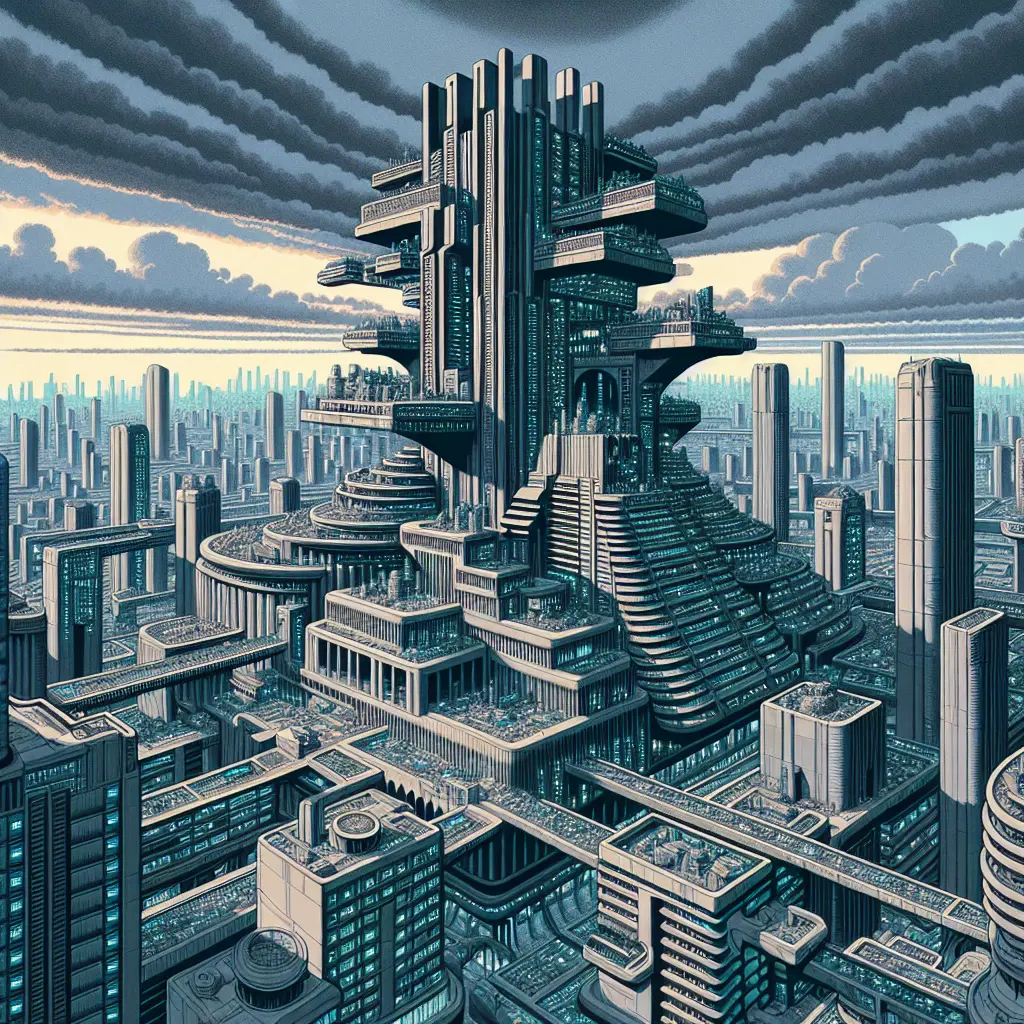
Brutalist megacities and arcologies evoke visions of massive urban environments dominated by stark, geometric architecture made from raw concrete and steel. These cities are densely populated, with imposing structures designed for efficiency and functionality. Arcologies—self-contained habitats combining architecture and ecology—rise as towering complexes, housing thousands within integrated, sustainable systems. The overall atmosphere is one of futuristic ambition, blending social engineering with monumental, utilitarian design to address urban sprawl and resource scarcity.
💡 Key Takeaways
- Distinguish brutalist megacities from arcologies and explain how raw concrete and steel shape their form and function.
- Define arcologies as self-contained habitats that blend housing, work, and resources into a single, integrated system.
- Explore how density, modular design, and vertical massing influence efficiency, mobility, and social dynamics.
- Identify sci-fi examples of these visions and discuss potential real-world implications for sustainability and resilience.
❓ Frequently Asked Questions
What is Brutalist architecture?
A mid-20th‑century style that uses raw concrete and heavy, geometric forms to emphasize function and mass, often with stark, exposed surfaces.
What defines a megacity?
An extremely large urban area with millions of people and complex infrastructure, characterized by high density and demanding services.
What is an arcology?
A self-contained habitat that combines living, working, and recreation within a single mega-structure to maximize space efficiency and reduce travel.
What design features are common in brutalist megacities and arcologies in sci‑fi?
Stark geometric forms, concrete/steel construction, extreme verticality, dense populations, modular infrastructure, and highly efficient, utilitarian layouts.