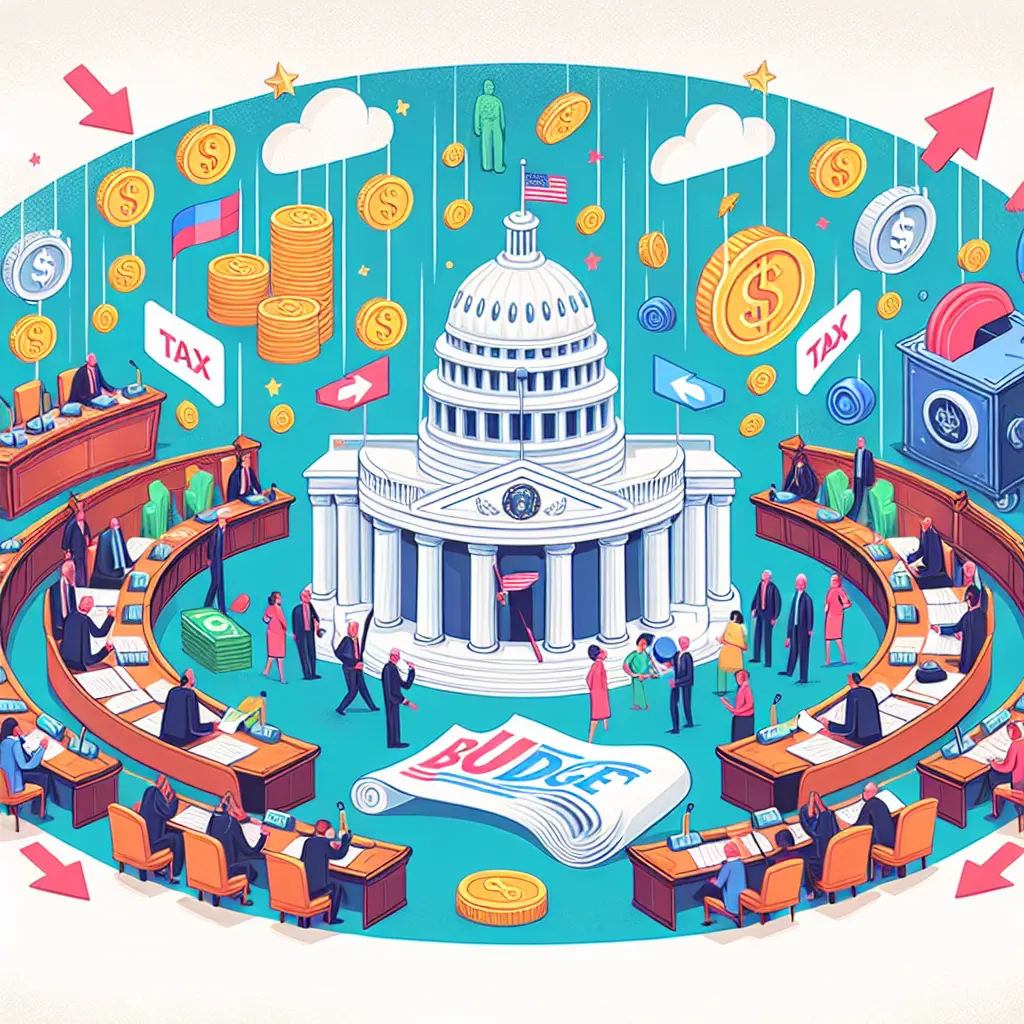
Budgeting in government refers to the systematic process by which public authorities plan, allocate, and manage financial resources to meet policy objectives and deliver public services. It involves forecasting revenues, prioritizing expenditures, and ensuring accountability and transparency. The process requires balancing limited resources against competing needs, adhering to legal and regulatory frameworks, and often includes stakeholder input. Effective government budgeting promotes fiscal responsibility, efficient public service delivery, and supports long-term economic stability.
Budgeting in Government
Budgeting in government refers to the systematic process by which public authorities plan, allocate, and manage financial resources to meet policy objectives and deliver public services. It involves forecasting revenues, prioritizing expenditures, and ensuring accountability and transparency. The process requires balancing limited resources against competing needs, adhering to legal and regulatory frameworks, and often includes stakeholder input. Effective government budgeting promotes fiscal responsibility, efficient public service delivery, and supports long-term economic stability.

💡 Key Takeaways
- Understand the government budgeting cycle: planning, revenue forecasting, resource allocation, and monitoring outcomes.
- Learn how governments forecast revenues and prioritize expenditures to achieve policy objectives and deliver public services.
- Recognize accountability and transparency mechanisms in budgeting, including audits, reporting, and legislative oversight.
- Compare budgeting approaches (incremental, zero-based, and performance-based) and how they affect efficiency and service delivery.
❓ Frequently Asked Questions
What is budgeting in government?
Budgeting in government is the systematic process by which public authorities forecast revenues, set spending priorities, allocate resources, and monitor how funds are used to achieve policy goals and deliver public services, with emphasis on transparency and accountability.
What are the main stages of the government budgeting process?
Key stages include revenue forecasting, budget preparation by the executive, approval by the legislature, budget execution, and reporting with auditing and oversight.
What is zero-based budgeting and how does it differ from incremental budgeting?
Zero-based budgeting starts from zero each period and requires justification for all expenses; incremental budgeting adjusts the prior year’s budget by small increments. ZBB emphasizes reallocating resources to higher-priority programs.
Why is transparency important in government budgeting?
Transparency makes revenues and allocations open to public scrutiny, supporting accountability, informed citizen engagement, and assurance that funds support policy objectives.
What is performance-based budgeting?
Performance-based budgeting ties funding to measurable results and program outcomes, using metrics to assess efficiency and guide resource allocation.